Nothing disrupts a carefully planned schedule like a crown that doesn’t fit. Chairside adjustments and remakes are not just frustrating; they cost your practice valuable time and money. The key to a more efficient workflow lies in partnering with a lab that prioritizes precision and consistency. Modern labs that embrace digital technology, from intraoral scanning to CAD/CAM milling, can produce restorations with unparalleled accuracy. This guide will explore how choosing the right dental lab for ceramic crowns can streamline your processes, minimize adjustments, and help you maintain a smooth, productive schedule that benefits both your team and your patients.
Key Takeaways
- View your lab as a true partner: The quality of a lab’s work directly reflects on your practice, so choose a partner who shares your commitment to excellence and provides consistent, high-quality restorations that minimize chair time.
- Prioritize technology and materials: A lab that invests in digital workflows and uses FDA-approved materials offers superior precision and reliability, which leads to better-fitting crowns, fewer adjustments, and more predictable patient outcomes.
- Ask detailed questions before you commit: Vet potential labs by inquiring about their technician certifications, quality control systems, and warranties. Understanding their processes and turnaround times helps ensure a smooth and dependable partnership.
Why Choose Ceramic Crowns?
When a patient needs to restore a damaged tooth, ceramic crowns are often the ideal solution. These custom-made caps are designed to cover and protect the entire visible portion of a tooth, restoring its original shape, size, and function. For your practice, offering high-quality ceramic crowns means providing patients with a restoration that not only strengthens a compromised tooth but also revitalizes their smile. The goal is always a happy patient who feels confident in their appearance and the durability of their dental work.
Choosing the right material and lab partner is key to achieving these results consistently. Modern ceramics offer an incredible blend of strength and aesthetics, making them a versatile choice for a wide range of clinical situations. From single anterior crowns where appearance is paramount to posterior crowns that require robust durability, there is a ceramic option to meet the need. By understanding the materials and their benefits, you can make the best recommendation for your patients and ensure the final restoration meets everyone’s expectations.
A Look at Ceramic Crown Materials
The term “ceramic” covers a range of advanced materials, each with unique properties. Many modern all-ceramic crowns and bridges are engineered for optimal performance. For instance, some of the most popular options feature a strong zirconia base for durability, which is then layered with porcelain. This combination is a game-changer because the porcelain overlay enhances the translucency and allows for precise color matching. The result is a restoration that is virtually indistinguishable from a natural tooth, giving you the strength needed for long-term success without sacrificing the lifelike aesthetics your patients want.
The Benefits of Ceramic Crowns
The advantages of ceramic crowns extend far beyond their appearance. First and foremost, they protect weak or damaged teeth from further harm, providing a durable shield against biting forces. This longevity gives patients peace of mind. A significant benefit is their biocompatibility, which means they are well-tolerated by the surrounding gum tissue, reducing the risk of irritation. Ultimately, these restorations are designed to restore a natural look that matches your patient’s other teeth. When you partner with a lab that uses high-quality materials, you can deliver reliable and beautiful crown and bridge solutions that lead to greater patient satisfaction.
How to Choose the Right Dental Lab
Selecting a dental lab is one of the most important decisions you’ll make for your practice. This partnership directly influences the quality of care your patients receive, the efficiency of your workflow, and your practice’s reputation. The right lab acts as an extension of your team, consistently delivering restorations that meet your standards and fit perfectly, minimizing chair time and adjustments. When you find a lab you can trust, you can focus more on your patients and less on case management.
So, what should you look for in a lab partner? It comes down to a few key areas. You need a lab that combines artistry with precision, embraces modern technology, respects your schedule, and communicates clearly. It’s also critical to work with a lab that is transparent about its materials and credentials. Let’s walk through the essential factors to consider to ensure you find a reliable partner that helps your practice succeed.
Quality and Craftsmanship
The foundation of any great dental lab is its commitment to quality and craftsmanship. Every restoration, from a single crown to a full-arch implant case, should reflect meticulous attention to detail. When evaluating a lab, look for consistency in their work. Do the margins seal perfectly? Are the aesthetics natural and lifelike? A lab that prioritizes high-quality outcomes understands that their work directly impacts your patient’s health and confidence. Don’t hesitate to ask for case photos or even a sample product. A lab that is proud of its work will be happy to show you the level of artistry their technicians bring to every crown and bridge case.
Digital Technology
A lab’s investment in digital technology is a strong indicator of its commitment to precision and efficiency. Labs that have integrated digital workflows, including CAD/CAM systems, can produce restorations with an incredible degree of accuracy. This technology minimizes the potential for human error, resulting in better-fitting crowns, bridges, and implants. For your practice, this means fewer adjustments and less chair time per appointment. When you can connect your scanner directly to the lab, you streamline the entire process from impression to delivery. A digitally-savvy lab isn’t just keeping up with trends; it’s actively working to provide you with superior products and a smoother workflow.
Turnaround Time
Consistent and predictable turnaround times are essential for managing your schedule and keeping your patients happy. A delayed case can disrupt your entire workflow and force frustrating rescheduling conversations. When vetting a potential lab, ask about their average turnaround time for the restorations you use most often. A well-organized lab with sufficient staffing can handle a steady volume of cases without falling behind. They should be able to provide a clear schedule and stick to it. Reliable turnaround times show that a lab respects your time and understands the operational needs of a busy dental practice, helping you maintain a seamless patient experience.
Communication and Support
A great dental lab should feel like a true partner, not just a vendor. This requires open, clear, and consistent communication. You need a team that is easy to reach and ready to discuss case details, from treatment planning to material selection. When you have a question or a complex case, can you easily speak with a knowledgeable technician? A responsive lab that offers dedicated support can make all the difference in achieving the best possible outcome for your patients. This collaborative relationship, built on trust and mutual respect, is a hallmark of a top-tier lab that is invested in your practice’s success.
Certifications
Verifying a lab’s credentials is a critical step in protecting your patients and your practice. You should always confirm that a lab uses FDA-approved materials and sources genuine components from reputable manufacturers. Some labs may cut corners by outsourcing work or using non-certified materials to offer a lower initial investment, but this can compromise the quality and safety of the final restoration. Ask potential labs about their certifications and material sourcing policies. A transparent and reputable lab will have no problem providing this information, giving you the confidence that you are delivering safe, durable, and high-quality dental implants and other restorations to your patients.
Types of Ceramic Crowns Available
When selecting a ceramic crown, the material you choose makes all the difference. Each option offers a unique blend of strength and aesthetics. Understanding these materials helps you select the perfect restoration that meets your patient’s clinical needs and cosmetic goals.
All-Ceramic
For patients prioritizing a natural-looking smile, all-ceramic crowns are an excellent choice. These metal-free restorations eliminate the risk of a dark line at the gum. They are crafted to match the shape, size, and color of your patient’s teeth, offering superior translucency that mimics natural enamel. This makes them ideal for anterior restorations where aesthetics are the top concern, giving your patients a smile they can feel confident about.
Zirconia
Zirconia crowns offer an incredible combination of durability and beauty. They feature a tough zirconia base with a porcelain overlay that improves translucency and color matching. This layered construction makes them a popular choice for both strength and aesthetics. Zirconia is strong enough for posterior teeth, while the porcelain exterior ensures a seamless blend with the patient’s natural smile. It’s a versatile material that delivers reliable results.
Lithium Disilicate
When you need a restoration that is both strong and beautiful, lithium disilicate is a fantastic material. New crown materials like this are known for exceptional durability, providing patients with long-lasting solutions. Lithium disilicate can be milled very thinly without compromising integrity, allowing for more conservative tooth preparation. This material offers a great balance of function and aesthetics, making it a leading choice for modern restorations.
Porcelain-Fused-to-Metal (PFM)
As a time-tested solution, PFM crowns remain a dependable option. They get their strength from a metal alloy substructure, which is covered with a layer of porcelain for a tooth-like appearance. This combination makes them a versatile choice, especially for bridges where extra durability is needed. While they don’t offer the same translucency as all-ceramic options, PFMs provide a reliable and functional restoration that has served patients well for decades.
Understanding the Investment in Ceramic Crowns
When you choose a ceramic crown for a patient, you’re making an investment in their long-term oral health and the reputation of your practice. The final amount for a restoration isn’t just about the materials; it reflects the lab’s expertise, the technology used, and the quality of the final product. A well-crafted crown leads to a satisfied patient and fewer follow-up appointments, making it a smart decision for your bottom line. Thinking about the overall value rather than just the initial expense will help you select a lab partner that supports your commitment to excellent patient care.
Factors That Affect Your Investment
Several key factors influence the total investment for a ceramic crown. The specific material you select is a major component. A decision between different ceramic systems should always be based on physical properties like strength, fracture resistance, and esthetics, which vary depending on the patient’s clinical needs. For example, a highly translucent material for an anterior tooth requires different handling and fabrication techniques than a high-strength zirconia crown for a posterior molar. The complexity of the case and the artistic skill required from the dental technician also play a significant role in the final restoration.
Finding the Best Value
Choosing the right dental lab is one of the most important decisions you’ll make, as it directly impacts the quality of care you provide. The best value comes from a lab that acts as a true partner, not just a vendor. Look for a lab that invests in the latest technology. Labs that embrace a fully digital workflow can deliver restorations with superior fit, consistency, and efficiency. This reduces chair time and the need for adjustments, which is a direct benefit to your practice. True value is found in the balance of excellent craftsmanship, reliable service, and a beautiful, long-lasting restoration that keeps your patients happy.
How Material Quality Impacts Your Bottom Line
The quality of the materials used in your crowns has a direct effect on your practice’s financial health. If a lab offers restorations at a surprisingly low amount, it’s fair to question how they’re achieving that. Some labs cut corners by using materials from questionable sources or outsourcing work to overseas facilities without full transparency. Using substandard materials can lead to premature crown failure, costing you valuable chair time for remakes and potentially damaging your professional reputation. Partnering with a lab that is transparent about its material sourcing and fabrication processes ensures you receive high-quality, FDA-approved restorations every time.
Key Qualities of a Top Dental Lab
Choosing a dental lab is one of the most important decisions you’ll make for your practice. The quality of their work directly reflects on you and impacts your patients’ health and satisfaction. A great lab acts as a true partner, someone who understands your standards and helps you deliver exceptional care. But with so many options out there, how do you identify the right one?
It comes down to looking for a few key indicators of excellence. Think of it as a checklist for vetting a potential partner. A top-tier lab will be transparent about its materials, proud of its team’s credentials, committed to formal quality systems, and invested in the latest technology. These aren’t just nice-to-haves; they are the foundational pillars that support consistent, beautiful, and reliable restorations. When a lab excels in these four areas, you can feel confident that you’re not just getting a product, but a partner dedicated to the success of your practice and the well-being of your patients.
FDA-Approved Materials
The foundation of any great restoration is the material it’s made from. For the safety of your patients and the longevity of your work, it’s critical to partner with a lab that uses only FDA-approved materials. This ensures that every crown, bridge, or implant is biocompatible and meets strict quality and safety regulations. Top labs are meticulous about their supply chain and will never cut corners with subpar or unverified materials. When you work with a lab that prioritizes high-quality materials, you can rest assured that every restoration you place is safe, durable, and built to last.
Certified Dental Technicians (CDTs)
Behind every perfectly crafted crown is a skilled artist, and in the dental world, that artist is often a Certified Dental Technician (CDT). This certification is a mark of excellence, demonstrating a technician’s deep knowledge and commitment to their craft. The quality of a lab’s work is a direct result of the expertise of its team. Labs that employ CDTs invest in talent and value the precision and artistry required for complex restorations. When you partner with a lab that has an experienced team, you’re gaining access to professionals who can handle even the most challenging cases with skill and consistency.
Lab Accreditations
Accreditations are an objective measure of a lab’s commitment to quality control. Certifications like ISO 13485 show that a lab adheres to global standards for medical device quality management. This isn’t just about paperwork; it means the lab has rigorous, documented processes for everything from material sourcing to final inspection. These systems are designed to ensure every case is handled with the same high level of care and precision. Working with an accredited lab gives you peace of mind, knowing that they have proven their ability to deliver consistent, safe, and high-quality results time and time again.
Modern Technology and Equipment
The dental industry is constantly evolving, and the best labs are at the forefront of technological innovation. A lab that invests in modern equipment and digital workflows can offer superior precision, better consistency, and faster turnaround times. Digital dentistry, including CAD/CAM technology and intraoral scanning, has transformed how restorations are made. When your lab partner embraces these advancements, it simplifies your workflow and leads to better clinical outcomes. Look for a lab that makes it easy to submit digital cases and is equipped to handle the latest digital impression technology.
How Ceramic Crowns Are Made
Creating a ceramic crown that fits perfectly and looks natural is a blend of clinical skill, advanced technology, and expert craftsmanship. The process begins in your office with an impression and is completed in the lab, where technicians transform that model into a durable, esthetic restoration. Each step is critical for achieving a final product that both you and your patient will love. Understanding how a modern dental lab approaches this process can help you choose the right partner for your practice.
Digital vs. Traditional Impressions
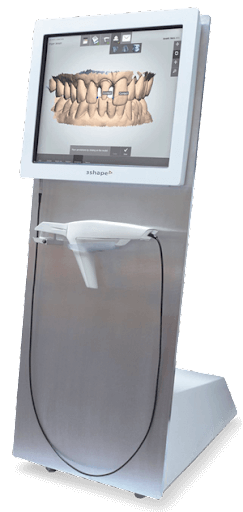
The first step is capturing a detailed impression of the patient’s prepared tooth. Traditionally, this involved physical impression materials, which could be uncomfortable for patients and sometimes resulted in distortions. Today, digital impressions are changing the game. Using an intraoral scanner, you can create a highly accurate 3D model of the patient’s mouth in minutes. This method is more comfortable for the patient and eliminates physical distortion. At Next Dental Lab, we make it easy to connect your scanner and send digital files directly, streamlining the workflow and improving the precision of the final restoration.
The Advantages of CAD/CAM Technology
Once the lab receives your impression, the design process begins. For labs using modern technology, this means CAD/CAM (Computer-Aided Design/Computer-Aided Manufacturing) systems. A skilled technician uses software to design the crown with incredible precision, ensuring ideal contours, occlusion, and fit. After the design is finalized, the CAM system mills the crown from a solid block of high-quality ceramic. This automated process delivers consistent, accurate results, producing beautiful and durable crown and bridge restorations that require minimal adjustments chairside.
Quality Control from Start to Finish
Technology is powerful, but it can’t replace the trained eye of an experienced technician. A top-tier dental lab integrates quality control checkpoints throughout the entire production process. From verifying the initial impression to inspecting the final glazed crown, every step is carefully monitored. Technicians check for marginal integrity, shade accuracy, and proper anatomy to ensure the restoration meets your exact specifications. This commitment to quality control means you receive a product that is well-made and ready for seating with confidence. This meticulous attention to detail is a core part of our lab’s philosophy and ensures predictable outcomes.
Common Myths About Ceramic Crowns
When discussing treatment options with patients, you’ve likely encountered a few common misconceptions about ceramic crowns. Addressing these myths directly can help build patient confidence and set clear expectations for their restorative care. Let’s clear up some of the most prevalent misunderstandings about the strength, quality, and appearance of ceramic crowns. By having these conversations, you can ensure your patients feel fully informed and comfortable with their treatment plan.
Durability and Strength
A frequent myth is that dental crowns are indestructible. While modern ceramic crowns are incredibly tough and can last for many years, they still require care. Just like natural teeth, a crowned tooth is susceptible to decay and gum disease if a patient neglects their oral hygiene. It’s important to remind patients that the crown’s primary job is to protect and strengthen a damaged tooth, not to make it invincible. Proper brushing, flossing, and regular check-ups are essential to maintain the integrity of both the crown and the underlying tooth structure for the long term.
Lab-to-Lab Quality
It’s easy to assume that all dental labs produce crowns of a similar standard, but that’s simply not the case. The quality of care you provide is directly linked to the craftsmanship of your lab partner. Different labs have varying levels of expertise, technology, and material standards. Some may specialize in certain types of restorations, while a full-service lab offers a broader range of solutions. Choosing a lab with a proven track record for consistency, precision, and high-quality materials is a critical decision that impacts the final fit, function, and longevity of every crown you place.
Biocompatibility and Aesthetics
Perhaps the oldest myth is that crowns look fake and obvious. Thanks to advancements in dental materials, this is far from true today. Modern ceramics are specifically designed to mimic the translucency and shade of natural enamel, allowing them to blend seamlessly into a patient’s smile. While crowns certainly enhance the aesthetics of a smile, their main purpose is restorative. Additionally, ceramic materials are highly biocompatible, meaning they are safe for the surrounding tissues and are an excellent option for patients with metal sensitivities. This combination of beauty, strength, and safety makes them a top choice in modern dentistry.
Key Questions to Ask a Potential Lab
Choosing a new lab partner is a significant decision for your practice. To ensure you find a lab that aligns with your standards for quality and service, it’s helpful to have a list of questions ready. Asking the right questions upfront helps you vet potential partners thoroughly, setting the stage for a successful and long-lasting relationship that benefits both your practice and your patients.
Technical Capabilities
When you’re vetting a lab, start by asking about their materials. What ceramic systems do they use, and why? The lab should be able to explain how their material choices balance physical properties like strength and fracture resistance with excellent aesthetics. It’s also fair to ask where their materials are sourced from to ensure they are high-quality and ADA-approved. A transparent lab will be happy to discuss the craftsmanship that goes into their crown and bridge restorations and how they ensure consistent, beautiful results for every case.
Warranties and Guarantees
A lab’s warranty policy speaks volumes about the confidence they have in their work. Ask potential partners what kind of guarantee they offer on their ceramic crowns. A solid warranty provides peace of mind and protects your practice and your patients from unexpected failures. This isn’t just about replacing a restoration; it’s about partnering with a lab that is committed to quality and stands behind every product that leaves its facility. A lab that is truly dedicated to your success will have a clear and fair policy that underscores their commitment to excellence.
Logistics and Turnaround Times
Clear communication about timelines is essential for managing patient expectations and keeping your schedule running smoothly. Ask about the lab’s average turnaround time for ceramic crowns, from the moment they receive the case to when it ships. Find out how they handle shipping and whether they offer a streamlined way to submit and track cases. Labs that embrace digital case solutions often provide a more efficient and predictable workflow. Understanding these logistics helps you plan appointments effectively and ensures a seamless experience for your patients.
Find the Right Lab Partner for Your Practice
Choosing a dental lab is one of the most important decisions you’ll make for your practice. This isn’t just about sourcing restorations; it’s about finding a true partner who shares your commitment to exceptional patient care. The right lab becomes an extension of your team, consistently delivering work that you can place with confidence and pride. Your patients trust you to make the best clinical decisions, and that trust extends to the partners you choose to work with behind the scenes.
When evaluating a potential lab, start with the fundamentals: quality and materials. The final restoration should not only look beautiful but also fit perfectly and stand the test of time. Don’t hesitate to ask about where their products are made and what materials they use. A transparent lab will be open about its sourcing and fabrication processes. Understanding the physical properties of different ceramics is key, and your lab partner should be able to guide you in selecting the ideal material for each patient’s unique clinical needs, ensuring both strength and esthetics.
Beyond the bench, consider how a lab’s workflow will integrate with your own. A lab that has embraced digital dentistry can significantly streamline your processes, from submission to final seating. The ability to connect your scanner and send digital cases not only saves time but also enhances precision, reducing the need for adjustments. Look for a partner that offers a comprehensive range of services, including crown and bridge and implant solutions. Having one reliable source for all your restorative needs simplifies communication and ensures consistency across every case.
Ultimately, the best lab for your practice is one that aligns with your standards and makes your job easier. They should be accessible, communicative, and dedicated to your success. When you find a partner who consistently delivers high-quality work and supports your practice with modern solutions, you build a foundation for long-term growth and excellent patient outcomes.
Related Articles
- 6 Best Dental Labs for PFM & Zirconia Crowns
- What to Look For in a Ceramic Crown Lab
- How to Choose the Right All-Ceramic Crown Lab
Frequently Asked Questions
My practice uses traditional impressions. Can I still work with a lab that emphasizes a digital workflow? Absolutely. While digital impressions offer incredible accuracy and efficiency, a great lab partner is equipped to handle both workflows. They can produce exceptional restorations from high-quality physical impressions just as they do from a digital scan. The best labs will also support you if you decide to transition to a digital system in the future, making the process smooth and straightforward for your entire team.
With so many ceramic options, how do I choose the right one for a specific case? This is where a true lab partnership shines. You shouldn’t have to make that decision alone. A knowledgeable lab team will act as a resource, helping you select the ideal material based on the clinical situation. They can discuss the specific needs of the case, considering factors like the tooth’s location, the required strength, and your patient’s aesthetic goals to recommend the perfect ceramic for a durable and beautiful result.
How can I be sure of the quality and consistency of the restorations I receive? Consistent quality comes from a lab’s commitment to high standards. Look for labs that are transparent about using FDA-approved materials and employ Certified Dental Technicians. These credentials show a dedication to craftsmanship and safety. A top-tier lab will also have a multi-step quality control process, meaning every restoration is inspected for fit, form, and function before it ever leaves their facility.
What kind of support can I expect if I have a question about a complex case? A great lab should feel like an extension of your own team. This means you should have direct access to experienced technicians who can help with treatment planning and answer your questions. Whether you need to discuss material options for a challenging anterior case or coordinate a full-arch restoration, a responsive and collaborative lab partner makes all the difference in achieving the best outcome.
Some labs offer very low amounts for crowns. What am I really getting when I invest more with a high-quality lab? The amount for a restoration reflects the entire process: the quality of the materials, the skill of the technician, and the precision of the technology used. A surprisingly low figure can sometimes indicate compromises in one of these areas, which may lead to more chair time, frustrating adjustments, or even remakes. Investing in a lab that prioritizes quality means you get a restoration that fits perfectly, looks natural, and lasts, which ultimately saves you time and builds patient trust.