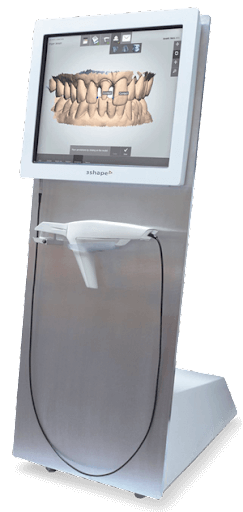
The move to a digital workflow is changing how dental practices operate, offering greater precision and efficiency. This shift also has a direct and positive impact on your lab expenses. If you’re still sending physical impressions, you might be surprised to learn how much you can save by going digital, especially on implant cases. The dental lab price for a screw-retained crown is often lower for digital submissions because it eliminates material costs and streamlines our fabrication process. This guide breaks down the financial advantages of a digital workflow and explains how modern technology helps us deliver superior restorations while keeping your overhead manageable.
Let’s clear up some of the mystery surrounding the cost of implant restorations. While it might seem complex, the dental lab price for a screw-retained crown is actually quite logical when you see how it’s broken down. It’s about more than just the crown; it’s about the custom abutment, the specific implant system components, and the expert technician time required for a perfect result. This guide walks you through each element, comparing how different materials like zirconia and E-max affect the fee and why digital case submission is a smarter financial choice. Think of this as your guide to making informed decisions that balance clinical excellence with smart practice management.
Key Takeaways
- The lab fee reflects your clinical choices: Factors like the material you select, the complexity of the case, and whether you submit a digital or traditional impression all shape the final lab bill.
- Focus on long-term value, not just the initial fee: The key benefit of a screw-retained crown is its retrievability, which saves you significant time and future expenses by making maintenance simple and non-destructive.
- Streamline your workflow to manage lab expenses: Switching to digital submissions eliminates material and shipping fees, while consolidating your cases with one full-service lab partner improves overall efficiency and predictability.
What Is a Screw-Retained Crown?
When it comes to implant restorations, you have a few options, but screw-retained crowns have become a go-to for many dental practices. Simply put, a screw-retained crown is a restoration that attaches directly to a dental implant with a small screw. This screw passes through an access hole in the crown and secures it to the implant abutment.
This design might sound straightforward, but it offers a significant advantage: retrievability. Unlike its cement-retained counterpart, a screw-retained crown can be easily removed by a clinician without damaging the restoration itself. This makes future maintenance, cleaning, or adjustments much simpler. Think of it as a secure yet accessible solution that provides peace of mind for both you and your patient. At Next Dental Lab, we specialize in creating precise and durable dental implants and crowns that fit seamlessly into your workflow, ensuring predictable and successful outcomes.
How Do They Work?
The precision of a screw-retained crown starts long before it reaches your practice. These restorations are designed and milled using advanced CAD/CAM technology. By leveraging digital scans, we can create a crown with an impeccable fit and ideal occlusion. The process involves designing the crown digitally, with a carefully placed channel for the screw. This ensures the final restoration is not only strong but also esthetically pleasing, as the access hole can be discreetly filled with composite material after placement. For a successful fit, there are some spatial requirements to keep in mind, as the restoration needs enough vertical height to accommodate the components, but modern materials offer great flexibility.
Screw-Retained vs. Cement-Retained: What’s the Difference?
Many clinicians prefer screw-retained restorations, and for good reason. The most celebrated benefit is retrievability. If you ever need to access the abutment or implant screw, you can simply unscrew the crown. With a cement-retained crown, you often have to cut the restoration off, which means fabricating a new one. Another major advantage is the complete avoidance of issues related to residual cement. Leftover cement below the gumline can lead to peri-implantitis and other complications. With a screw-retained crown and bridge solution, that risk is entirely eliminated, making it a healthier long-term option for your patients.
What Goes Into the Lab Fee for a Screw-Retained Crown?
When you’re planning a screw-retained crown restoration, the lab fee is a key part of the equation. Several factors contribute to the final amount, and knowing what they are helps you manage expenses and communicate effectively with your patients. From the materials you select to the lab you partner with, each choice plays a role in the overall investment. Let’s walk through the main components that determine the lab fees for these restorations.
How Materials Influence Your Lab Fee
The material you choose for a screw-retained crown directly influences its lab fee. Your decision often comes down to balancing esthetics, strength, and your patient’s budget. Modern metal-free options like monolithic zirconia and E-max ceramics are popular for their lifelike appearance and durability. These advanced materials often involve more sophisticated fabrication processes, which can be reflected in the cost. Alternatively, traditional porcelain-fused-to-metal (PFM) crowns remain a reliable and often more economical choice. Understanding the benefits of different crown and bridge materials will help you select the best option for each case.
How We Keep Your Lab Fees Competitive
We provide exceptional value by combining quality with efficiency. At Next Dental Lab, we use a fully digital workflow for our restorations, including our dental implants. By leveraging CAD/CAM technology, we fabricate custom-designed abutments and crowns with remarkable precision and consistency. This process ensures a superior fit and streamlines production, which helps keep your costs manageable. Our integrated approach means you get a complete, precisely fitted restoration without the separate fees of traditional workflows. This digital efficiency minimizes adjustments and chair time, saving you valuable resources and giving you a predictable outcome.
Does Your Location Influence Lab Fees?
Does the location of your practice affect lab fees? With local labs, geography can play a role, as overhead and regional market conditions vary. However, when you partner with a national lab like Next Dental Lab, you get consistent, competitive fees no matter where your practice is located. We’ve structured our lab to serve dental professionals across the country. This approach allows you to offer patients high-quality restorations without being limited by local market fluctuations. By working with us, you can count on transparent and predictable lab expenses, helping you better plan treatments and manage your practice’s finances.
What Factors Determine the Final Cost?
When you review your lab statement for a screw-retained crown, you’ll notice the final amount is shaped by several factors. It’s not just about the crown itself; it’s about the entire process, from the materials we use to the technology that brings your restoration to life. Understanding these components can help you manage your lab expenses and communicate the value of the treatment to your patients.
Think of it like commissioning a custom piece of furniture. The type of wood, the complexity of the design, and the artisan’s time all contribute to the final bill. Similarly, in dental restorations, every choice has an impact. The material you select for its strength and esthetics, the intricacy of the case, and whether you send a digital scan or a traditional impression all play a role. The specific implant system you use and any custom components, like abutments, also influence the lab work required. Let’s look at each of these elements more closely to see how they come together to determine the final lab fee for your screw-retained crown.
Choosing the Right Material for Your Budget
The material you choose for a screw-retained crown is one of the most significant factors affecting your lab fee. Different materials come with different raw material costs and require distinct fabrication processes. For example, metal-free options like monolithic zirconia and E-max are incredibly popular because they offer a fantastic combination of durability and lifelike esthetics. While both are excellent choices, their material expenses and the milling time required can differ. A traditional porcelain-fused-to-metal (PFM) crown involves other considerations, including the alloy used. Each option in our crown and bridge lineup is selected to give you the best clinical outcomes, and we can help you find the right balance of performance and value for each case.
Why Complex Cases Cost More
Not all restorations are created equal. A straightforward, single-unit screw-retained crown will naturally require less technician time than a complex, multi-unit bridge with unique angulation challenges. The most valuable resource in any dental lab is the skill and time of its technicians. Direct labor is a major component of the final lab fee, so cases that demand more hands-on attention, intricate design work, or specialized adjustments will reflect that. When we handle a more involved case, we’re dedicating more of our expert team’s time to ensure every detail is perfect, from the fit to the final esthetics. This additional investment in craftsmanship ensures a superior result for your most challenging patient needs.
Digital vs. Traditional: A Cost Comparison
The way you submit your case to the lab directly influences your bottom line. Submitting digital cases is consistently more cost-effective than sending traditional physical impressions. A digital workflow eliminates the expense of impression materials and shipping, immediately reducing overhead. For the lab, digital scans streamline the entire production process. We can move directly to digital design and milling with our advanced CAD/CAM technology, which is a more efficient and precise method. This efficiency translates into savings that we pass on to you. Embracing a digital workflow isn’t just about modernizing your practice; it’s a practical way to manage your lab expenses without compromising on quality.
The Cost of Physical Models from Digital Scans
Embracing a fully digital workflow is an excellent way to streamline operations and manage your lab expenses. Still, we understand that sometimes having a physical model is essential, whether for checking contacts or for patient consultations. If you submit a digital scan and require a printed model, we can certainly accommodate that request. It’s important to note that this service involves an additional charge, as 3D printing consumes both materials and machine time. This fee is typically around $23 for a quadrant model or $38 for a full arch. This option offers you flexibility, but it’s good to be aware that it will appear as a separate item on your lab statement.
Does the Implant System Matter?
Yes, the implant system you use can affect the lab fee for a screw-retained crown. Different implant manufacturers have proprietary components, and the accessibility and cost of these parts vary. Some systems require specific screws, abutments, or analogs that may be more expensive or require special ordering. Our lab is equipped to work with a wide variety of dental implants and their corresponding components. However, the fee may be adjusted to account for the specific parts needed for your chosen system. We always aim for transparency, so if a particular implant system involves higher component costs, it will be reflected in the overall lab bill for the restoration.
Does Customization Add to the Cost?
Customization is key to achieving optimal fit and esthetics, but it also adds to the lab work involved. While a stock abutment is a standard component, a custom abutment requires individual design and milling to create the ideal emergence profile and support for the final crown. This extra step involves more design time and the use of our CAD/CAM technology to fabricate a component tailored specifically to your patient’s anatomy. This precision work results in a superior clinical outcome and a more natural-looking restoration. The additional fabrication and design work for custom components is an important factor in the final lab fee, reflecting the personalized nature of the restoration.
How Material Choice Impacts Your Cost
The material you select for a screw-retained crown is one of the most significant factors influencing the lab fee. Each option comes with its own set of benefits for strength, esthetics, and longevity, which are all reflected in the final expense. Think of it less as a simple line item and more as an investment in the restoration’s long-term success and your patient’s satisfaction.
Choosing the right material involves a careful balance between clinical requirements and your budget. A restoration in the anterior region might demand superior esthetics, while a posterior molar needs maximum durability to handle occlusal forces. At Next Dental Lab, we offer a full range of high-quality materials to fit any clinical situation, ensuring you can make the best choice for your patient without compromising on quality. Let’s look at how the most common materials compare.
Choosing Zirconia: What to Expect
Zirconia has quickly become a go-to material for screw-retained restorations, and for good reason. Its exceptional strength and resistance to fracture make it a reliable choice, especially for posterior cases. Many clinicians now prefer screw-retained zirconia crowns over cemented options because they offer durability and retrievability. While the initial lab fee might be different from traditional materials, its longevity often translates to better long-term value for both your practice and your patient. Our crown and bridge solutions include monolithic zirconia options that deliver both strength and lifelike esthetics.
Typical Lab Fees for Zirconia Crowns
To get a clearer picture of the investment, it helps to look at some real-world examples of lab fees for zirconia crowns. You’ll notice a common theme: labs often provide a more favorable fee for digital submissions. For instance, a lab might list a full-strength zirconia crown with one fee for a traditional case, but that amount is often lower when you submit a digital scan. This structure is common, with many labs offering a reduced fee for a model-free digital case. These examples show how embracing a digital workflow can directly impact your lab bill, adding another layer of financial sense to your decision.
This focus on digital efficiency is central to how we operate at Next Dental Lab. By encouraging digital submissions, we help you eliminate the costs associated with impression materials and shipping, which immediately reduces your overhead. Our streamlined digital process also ensures a superior fit for the final restoration. This precision minimizes the need for adjustments, saving you valuable chair time and creating a more predictable outcome for every case. The value isn’t just in the competitive lab fee; it’s in the overall efficiency and clinical excellence that a fully digital workflow provides. It’s about investing in a process that benefits your practice’s bottom line and your patient’s long-term satisfaction.
When to Choose Porcelain-Fused-to-Metal (PFM)
PFM crowns are a classic, time-tested solution in restorative dentistry. They combine the strength of a metal substructure with the esthetics of porcelain. The lab fee for a PFM screw-retained crown can vary depending on the type of metal alloy used, from non-precious to high-noble. While they remain a dependable option, the growing demand for metal-free restorations has made materials like zirconia and E-max more popular. However, for certain cases, a PFM restoration provides a functional and familiar solution that meets clinical needs effectively.
Understanding Pennyweight Calculations for Precious Metals
When you’re working with restorations that include precious metals, like some PFM crowns, you’ll come across the term “pennyweight,” or “dwt.” What is it? A pennyweight is a unit of mass equal to 1/20th of a troy ounce. It’s the standard measurement used in the dental and jewelry industries for weighing precious metals like gold. This level of precision is essential because it allows labs to accurately calculate the amount of metal used in each restoration, ensuring transparency and consistency for every case you send.
So, how does this affect your lab bill? For a PFM crown made with a noble or high-noble alloy, the amount of metal required is measured in pennyweights. The total weight of the alloy used directly contributes to the final lab fee for the restoration. This is why the fee for a PFM can vary—it’s not just about the porcelain work, but also about the specific quantity of precious metal needed to create a strong and durable substructure. Understanding this calculation helps clarify how the material choices for your crown and bridge cases are reflected in your statement.
The Aesthetic Appeal of Full Ceramic and E-max
When esthetics are the top priority, full-ceramic materials like E-max are an excellent choice. These materials offer incredible translucency and can be color-matched to blend seamlessly with natural dentition, making them ideal for the anterior. While options like E-max may involve a higher lab fee than PFM or even some zirconia restorations, the beautiful, lifelike results often justify the investment. For patients who value a highly esthetic outcome, a full-ceramic screw-retained crown delivers a result they will be happy to show off.
Typical Lab Fees for E-max and Full Ceramic Crowns
The lab fee for an E-max or full ceramic crown reflects its status as a premium esthetic solution. These materials are unmatched in their ability to mimic the translucency and shade of natural teeth, making them the clear winner for anterior restorations. The fabrication process is more intricate, requiring specialized equipment and technician artistry to achieve a seamless, lifelike result. While the lab bill may be higher than for PFM or some zirconia options, it’s helpful to view it as an investment in patient satisfaction. The beautiful results often justify the choice, leading to higher case acceptance and fewer remakes due to shade-matching issues. Partnering with a lab that uses a streamlined digital workflow helps manage the overall case expense. At Next Dental Lab, we use precise digital scans to fabricate our full ceramic crown and bridge restorations, ensuring a perfect fit that saves you valuable chair time.
Balancing Durability with Your Budget
Choosing a material is about more than the initial lab fee; it’s about long-term performance. Investing in a more durable material from the start can prevent the future expenses and chair time associated with fractures or remakes. Modern materials, like our hybrid dentures and zirconia restorations, are engineered to withstand significant occlusal forces, leading to better clinical outcomes. By considering the lifetime value of the restoration, you can make a smart financial decision that supports both your practice’s bottom line and your patient’s oral health.
How Do Dental Labs Compare?
Choosing a dental lab is about more than just the fee for a single crown; it’s about finding a partner who aligns with your practice’s standards for quality, efficiency, and patient care. Not all labs operate the same way, and these differences can have a real impact on your workflow and bottom line. When you’re evaluating your options, it helps to look beyond the surface and consider the lab’s technology, the scope of their services, and the potential for a long-term, mutually beneficial relationship. These factors often reveal the true value a lab can bring to your practice.
How Our Digital Workflow Saves You Time and Money
A lab’s workflow is the foundation of its quality and consistency. At Next Dental Lab, we use a fully digital workflow for our restorations, which translates your digital treatment plan into a physical reality with incredible accuracy. This process minimizes the potential for human error and ensures the final product meets the highest standards for fit and durability. For your practice, this means fewer chairside adjustments, saving you valuable time and leading to a better experience for your patients. When you submit digital cases, you can feel confident that the restoration you receive will be precisely what you envisioned.
Why Partner with a Full-Service Lab?
Sending different types of cases to various specialty labs can complicate your workflow and lead to inconsistent results. Partnering with a full-service lab simplifies everything. Having one trusted partner for all your restorative needs, from single crowns to complex dental implants, streamlines communication and case management. You get to know the team, they understand your specific preferences, and you can count on a consistent level of quality across the board. This consolidation saves you administrative headaches and allows you to focus more on your patients and less on coordinating with multiple vendors.
Can a Lab Partnership Lower Your Costs?
Viewing your lab as a strategic partner rather than just a supplier can unlock significant benefits for your practice. Building a long-term relationship often leads to a more cost-effective arrangement, especially for practices that handle a steady volume of restorative cases. Labs value consistent partners and may offer more favorable fee structures for loyal clients. It’s always a good idea to have a conversation about your practice’s needs and volume to see how you can work together for mutual success. A strong partnership is built on trust, communication, and shared goals for excellent patient outcomes.
Understanding Tiered Service Levels
Many labs offer different service levels to give you more flexibility. These tiers let you balance factors like material selection, esthetics, and turnaround time to fit the specific needs of each case. For example, you might choose an elite-level restoration for a highly visible anterior tooth where esthetics are paramount, while a classic-level option is perfect for a functional posterior crown. This approach gives you the control to make the best clinical and financial decision for your practice and your patient. The service level you select often corresponds with the materials used, as premium tiers might include high-translucency zirconia or involve more intricate layering of porcelain for a truly lifelike result. These advanced crown and bridge materials and techniques require more sophisticated fabrication processes, while a standard tier provides a durable and functional restoration that meets all clinical requirements. It’s about matching the investment to the clinical goal, ensuring every restoration delivers predictable, high-quality results.
Are There Any Hidden Fees to Consider?
When you’re managing a practice, the last thing you want are surprise charges on your lab bill. A transparent lab partner will always be upfront about the total investment for a case, but it’s smart to know where additional fees can sometimes appear. Understanding the complete picture helps you manage your expenses and communicate clearly with your patients. From shipping logistics to the need for specialized components, several factors can influence the final amount on your invoice.
The key is to partner with a lab that values clear communication and has straightforward policies. Before you send your first case, it’s always a good idea to ask about their fee structure for things like rush orders, remakes, and any components that aren’t included in the standard restoration fee. This ensures you have a predictable, reliable relationship built on trust. Let’s walk through the most common areas where you might encounter costs beyond the initial quote for the crown itself.
What to Expect for Shipping and Handling
Getting your case to the lab and back safely is obviously a critical step. While some labs build shipping into their overall fee, others may charge for it separately. It’s important to clarify this from the start. At Next Dental Lab, we try to make this process as simple as possible by providing a free shipping label for your cases. This eliminates one variable from your expenses. Always confirm if there are charges for specific carriers, insurance, or expedited return shipping, as these options can sometimes add to the final bill. A little clarity upfront ensures your case gets where it needs to go without any unexpected costs.
What to Expect for Rush Orders
We’ve all been there: a patient has an important event coming up, or a schedule change requires a faster turnaround. Most labs can accommodate rush orders, but this service typically comes with an additional fee. Prioritizing your case means adjusting the production schedule and dedicating technician time to meet your deadline, which is what the rush fee covers. To avoid surprises, it’s best to discuss your timeline with the lab when you submit the case. They can confirm if they can meet your deadline and tell you exactly what the associated rush fee will be, allowing you to plan accordingly.
The Cost of Revisions and Remakes
The goal is always a perfect fit on the first try. However, sometimes adjustments are needed. A lab’s remake policy can tell you a lot about their commitment to quality and partnership. Some labs may charge for remakes if the error originated chairside, while others might have a no-fault policy. It’s also worth asking if there are charges for components on certain cases, like 3D-printed models for digital submissions or replacement screws. Submitting accurate and detailed information, especially with digital scans, is the best way to minimize the chance of needing a remake and keep your case on track and within budget.
Factoring in Custom Abutments
A screw-retained crown needs an abutment to connect to the implant, and often, a custom abutment provides the best functional and esthetic outcome. It’s important to remember that the custom abutment is a separate component from the crown, and it has its own lab fee. The material you choose, such as titanium or zirconia, will be the primary factor influencing this cost. When you’re planning a case, make sure you account for both the crown and the custom abutment. You can find more information on our dental implants and the components we offer to complete your restorations.
Beyond Single Crowns: Lab Fees for Full-Arch Solutions
While single-unit crowns are a daily part of restorative dentistry, full-arch solutions represent a more significant investment in both clinical time and lab fabrication. These comprehensive cases, such as screw-retained hybrid dentures and full-arch implant bridges, are transformative for patients, restoring not just function but also confidence. The lab fees for these restorations reflect the advanced materials, intricate design work, and extensive technician expertise required to achieve a successful outcome. Each case is a complex project that involves meticulous planning, from the initial digital design to the final finishing touches, ensuring every detail aligns with your treatment plan.
When you partner with a lab for these high-value cases, you’re trusting them with a significant part of the treatment’s success. The process involves more than just fabricating a prosthesis; it includes creating try-ins, sourcing specific implant components, and ensuring a passive, precise fit. At Next Dental Lab, we have the technology and experience to manage these demanding cases. Our team is skilled in crafting beautiful and durable hybrid dentures and full-arch bridges that provide predictable, life-changing results for your patients. Understanding the components of the lab fee helps you plan these treatments effectively and communicate the value of the restoration to your patients.
Lab Fees for Screw-Retained Hybrid Dentures
Screw-retained hybrid dentures offer a fixed, stable solution for edentulous patients, combining the security of implants with the full-arch coverage of a denture. These restorations require a high degree of precision, involving a titanium bar and expertly crafted acrylic and denture teeth. The lab work is extensive, which is reflected in the fee. Across the industry, you can expect the lab fee for a screw-retained hybrid denture to be around $2,335. This amount typically covers the entire fabrication process, from the verification jig and wax setup to the final processing, ensuring a durable and esthetically pleasing result for your patient.
Lab Fees for Full-Arch Implant Bridges
For patients seeking the most durable and lifelike full-arch restoration, a full-arch implant bridge made from a material like monolithic zirconia is often the top choice. These prostheses are milled from a solid block of zirconia, offering exceptional strength and a natural appearance. The lab fee for a full-arch zirconia implant bridge can be around $3,433. This comprehensive fee often includes essential components like multi-unit abutments and at least one try-in prosthesis to verify the fit and esthetics before final fabrication. This ensures a predictable outcome for these complex and highly rewarding dental implants cases.
Lab Fees for Locator Overdentures
Locator overdentures provide an excellent balance of stability and convenience, giving patients a removable prosthesis that securely snaps onto implants. This option is often more accessible for patients than fixed solutions and is a significant upgrade from traditional dentures. The lab fee for a two-implant locator overdenture is generally in the neighborhood of $757. This fee usually includes the fabrication of the denture itself, along with the necessary locator abutments and attachments required for the case. It’s a popular and effective solution that we are well-equipped to handle in our removables department.
A Look at Lab Fees for Other Common Products
Beyond complex implant restorations, your practice relies on a variety of other lab-fabricated products for everyday dentistry. From temporary crowns that protect a preparation to nightguards that prevent bruxism, these items are essential for comprehensive patient care. The lab fees for these products are typically lower than for crowns or bridges, but they are a regular part of your practice’s overhead. Understanding the typical lab expenses for these common items helps you manage your budget and maintain efficiency. A full-service lab partner can be a great asset here, allowing you to source all your restorative and preventative products from one trusted place.
Consolidating your orders with one lab simplifies your workflow, reduces administrative tasks, and ensures a consistent standard of quality across all your cases. Whether you need a diagnostic wax-up to plan a complex esthetic case or a set of 3D-printed dentures, having a single point of contact makes the process seamless. This streamlined approach allows you to focus more on clinical care and less on managing multiple vendors. At Next Dental Lab, we offer a complete range of solutions, from simple nightguards to intricate crown and bridge work, all fabricated with the same commitment to quality and precision.
Temporary Crowns and Diagnostic Wax-Ups
Provisional restorations and diagnostic tools are fundamental to successful treatment planning. Temporary crowns, often called provisionals, are crucial for protecting the tooth and maintaining space while the final restoration is being made. Lab fees for these are typically around $32 per unit. Similarly, a diagnostic wax-up is an invaluable tool for visualizing the final outcome of a cosmetic or complex restorative case. It allows both you and your patient to see the proposed changes before any preparations are made. The lab fee for a diagnostic wax-up is generally about $26 per unit, making it an affordable and essential step in planning for success.
Bite Splints and Nightguards
Bite splints and nightguards are essential for protecting patients’ teeth from the effects of bruxism and clenching. These custom-fabricated appliances are a common part of many dental practices. The lab fee for these devices can vary based on the material used. For example, a hard/soft bite splint might have a lab fee in the range of $90 to $95, while a device made from a clear, durable material like CLEARsplint could be around $114. These appliances are a straightforward way to provide significant relief and protection for your patients, preventing wear and fractures.
Dentures: Types and Comfort Factors
Modern technology has transformed the world of removable prosthetics. Today, you can offer patients options beyond traditional handcrafted dentures. For instance, 3D-printed dentures are gaining popularity for their precise fit and efficient fabrication process. A lab fee for a set of 3D-printed dentures with a try-in might be around $269. For patients who prefer a more traditional approach, handcrafted dentures remain an excellent option, with a typical lab fee of about $342. Both methods aim to provide comfortable and functional full and partial dentures that restore your patients’ smiles.
Sleep Apnea Devices
For patients struggling with snoring or mild to moderate obstructive sleep apnea, a custom oral appliance can be a life-changing treatment. Devices like the Silent Nite® are designed to gently shift the lower jaw forward, opening the airway for quieter, more restful sleep. The lab fee for a single-arch sleep appliance is often around $190. If both upper and lower arches are required, the fee for the set might be closer to $262. Offering these devices can be a valuable service for your patients, helping them improve their overall health and quality of life.
What to Expect for Lab Turnaround Times
Beyond the financial aspect, time is one of the most critical factors in managing any dental case. Your lab’s turnaround time directly impacts your scheduling, treatment planning, and your patients’ experience. A reliable and predictable schedule from your lab partner allows you to set clear expectations and run your practice more efficiently. Delays can lead to frustrated patients and disrupted workflows, so understanding a lab’s typical production times is essential. Most labs have standard timelines for different types of restorations, but these can be influenced by the complexity of the case and the way it’s submitted.
One of the most effective ways to improve turnaround time is to embrace a digital workflow. When you submit digital cases, you eliminate the shipping time required for physical impressions to reach the lab. The digital file arrives instantly, allowing the lab to begin the design and fabrication process almost immediately. This not only speeds up the overall timeline but also tends to improve accuracy, reducing the chances of delays caused by distorted impressions. A lab that is well-equipped to handle digital submissions can be a powerful partner in keeping your practice on schedule.
Standard Timelines for Crowns
For most standard restorations, a predictable in-lab turnaround time is the norm. Once your case arrives at the lab, you can generally expect a production time of about five working days for common items like single-unit crowns and bridges. This five-day window gives the technicians ample time to pour models (if needed), design, mill, and finish the restoration to high standards. It’s important to remember that this timeline refers to the time the case is physically in the lab and does not include the days it spends in transit for shipping.
Timelines for Custom Abutments and Complex Cases
More complex restorations naturally require more time in the lab. Cases involving custom components, such as custom implant abutments, have a longer fabrication process. A custom titanium abutment, for example, might require around eight working days in the lab. This additional time is needed for the detailed digital design and precision milling required to create a component that is perfectly tailored to the patient’s anatomy. This meticulous process is essential for achieving the best possible emergence profile and support for the final dental implants restoration.
Common Myths About Screw-Retained Crown Costs
When it comes to implant restorations, the conversation around lab fees can be filled with misconceptions. It’s easy to get caught up in comparing initial numbers, but the true value of a screw-retained crown goes far beyond the line item on your lab bill. Understanding the factors that shape the final lab fee helps you make informed decisions for your practice and set clear expectations for your patients. Let’s clear up a few common myths and look at the bigger picture.
The discussion isn’t just about the initial outlay; it’s about long-term function, patient satisfaction, and clinical efficiency. By looking past the initial numbers, you can see how a screw-retained restoration is an investment in a predictable, manageable, and high-quality outcome for your patients.
Why Screw-Retained Crowns Have a Different Cost Structure
It’s true that the lab fee for a screw-retained crown can sometimes be different from its cement-retained counterpart. This difference often comes down to the fabrication process. Creating a precise screw access channel and ensuring a perfect passive fit requires more labor and technical skill in the lab. However, this initial investment in the lab work can prevent significant future expenses and chair time. Think about a situation where you need to access the abutment or screw on a cement-retained crown. In many cases, the only option is to cut off the restoration, which means a whole new crown and appointment. The slightly higher initial fee for a screw-retained crown accounts for its built-in retrievability, saving you from that exact scenario.
A Realistic Look at Insurance Coverage
Helping patients understand their financial responsibility is key to case acceptance. While the lab fee is a component of the overall treatment expense, a patient’s insurance coverage plays a huge role in their out-of-pocket costs. It’s a common myth that all dental plans cover crowns equally. In reality, coverage can vary significantly, with most plans covering between 50% and 80% of the restorative work. The specifics depend entirely on the patient’s individual policy and the materials used. Guiding your patients to check their benefits ahead of time can help manage expectations and ensure a smooth treatment process, regardless of the restoration type you choose.
Thinking Long-Term: Value vs. Initial Expense
Focusing solely on the initial lab fee misses the most important benefit of screw-retained crowns: their long-term value. The ability to easily retrieve a crown without damaging it is a game-changer for future maintenance. Whether you need to clean the site, tighten an abutment screw, or address a complication, retrievability saves you and your patient time, money, and stress. This ease of service is why screw-retained restorations have become the preferred choice for so many clinicians. The initial investment in a screw-retained crown pays dividends over the life of the implant, offering a superior solution that prioritizes both function and future flexibility.
What About Payment Plans and Discounts?
Managing your lab expenses is just as important as delivering excellent clinical care. The good news is that many dental labs offer ways to make high-quality restorations more accessible for your practice and patients. Beyond the base fee for a screw-retained crown, you can often find opportunities for savings through payment programs, special offers for new partners, and by embracing digital workflows. Let’s look at how you can make the most of these options to balance outstanding quality with smart financial management for your practice.
How Lab Payment Programs Work
Partnering with a dental lab is a significant investment, and some labs recognize this by offering payment programs to ease the financial commitment. These programs can be especially helpful when you’re handling complex, multi-unit cases or investing in new digital equipment for your office. You might find options like 0% interest for a set period, which allows you to spread out the expense without accumulating extra fees. This approach helps you manage cash flow effectively while still providing your patients with the best possible restorations. It’s always a good idea to ask a potential lab partner what financial arrangements they have available.
How New Partners Can Save
When you’re looking to partner with a new dental lab, don’t hesitate to ask about introductory offers. Many labs provide special deals to welcome new dentists and show them the quality of their work. These can range from a discount on your first few cases to bundled offers for common procedures, like a complete package for a single-tooth implant restoration. Taking advantage of these promotions is a great, low-risk way to try out a lab’s services and see if they’re the right fit for your practice. It’s a smart first step in building a long-term, valuable lab partnership.
How Digital Submissions Can Save You Money
Shifting to a digital workflow does more than just improve accuracy and turnaround times; it can also have a positive impact on your bottom line. When you send digital scans instead of physical impressions, you eliminate the cost of impression materials and shipping. Many labs, including Next Dental Lab, recognize the efficiency of digital submissions and pass those savings on to you. This streamlined process reduces the chance of errors and remakes, saving you valuable chair time and additional lab fees. It’s one of the most direct ways to lower your overall lab expenses while modernizing your practice.
Smart Ways to Manage Your Lab Expenses
Managing your lab bill doesn’t have to be complicated. With a few strategic adjustments to your workflow, you can significantly reduce your overhead while maintaining the high standard of care your patients expect. It’s all about working smarter, not harder. By embracing modern techniques and building a strong relationship with your lab partner, you can find efficiencies that benefit your practice’s bottom line. Here are a few practical ways to get started.
Use Digital Submissions to Lower Costs
Making the switch to digital impressions is one of the most direct ways to lower your lab expenses. When you send digital scans instead of traditional PVS impressions, you eliminate the need for a physical model. This simple change can save you around $20 per unit on many crown and implant restorations. Beyond the material savings, you also cut down on shipping fees and reduce the risk of impression distortions. Submitting your digital cases is a straightforward process that speeds up turnaround times, allowing you to seat restorations faster and improve the patient experience from start to finish.
The Financial Perks of a Lab Partnership
Consolidating your work with one full-service lab can streamline your operations and create significant financial advantages. When you partner with a lab that handles a wide range of restorations, from single crowns to complex dental implants, you simplify everything. You’ll have one point of contact, one shipping system, and one consistent standard of quality. This approach reduces administrative headaches and improves efficiency. Over time, sending all your cases to a single reliable partner builds a strong relationship, which often leads to better communication, smoother workflows, and a more predictable lab bill each month.
How to Save Money with Bulk Orders
While every patient case is unique, planning your restorative work can help you manage lab expenditures more effectively. By establishing a consistent flow of cases with your lab, you create a predictable volume that can lead to better value. Think about how you schedule complex treatments or full-mouth reconstructions. Grouping stages of treatment or sending multiple cases at once can sometimes streamline the fabrication process for the lab, and those efficiencies can be reflected in your statement. A strong lab partnership is built on mutual success, and labs are often more flexible with practices that provide steady, reliable work.
Finding the Right Balance of Quality and Value
When you’re evaluating lab fees for screw-retained crowns, it’s tempting to focus solely on the number at the bottom of the invoice. But the true value of a restoration extends far beyond its initial lab fee. The goal is to find a partner lab that delivers consistent, high-quality work that minimizes your chair time and keeps your patients happy. A crown that fits perfectly on the first try and stands the test of time is a win for everyone. It strengthens your practice’s reputation and prevents the hidden expenses of remakes, adjustments, and lost time.
Think of it this way: a slightly higher investment in a superior restoration from a reliable lab can save you significant amounts down the road. It’s about looking at the complete picture, not just the line item. This includes the durability of the materials used, the lab’s commitment to its work through a solid warranty, and the clinical advantages that simplify future care for your patient. Choosing a lab is about more than just a transaction; it’s about finding a partner who is just as invested in the long-term success of the restoration as you are. This balance of excellent quality and a fair lab fee is where your practice will find the most success and build a foundation for predictable, positive patient outcomes.
Considering Durability and Longevity
The lifespan of a screw-retained crown is directly tied to the material you choose. A durable restoration means fewer failures and a more satisfied patient. Most modern labs, including our team at Next Dental Lab, work with advanced materials designed for both strength and esthetics. For instance, monolithic zirconia and E-max are popular choices because they offer an excellent combination of lifelike appearance and robust performance, capable of withstanding daily chewing forces. Investing in a high-quality material for your crown and bridge cases from the start is one of the smartest ways to ensure a lasting, successful outcome and avoid the hassle of a premature replacement.
What to Look for in a Warranty
A lab’s warranty is more than just a piece of paper; it’s a statement of confidence in their materials and craftsmanship. When you partner with a lab, take a moment to understand their warranty policy. A trustworthy lab will stand behind their work with a clear and fair remake policy. This protects your practice from unexpected expenses if a material defect or fabrication issue occurs. A comprehensive warranty provides peace of mind, showing that the lab is committed to a successful outcome and is prepared to support you if something goes wrong. It’s a key indicator of a lab you can count on for the long haul.
Examples of Product-Specific Warranties
A lab’s warranty often has specific terms that align with the product you’ve ordered. This isn’t a one-size-fits-all policy; it’s tailored to the materials and complexity of the restoration. For example, a monolithic zirconia crown might come with a longer warranty than other ceramic options, reflecting its exceptional durability and resistance to fracture. This allows you to select materials with confidence, knowing the lab stands behind its performance. Similarly, for more complex cases like hybrid dentures, the warranty might have different terms for the framework versus the denture teeth. Understanding these product-specific details helps you set clear expectations and ensures you have the right protection for every case you manage.
The Value of Retrievability for Future Care
One of the biggest advantages of screw-retained crowns is their retrievability, a feature that provides immense long-term value. If you ever need to access the abutment or implant screw for maintenance, you can simply unscrew the crown, perform the necessary work, and replace it without damage. This isn’t the case with cement-retained crowns, which often must be cut off and completely remade. As we’ve noted before, screw-retained systems are often preferred because they make long-term maintenance so much easier. This built-in serviceability saves you chair time and saves your patient the expense of a new restoration, making it a clinically and financially sound choice.
Related Articles
- A Guide to Dental Implant Screw Types & Restorations
- 4 Best Dental Labs for Custom Abutments
- Dental Crown vs. Bonding: Which Is Right for You?
- Which Cement Works Best For Implant Crowns?
- Temporary Crown Vs. Permanent Crown For Patients: Which Delivers Better Outcomes?
Frequently Asked Questions
Is a screw-retained crown always more expensive than a cement-retained one? The initial lab fee for a screw-retained crown can sometimes be different because its fabrication is more technically involved. However, it’s important to consider the long-term value. If you ever need to access the implant screw, a cement-retained crown often has to be destroyed and remade. The retrievability of a screw-retained crown saves you from that future expense and chair time, making it a very sound investment over the life of the restoration.
How much can I really save by sending a digital scan instead of a physical impression? The savings from submitting digital cases are immediate and significant. You completely eliminate the overhead for impression materials and shipping. For our lab, digital files streamline the workflow, which translates to a more efficient process. This efficiency allows us to reduce the lab fee, often saving you around $20 per unit, which really adds up over time.
Is the custom abutment fee included with the screw-retained crown? The custom abutment and the final crown are two distinct components, so they are billed separately. A custom abutment requires its own design and milling process to ensure a perfect emergence profile for your patient. When you’re planning treatment, it’s helpful to account for both the crown and the custom abutment as separate items on your lab statement.
What’s the single biggest factor that influences my final lab bill for these crowns? While several things contribute, the material you select for the crown has the most direct impact on your lab fee. High-performance materials like zirconia or E-max involve different raw material expenses and fabrication techniques compared to a traditional PFM. Your choice balances the clinical need for strength and esthetics with the overall investment for the case.
Why is retrievability so important for the long-term value of the restoration? Retrievability is a game-changer for future maintenance. It gives you the ability to easily remove the crown to clean the area, tighten a loose screw, or manage any other complications without having to remake the restoration. This simple access saves you and your patient a tremendous amount of time, stress, and future expense, making it a smarter clinical choice for the long run.