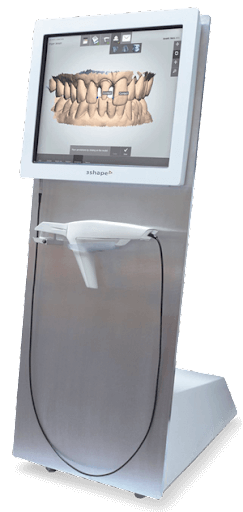
The primary advantage of an iTero scanner is its incredible accuracy. It allows you to capture a perfect digital blueprint of your patient’s anatomy, eliminating the distortions and guesswork of traditional impressions. However, that precision is only valuable if your lab can preserve it throughout the fabrication process. This requires specialized training, advanced technology, and a deep commitment to quality control. As you search for dental labs that accept iTero scans, it’s crucial to look beyond simple compatibility and assess their ability to deliver restorations with a perfect first-time fit. Here, we’ll explore the key quality markers to look for, ensuring your lab partner can match your commitment to clinical excellence.
Key Takeaways
- Choose an iTero Certified Lab: Partnering with a lab that is officially certified by Align Technology ensures they have the specific training to handle your digital scans correctly, leading to more accurate restorations and a better first-time fit.
- Improve your workflow and patient experience: Digital impressions increase your practice’s efficiency by reducing remakes and shortening appointment times, while also offering patients a more comfortable and engaging process compared to traditional methods.
- Build a strong lab relationship: A successful partnership goes beyond just sending files. Maintain open communication, track key metrics like turnaround times and quality, and work with a supportive team to ensure consistent, high-quality results for your patients.
Why Use iTero Scans in Your Practice?
Integrating an iTero scanner into your practice is a fundamental improvement to your clinical workflow. Digital scanning streamlines everything from the initial impression to the final seating, replacing traditional methods with a fast, accurate alternative. This shift improves efficiency, strengthens lab communication, and transforms the patient experience by making appointments more comfortable and engaging. The precision of digital scans leads to better-fitting restorations, meaning fewer adjustments and more predictable outcomes. Using iTero helps you deliver a higher standard of care while making your daily operations smoother and more reliable.
How Digital Impressions Work
The iTero scanner uses a handheld wand to capture thousands of images per second inside the patient’s mouth, piecing them together into a detailed 3D model. This process completely replaces traditional impression materials, which many patients find messy and uncomfortable. Instead of dealing with goop and trays, you get a precise digital file that can be sent to your lab instantly. This technology is a core part of modern digital case solutions, allowing for a cleaner, faster, and more accurate start to any restorative case.
Improve Your Practice with Digital Scans
Digital scans directly impact your practice’s efficiency and clinical outcomes. Because iTero scans are so precise, they allow labs to create restorations with an exceptional first-time fit. When your lab receives an exact digital model, they can fabricate restorations like crowns that require minimal to no chairside adjustments. This saves you valuable time and reduces the likelihood of remakes. Working with an iTero-certified lab ensures your partner has the training to handle these digital files correctly, turning your precise scans into reliable, high-quality results.
Enhance the Patient Experience
For patients, the difference between a traditional impression and a digital scan is significant. The iTero scanner offers a quick, comfortable, and gag-free experience. Beyond comfort, the technology is a powerful educational tool. You can show patients a 3D image of their mouth on-screen, making it easier to explain treatment needs and discuss options. This visual aid helps patients feel more involved and informed in their care. By making the process more pleasant and understandable, the iTero scanner helps build patient trust and satisfaction from the first appointment.
Which Dental Labs Accept iTero Scans?
Finding a dental lab that seamlessly integrates with your iTero scanner is key to streamlining your practice’s workflow. The good news is that many modern labs are equipped to handle digital impressions. The most important factor is choosing a lab that is not just compatible but officially certified, as this ensures they meet specific standards for quality and accuracy. An iTero-certified lab has the training and technology to translate your precise digital scans into exceptional restorations, making your job easier and improving patient outcomes.
Partner with Next Dental Lab
If you’re looking for a reliable lab that works with your iTero scanner, you’ve come to the right place. Next Dental Lab is an iTero-certified laboratory, which means we are fully approved by Align Technology to receive and process your digital scans. Our team has specialized training to handle iTero data, ensuring we create accurate and dependable dental restorations every time. Connecting with us is straightforward. Simply use our Lab ID, 11653, to add us to your scanner. This direct connection creates a seamless digital workflow, leading to better-fitting restorations, reduced chair time for adjustments, and ultimately, happier patients. You can connect your scanner to our lab today and start sending cases right away.
Finding a Certified iTero Lab Partner
When you see a lab is “iTero Certified,” it means they’ve gotten the official thumbs-up from Align Technology, the company behind iTero scanners. This isn’t just a fancy title. It’s a sign that the lab is serious about digital dentistry, invests in advanced technology, and consistently produces high-quality work. Certified labs go through specific training to interpret iTero scan data correctly, which is crucial for making precise and reliable restorations. Choosing a certified partner means you’re working with a team that understands the nuances of your digital impressions and is equipped to translate them into excellent results for your patients. It shows a commitment to quality that aligns with your own practice’s standards.
Understanding Lab Certification
So, why does this certification really matter for your day-to-day work? Think of it as your assurance of a smoother workflow and more predictable outcomes. Partnering with an iTero Certified Lab means you can expect restorations that fit perfectly the first time. Because we use your exact digital scans, the guesswork is gone. This precision leads to a better fit, which means less chair time spent on adjustments and happier patients who can get on with their day. The seamless digital case submission process also minimizes the errors and communication gaps that can sometimes happen with traditional physical impressions, giving you more confidence in every case you send.
How to Choose an iTero-Compatible Lab
Selecting the right dental lab is about more than just finding one that accepts digital files. It’s about choosing a partner who will become an integral part of your practice. The right lab can help you streamline your workflow, reduce chair time, and deliver consistently excellent results for your patients. When you’re investing in technology like an iTero scanner, you want a lab that can match your commitment to modern dentistry.
As you evaluate your options, think about the complete experience, from submitting your first scan to seating the final restoration. A great iTero-compatible lab understands the nuances of digital impressions and has the systems in place to turn your precise scans into beautiful, accurate restorations. They should make your job easier, not add another layer of complexity. Let’s walk through the key factors to consider so you can find a lab that truly fits your practice’s needs.
Ensure Seamless Workflow Integration
Your digital workflow should feel effortless. A lab that is deeply familiar with the iTero system can make that happen. Look for an iTero Certified Lab, which is a dental lab approved by Align Technology. This certification shows the lab is serious about digital dentistry, uses advanced technology, and consistently produces high-quality work.
Choosing a certified partner means they have established protocols for receiving and processing iTero scans, minimizing the risk of errors or delays. They understand the data and can move a case smoothly from digital submission to production. This seamless integration saves your team valuable time and eliminates the friction that can come with adopting new digital processes.
Verify Quality and Accuracy Standards
The main advantage of a digital impression is its incredible accuracy. Your lab partner must be able to preserve that precision throughout the entire fabrication process. Certified labs receive special training to use iTero scanner data correctly, which helps them make accurate and reliable dental restorations. This expertise is critical for achieving a perfect fit on the first try.
Ask potential labs about their quality control measures for digital cases. Do they review each scan for potential issues before fabrication? A lab committed to quality will have a meticulous process for creating everything from crowns and bridges to complex implant cases, ensuring the final product honors the precision of your original scan.
Evaluate Communication and Support
Even with the best technology, you’ll eventually have a question about a case. When that happens, you want a responsive and knowledgeable team on your side. Look for a lab with accessible technicians and helpful support to guide your team through the digital process. A strong lab partner is easy to reach and happy to discuss case specifics, from material selection to design modifications.
Before committing to a lab, consider giving them a call. Is the team friendly and helpful? Can you easily get in touch with a technician? This initial interaction often reflects the level of support you’ll receive long-term. A lab that values clear communication is a lab that values your partnership and your patients’ outcomes.
Review the Lab’s Service Offerings
Working with multiple specialty labs can complicate your workflow. A lab that offers a wide range of services, including crowns, bridges, dentures, and implants, can become a convenient one-stop shop, simplifying your work. Consolidating your cases with one full-service lab means you only have one team to communicate with, one shipping process to manage, and one standard of quality to expect.
This is especially helpful for complex cases that may require multiple types of restorations. A full-service lab like Next Dental Lab can handle everything from single-unit dental implants to full-arch hybrid dentures, ensuring consistency and a cohesive treatment plan for your patient.
How to Connect Your iTero Scanner to a Lab
Getting your iTero scanner linked up with a dental lab is a simple process that opens the door to a fully digital workflow. Once you’re connected, sending cases is as easy as filling out a form and clicking a button. The entire process is managed through your MyiTero account, giving you a central place to handle all your lab partnerships. Whether you’re connecting to your first lab or managing several, the platform is designed to be user-friendly. Let’s walk through the steps to get you started and troubleshoot any common hiccups you might encounter along the way.
Connect Your Scanner via MyiTero
The easiest way to link your scanner is through the MyiTero.com website. Once you log in, you can add a lab using its specific Lab ID. For example, you can find Next Dental Lab by entering our ID: 11653. If you don’t have the ID, you can also search for the lab by name or contact iTero support for help. After the connection is established, the lab will appear as an option on your scanner, allowing you to fill out a digital RX form and send the scan directly. You can also export scans as universal STL files, which gives you the flexibility to work with any lab, even if they aren’t an official iTero partner.
Manage Multiple Lab Connections
If your practice collaborates with several different labs, you can easily handle all those connections from your MyiTero account. Just log in, go to your settings, and find the ‘my labs’ section under practice settings. This page shows you a complete list of the labs currently connected to your clinic. From here, you can browse for and add other labs you want to work with. Once you’ve successfully connected with a new lab, it will automatically be available as a choice when you’re filling out RX forms for your scans, making it simple to direct each case to the right partner.
Solve Common Connection Issues
After you request to connect with a lab, they will get an email notification. You’ll see the lab appear in your list with a ‘pending’ status. Don’t worry if it doesn’t switch to ‘connected’ immediately; this can sometimes take a few hours to update. If you run into any trouble, one of the most common issues is a lack of permissions. To add or manage lab connections, you need to have administrator access for your practice’s MyiTero.com account. If you can’t seem to make changes, check with your office’s account administrator to ensure you have the right permissions.
What Restorations Can iTero Labs Create?
One of the best things about integrating an iTero scanner into your practice is its versatility. This single piece of technology opens the door to a huge range of restorative options, from single crowns to complex full-arch cases. Because the digital scans are so detailed and accurate, a skilled lab can use them as the foundation for virtually any restoration you need. This means you can handle more cases with a streamlined, efficient digital workflow.
When you partner with an iTero-compatible lab, you’re not just getting a lab that accepts digital files; you’re getting a partner that can support the full scope of your practice’s services. The precision of iTero scans allows labs to fabricate restorations that fit beautifully, function correctly, and look fantastic. Let’s look at some of the specific types of restorations you can create when you send your iTero scans to a lab like Next Dental Lab.
Crowns and Bridges
Say goodbye to tedious chairside adjustments. iTero scanners capture incredibly precise digital impressions, allowing labs to create crowns and bridges that fit perfectly right from the start. The high-resolution scan provides a detailed map of the patient’s dentition, including margins and contact points, which is essential for a successful restoration. This accuracy means the lab can mill a crown or bridge with minimal guesswork. For your practice, this translates to shorter appointment times, fewer remakes, and a much smoother experience for your patients. The result is a final restoration that seats easily and feels comfortable.
Dental Implants
Implant cases demand the highest level of precision, and this is where the digital workflow truly shines. iTero scanners provide the accurate data needed to fabricate custom abutments and implant crowns that align perfectly with the implant fixture and surrounding soft tissue. An iTero-compatible lab can use these scans to design and produce all the components for your dental implants with exceptional accuracy. This digital process simplifies what can often be a complex procedure, ensuring every component fits together seamlessly for a predictable and successful outcome.
Removables
Many dentists wonder if digital scans are suitable for removable prosthetics, and the answer is a resounding yes. iTero scanners can accurately capture the details of both hard and soft tissues, providing all the information needed to create comfortable, well-fitting removables. You can use digital impressions for full and partial dentures, eliminating the need for messy and often inaccurate traditional impression materials. This not only improves the patient’s experience but also gives the lab a clean, precise digital model to work from, resulting in a better-fitting final product.
Hybrid Dentures and Other Cases
For complex, full-arch restorations, the digital process is a true game-changer. The seamless workflow from an iTero scan to a lab significantly reduces the communication issues and potential errors that can arise with traditional methods. This makes it the ideal approach for fabricating hybrid dentures and handling other challenging cases. The clarity of the digital file ensures that you and the lab are on the same page from day one. This level of precision is invaluable for any case that requires meticulous planning and execution, giving you confidence in the final outcome.
What to Expect from Your iTero Lab Partner
Choosing a lab that accepts your iTero scans is the first step. But a true partner does more than just receive a file; they become an extension of your practice, using that digital information to create exceptional results. When you find the right fit, you’ll notice a difference in your workflow, your efficiency, and your final restorations. Here’s what you should expect from a top-tier iTero lab partner.
3D Models for Case Verification
A great iTero lab partner uses your digital scans to their full potential. One of the best ways they do this is by creating highly accurate, 3D-printed models to verify the fit of restorations before they ever leave the lab. This step is a critical quality control measure that catches potential issues early on. By confirming the fit on a precise model of your patient’s preparation, the lab drastically cuts down the chances of you needing to make chairside adjustments. It’s a simple but powerful process that helps ensure a smooth, predictable seating appointment for you and your patient every time.
Efficient Digital Case Processing
Your lab partner should make submitting digital cases feel effortless. A smooth and efficient digital case submission process is a clear sign of a well-organized, tech-savvy lab. This means you should have a straightforward portal or method for uploading your iTero scans, clear communication throughout the fabrication process, and predictable turnaround times. The lab’s role is to make your transition to a digital workflow as seamless as possible. They should remove the friction, not add to it, allowing you to focus more on your patients and less on administrative tasks. A great partner makes the entire digital process feel like a natural part of your daily routine.
Reliable Technical Support
Technology is fantastic, but sometimes you just need to talk to a person. A reliable iTero lab partner understands this and provides responsive, knowledgeable technical support. Whether you have a question about connecting your scanner or need help with a specific case, you should feel confident that you can get the assistance you need quickly. This support is crucial, especially when you’re integrating new digital tools into your practice. A lab that invests in helping you succeed is a true partner. They should be committed to helping you get the most out of your digital technology, ensuring your practice reaps all the benefits of a modern workflow.
A Commitment to a First-Time Fit
Ultimately, the goal of using iTero scans is to produce restorations that fit perfectly on the first try. Your lab partner should share this commitment. By leveraging the incredible precision of your digital impressions, they can fabricate crowns and bridges and other restorations with remarkable accuracy. This dedication to a first-time fit is one of the biggest advantages of working with a digital lab. It means less time spent making adjustments in the patient’s chair, which improves your overall efficiency and enhances the patient experience. When your lab is committed to this standard, you can schedule seating appointments with confidence.
How iTero Scans Lead to Better Patient Outcomes
Integrating an iTero scanner into your practice is more than just a technology upgrade; it’s a direct path to improving the care you provide. Digital impressions fundamentally change the restorative process, leading to tangible benefits that both your team and your patients will appreciate. From the initial scan to the final seating, this technology helps you deliver more precise, efficient, and comfortable care. Let’s look at exactly how iTero scans contribute to superior patient outcomes.
Improve Restoration Accuracy and Fit
The foundation of a great restoration is a perfect impression. iTero scanners capture incredibly detailed 3D images of a patient’s teeth and gums, eliminating the guesswork and potential distortions common with traditional putty impressions. This high level of precision means the lab receives an exact replica of the patient’s oral environment. As a result, the crowns and bridges we fabricate have a superior marginal fit and require minimal to no adjustment. For your patients, this means a more comfortable and reliable restoration that looks and feels natural from day one.
Lower Your Remake Rate
Remakes are frustrating for everyone. They delay treatment, add to your overhead, and require patients to come back for extra appointments. Because iTero scans are so accurate, they significantly reduce the likelihood of ill-fitting restorations. When your lab partner works from a precise digital file, they can create restorations that fit perfectly the first time. This means you spend less time making chairside adjustments and more time focusing on patient care. A seamless digital workflow not only streamlines your internal processes but also builds patient confidence by getting the job done right on the first attempt.
Shorten Patient Treatment Times
Patients always appreciate a faster treatment timeline. Digital scanning helps you deliver just that by speeding up the entire restorative process. Instead of physically shipping an impression to the lab, you can transmit the digital file in minutes. This immediate transfer of information cuts days off the turnaround time. The digital process also minimizes the risk of communication errors that can cause delays with traditional methods. By helping you connect your scanner directly to our lab, we can start working on your case almost immediately, getting the final restoration back to your office and your patient much sooner.
Best Practices for Your Digital Lab Partnership
Choosing an iTero-compatible lab is just the first step. The real success comes from building a collaborative relationship that helps your practice run smoothly and deliver excellent patient care. Think of your lab as an extension of your team, not just a vendor. When you and your lab are in sync, you can achieve more consistent results, reduce errors, and create a more efficient process for everyone involved. A strong partnership is built on clear communication, shared quality standards, and a streamlined workflow. It’s about more than just sending scans; it’s about working together to solve problems and refine your techniques.
A great lab partner will be invested in your success, offering support and expertise to help you make the most of your digital technology. They’ll understand your clinical preferences and work with you to achieve the best outcomes. This synergy is what separates a good lab from a great one. By focusing on a few key practices, you can create a relationship that benefits your team, your lab, and most importantly, your patients. This means taking the time to establish clear protocols, provide detailed feedback, and maintain an open line of communication. When your lab understands your expectations and you understand their process, you set the stage for consistently beautiful and accurate restorations.
Optimize Your Digital Workflow
A smooth digital workflow is the foundation of a successful lab partnership. When your processes are dialed in, you minimize the risk of errors and communication breakdowns that can occur with traditional methods. The goal is to make sending a case as seamless as possible. Work with your lab to understand their specific submission requirements and preferences. A top-tier lab will help you connect your scanner and guide your team through the initial setup. This ensures that from the very first case, your digital files are clean, accurate, and ready for production. This leads to faster turnaround times and predictable results, which means less stress for your team and happier patients.
Track Key Quality Metrics
Your lab should be just as committed to quality as you are. The best labs have systems in place to ensure every restoration is precise. For example, some labs will “calibrate” with you by reviewing your first few cases to understand your scanning style and clinical preferences. This proactive step helps align expectations from the start. Many leading labs also use 3D printed models to physically check the fit of restorations, including margins, contacts, and occlusion, before sending them to you. This verification step is crucial for producing high-quality crown and bridge work and minimizing chairside adjustments, saving you valuable time.
Build a Strong Lab Relationship
Open communication is essential. Look for a lab with accessible technicians and a helpful support team that can answer questions and guide you through the digital process. When you can easily discuss case details or troubleshoot a technical issue, it builds trust and makes the entire process more efficient. Don’t hesitate to reach out and get to know the team you’re working with. When you view your lab as a partner, you create a collaborative environment where both sides are working toward the same goal: delivering the best possible restorations for your patients. This mutual respect and understanding is the key to a long-lasting and successful partnership.
How to Evaluate Your Lab’s Performance
Choosing a lab is a big decision, but the work doesn’t stop once you’ve connected your scanner. To get the most out of your partnership, it’s a good idea to periodically check in and evaluate your lab’s performance. A great lab relationship should consistently support your practice’s goals for efficiency, quality, and patient satisfaction. Think of it as a regular check-up for one of your most important professional relationships. By keeping an eye on a few key areas, you can ensure your lab partner continues to be the right fit for your team and your patients. This ongoing assessment helps you address small issues before they become big problems and confirms that you’re still receiving the excellent service you expect.
Review Turnaround Times
In a busy dental practice, every minute counts. Your lab’s turnaround time directly impacts your schedule and your patients’ experience. When you partner with a lab that accepts iTero scans, you should expect efficiency. A smooth digital workflow leads to better-fitting restorations, less chair time, and higher patient satisfaction. Are your cases consistently coming back within the promised timeframe? If you notice delays, it’s worth a conversation. Tracking the time from when you send a scan to when you receive the final restoration can give you a clear picture of your lab’s consistency and help you manage patient appointments with confidence.
Assess Restoration Quality
The quality of the restorations you receive is the ultimate measure of a lab partnership. After all, your reputation is on the line with every crown, bridge, or denture you place. A top-tier lab does not compromise on quality when providing its products or services. The best restorations require minimal to no chairside adjustments, fit perfectly, and have excellent aesthetics. Their level of precision, consistency, and attention to detail should be exceptional. A simple way to track this is to monitor your remake rate. A low remake rate is a strong indicator that your lab is delivering the high-quality work your patients deserve.
Gauge the Quality of Support
Great technical work is essential, but so is great communication. When you have a question about a case or need to discuss a complex treatment plan, you need a responsive and knowledgeable team on your side. Look for a lab where the staff is cohesive and always follows up. As one dentist noted about their experience, “We generally work with Laura who is always attentive and detail-oriented. She always goes above and beyond.” This kind of dedicated support from your lab team is invaluable. It shows they are invested in your success and are a true partner in patient care, not just a vendor.
Start Your Digital Lab Partnership
Choosing a dental lab that accepts iTero scans is a great first step, but the real magic happens when you build a strong partnership. This collaboration is what transforms your digital workflow from a simple tool into a cornerstone of your practice’s efficiency and patient satisfaction. A great lab partner works with you to ensure every case is a success, from the moment you send the scan to the final fitting. They understand the technology and are committed to producing high-quality work that reflects well on your practice.
When you’re ready to make the switch, look for an iTero Certified Lab. This certification from Align Technology means the lab is fully equipped to handle digital impressions and is dedicated to the precision of digital dentistry. It’s a clear indicator that they have the right processes in place to create restorations that fit perfectly, reducing the need for chairside adjustments. By partnering with a certified lab, you can feel confident that your digital cases are in expert hands.
Getting started is simpler than you might think. You can easily connect your scanner to your chosen lab through the MyiTero website. Before you send your first case, it’s a good idea to have a conversation about expectations. Discussing things like the lab’s support system and training resources helps ensure a smooth working relationship from day one. This open communication sets the foundation for a partnership that helps your practice grow and allows you to deliver an even better experience for your patients.
Related Articles
- Dental Diagnostics: Comparing Intraoral And Extraoral Methods
- Types of Intraoral Scanners & Dental Scanning Technology | Next Dental Lab
- 4 Best iTero Certified Labs for Your Practice
- Intraoral Scanner Advantages: Transform Your Dental Practice | Next Dental Lab
Frequently Asked Questions
What’s the real difference between an iTero-compatible lab and an iTero Certified Lab? Think of it this way: any lab can say they accept digital files, but an iTero Certified Lab has been officially vetted by Align Technology. This certification means the lab’s technicians have specific training to interpret your scan data correctly, ensuring the final restoration is as precise as your impression. It’s your assurance that the lab is committed to the digital process and has the right systems in place to deliver consistent, high-quality results.
How do I connect my iTero scanner to Next Dental Lab? Connecting with us is very straightforward. You just need to log into your account on MyiTero.com and add us as a new lab. You can find us by searching for our official Lab ID, which is 11653. Once you send the request, we’ll accept it, and our lab will appear as an option on your scanner. From there, you can send cases to us directly.
Can I use iTero scans for more than just single crowns? Absolutely. The precision of iTero scans makes them ideal for a wide variety of restorations. You can use them for everything from standard crowns and bridges to more complex cases like custom implant abutments, full and partial dentures, and even full-arch hybrid dentures. A full-service digital lab can use your scans as the foundation for almost any restorative case you handle in your practice.
What happens if there’s an issue with one of my digital scans? This is where having a strong lab relationship really matters. A great lab partner won’t just reject a scan; they’ll communicate with you. If they spot a potential problem with a margin or have a question about the preparation, their team will reach out to discuss it. This collaborative approach helps catch issues early, preventing remakes and ensuring the final restoration is successful.
How can I ensure my restorations will fit well without chairside adjustments? The key is working with a lab that prioritizes a first-time fit. The accuracy of your iTero scan provides the perfect starting point. A quality-focused lab will then use that data meticulously. Many top labs, including ours, use 3D-printed models created from your scan to physically verify the fit of the restoration before it’s sent to you. This quality control step is crucial for minimizing adjustments and making your seating appointments smooth and predictable.