If you’ve ever spent valuable chair time grinding on a metal framework to get the fit just right, you know the frustration of traditional cast partials. The process can feel unpredictable, with inaccuracies from physical impressions leading to time-consuming adjustments and patient callbacks. This is where a digital workflow changes everything. By replacing messy molds with precise intraoral scans, you can achieve a perfect fit from the start. This guide explores how partnering with a modern digital design cast partial denture lab eliminates the guesswork, delivering consistent, high-quality restorations that save you time, reduce stress, and provide a far better final product for your patients.
Key Takeaways
- Embrace digital workflows for superior results: Using an intraoral scanner instead of traditional impression material creates a more precise model, resulting in better-fitting partial dentures that require fewer adjustments, shorten appointment times, and improve the overall patient experience.
- Choose a lab that acts as a true partner: A great digital lab does more than fabricate restorations; they provide seamless scanner integration, offer guidance on high-quality materials, and deliver expert support to help your practice succeed with every case.
- Transitioning to digital is simpler than you think: You can start by mapping out your new process, connecting your existing scanner to the lab’s portal, and relying on your lab partner for any training or technical assistance your team needs to feel confident.
What Are Digital Cast Partial Dentures?
If you’re looking for a modern solution for patients missing some, but not all, of their teeth, digital cast partial dentures are an excellent choice. These restorations combine a durable metal framework with natural-looking acrylic teeth and gums, offering a reliable and esthetic option for partial edentulism. The “digital” part of the name refers to the advanced manufacturing process that uses digital scans and computer-aided design to create a partial denture with incredible precision.
This technology moves away from the limitations of traditional fabrication methods, which often rely on manual techniques and physical molds that can introduce inaccuracies. Instead of asking patients to endure messy physical impressions that can warp or cause discomfort, the digital workflow starts with a clean, quick intraoral scan. This precise data is then used to design and mill or print a framework that fits perfectly from the start, minimizing the need for frustrating chairside adjustments. The result is a streamlined process for your practice and a more comfortable, better-fitting final product for your patient. By embracing this technology, you can offer high-quality removable partials that meet the high expectations of modern dentistry and set your practice apart.
Digital vs. Traditional: A Quick Comparison
The traditional method for creating cast partial dentures often involves a long and cumbersome process. It requires multiple appointments for physical impressions, bite registrations, and try-ins, which can be uncomfortable for the patient and time-consuming for your staff. The entire timeline, from the first impression to final delivery, can stretch over several weeks. This drawn-out process leaves more room for error and often results in the need for significant chairside adjustments to get the fit just right.
In contrast, the digital workflow is a game-changer. It dramatically shortens the production timeline, sometimes from over a month to just a couple of weeks. By starting with a precise intraoral scan, you eliminate the mess and inaccuracies of physical molds. This efficiency means fewer appointments, less chair time spent on adjustments, and a much more pleasant experience for your patient.
How the Digital Workflow Works
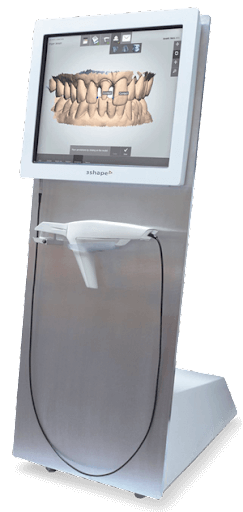
The digital process for cast partials begins at the chair with an intraoral scanner. Instead of asking the patient to sit with a tray of impression material, you can capture a detailed 3D image of their mouth in minutes. This digital impression is highly accurate and can be sent to the dental lab instantly with a simple click. This is a key step when you go digital with your lab partner.
Once the lab receives your digital file, technicians use specialized CAD (computer-aided design) software to design the partial denture framework directly on the 3D model. This allows for incredible precision in designing clasps, rests, and connectors for optimal fit and function. The final design is then sent to a 3D printer or milling machine to create the framework, ensuring the final product matches the digital blueprint exactly.
Why Go Digital for Cast Partial Dentures?
Switching to a digital workflow for cast partial dentures can transform your practice. It’s not just about keeping up with technology; it’s about delivering better results for your patients and creating a more efficient process for your team. By replacing traditional impression methods with digital scans, you can address common challenges like poor fit, long wait times, and patient discomfort. The precision of digital design means fewer errors and a more predictable outcome from the start. Let’s look at the specific advantages you can expect when you partner with a digital-forward lab for your removable partial dentures.
Achieve a More Precise Fit
One of the biggest advantages of a digital workflow is the incredible accuracy it provides. Traditional impressions can be prone to distortion, bubbles, or other inaccuracies that lead to a poor-fitting partial. Digital impressions, on the other hand, capture a highly detailed and precise 3D model of the patient’s mouth. This accuracy translates directly to the final product. With a detailed digital file, labs can design a cast partial denture that fits perfectly from the first try-in. This means less chairside adjustment time for you and a more comfortable, secure fit for your patient. The ability to send digital scans directly to the lab ensures that the data remains pristine and unaltered.
Speed Up Your Turnaround Times
The traditional process for creating a cast partial can be lengthy, sometimes taking over a month from the initial impression to final delivery. This long wait can be frustrating for both you and your patients. A digital workflow dramatically shortens this timeline. By eliminating the need to ship physical impressions and models back and forth, you cut out days of transit time. Digital files are sent to the lab instantly, allowing production to begin almost immediately. This streamlined process can reduce the entire turnaround time to less than two weeks. Getting patients their partials faster means you can complete cases more quickly and improve overall practice efficiency.
Improve Patient Comfort
Let’s be honest, traditional impressions aren’t a pleasant experience for most patients. The gooey material and bulky trays can cause gagging and discomfort. Intraoral scanners completely change this part of the process. A digital scan is quick, clean, and far more comfortable for the patient. You simply move a small wand around their mouth to capture the images. This modern approach not only feels more professional but also significantly improves the patient experience. Happier patients are more likely to return to your practice and recommend you to others. Adopting this technology shows your commitment to providing the best and most comfortable care possible.
Minimize Appointments and Adjustments
How much chair time do you spend on adjustments for new partial dentures? With traditional methods, multiple follow-up appointments for tweaks and refinements are common. The superior fit of digitally designed partials helps to nearly eliminate this issue. Because the initial scan is so accurate, the final restoration requires minimal to no adjustments upon delivery. Many cases can be completed in just two appointments: one for the scan and one for the final fitting. This efficiency is a huge benefit for your practice, as it frees up valuable chair time for other procedures. For patients, it means a faster resolution and less time spent in your office.
How to Choose the Right Digital Dental Lab
Selecting a digital dental lab is about more than just finding a vendor; it’s about choosing a partner who can directly influence your practice’s efficiency and your patients’ satisfaction. The right lab integrates smoothly into your workflow, delivering consistent, high-quality results that save you chair time and reduce the need for adjustments. As you evaluate your options, it’s helpful to look beyond the surface and consider the core components that make a lab a true asset to your practice. Key areas to focus on include their technological capabilities, the quality of their materials, their commitment to deadlines, and how easily their systems connect with yours.
Look for Advanced CAD/CAM Technology
A lab’s investment in technology is a clear indicator of its commitment to quality. Modern labs use advanced CAD/CAM systems to design and mill restorations with incredible precision. This technology is what makes the digital process faster, more predictable, and often more comfortable for patients compared to traditional methods. When you partner with a lab that uses up-to-date equipment and software, you can expect a higher standard of consistency and accuracy in every case. Before committing, ask about their specific CAD/CAM setup and how they maintain their digital case solutions to ensure you’re working with a forward-thinking partner.
Check Their Material Quality and Options
The final restoration is only as good as the materials it’s made from. A top-tier lab will not only use high-quality materials but will also offer a variety of options to meet different clinical needs and patient preferences. For cast partials, look for labs that use proven, durable alloys known for their strength and biocompatibility. Having access to a range of materials allows you to provide the best possible solution for each patient. Don’t hesitate to ask for material specification sheets or information on their removable denture products to verify they meet your standards.
Confirm Turnaround Time Commitments
Predictable turnaround times are essential for managing your schedule and keeping your patients happy. In a digital workflow, production can be significantly faster, with some labs completing cases in under 10 days. Ask potential labs for their average turnaround times for specific restorations, like cast partials, crowns, or bridges. A reliable lab will provide a clear schedule and communicate proactively if any delays occur. This transparency helps you set realistic expectations for your patients and keeps your appointment book running smoothly, minimizing disruptions and building patient trust.
Ensure Scanner and Software Compatibility
A seamless digital workflow depends on easy and reliable file transfers between your practice and the lab. Before you partner with a lab, confirm that their system is compatible with your intraoral scanner and design software. The last thing you want are technical glitches that slow down the process. A great lab partner makes this simple by providing clear instructions and support for connecting your equipment to their portal. Look for a lab that offers a straightforward process to connect your scanner and provides technical assistance if you run into any issues.
What to Expect from a Top-Tier Digital Lab Partner
Choosing a digital dental lab is about more than just sending off scans; it’s about finding a true partner for your practice. The right lab acts as an extension of your team, helping you deliver exceptional care with greater efficiency. They understand that their success is tied to yours and the satisfaction of your patients. A top-tier partner provides a foundation of reliable technology, expert support, and high-quality materials, ensuring every case runs smoothly from the initial scan to the final fitting. This partnership simplifies your workflows, reduces chair time, and gives you confidence in the final restoration. When you find a lab that delivers on these fronts, you can focus more on your patients and less on logistical hurdles.
Comprehensive Digital Solutions for Your Practice
A great lab partner offers a complete digital pathway for your cases. Instead of piecing together different services, you get a streamlined process for creating partial dentures that is faster and more comfortable for everyone involved. From the moment you submit your digital impression, the lab should manage the entire design and fabrication process using its advanced systems. This comprehensive approach means you have a single point of contact and a consistent workflow for all your removable restorations. This digital-first mindset should extend across their services, providing you with a reliable resource for everything from partials to complex dental implant cases.
Seamless Scanner Integration and Support
Adopting a digital workflow should feel like an upgrade, not a headache. That’s why a top lab ensures its systems are compatible with a wide range of intraoral scanners and provides robust support to get you started. They should offer clear, simple instructions to connect your scanner and have a knowledgeable team ready to help with any technical questions. This level of support is crucial for a smooth transition. Your lab partner should make it easy to send digital cases, allowing your team to feel confident with the technology. Their goal is to make the digital submission process feel effortless so you can get the full benefit of a modern workflow.
A Focus on High-Quality Materials
The final restoration is only as good as the materials used to create it. A premier digital lab is transparent about its material choices and offers a variety of high-performance options to suit different patient needs. For cast partial frameworks, this includes proven alloys like chrome-cobalt, known for its strength, fit, and durability. Your lab should also provide choices for clasps and saddles, including flexible and acrylic resins that balance aesthetics with function. By partnering with a lab that prioritizes excellent materials, you can be certain that the partial dentures you deliver are not only precise but also built to last.
A Guide to Materials for Digital Cast Partials
Choosing the right material is a critical step in creating a successful digital cast partial. The material directly impacts the denture’s strength, flexibility, comfort, and appearance. With digital workflows, you have access to a range of modern materials designed to meet diverse patient needs and clinical situations. Let’s walk through some of the top choices for your practice.
Durable Metal Frameworks (Chrome-Cobalt, Titanium)
For long-lasting and robust removables, metal frameworks are the gold standard. Chrome-cobalt alloys are a popular choice because they offer exceptional strength and durability. According to DDS Lab, a material like Dentsply Vitallium 2000 is known for its “excellent quality, good looks, ease of adjustment, and long-lasting strength.” This kind of material is also remarkably flexible for a metal, with the ability to stretch significantly more than others. This makes it an ideal foundation for partial dentures that need to be both strong and adaptable to the patient’s mouth. Titanium is another excellent option, valued for its biocompatibility and lightweight feel.
Comfortable and Flexible Thermoplastics
When patient comfort is the top priority, thermoplastics offer a fantastic, metal-free alternative. Flexible materials like Valplast and Duraflex are designed to provide a more comfortable fit, which is especially helpful for patients with sensitivities to metal or traditional acrylics. These materials blend in with the natural gum tissue, offering a more esthetic result. As the lab Dandy points out, modern labs offer a variety of materials, including flexible options, to suit different patient needs. By using advanced digital case solutions, labs can create highly accurate partials from these modern materials, ensuring a snug and comfortable fit that your patients will appreciate.
Versatile Acetal and Acrylic Resins
Acetal and acrylic resins provide a versatile and esthetic option for partial dentures. Acetal resin, for example, is a tooth-colored, metal-free material that can be used for clasps and frameworks, offering a more natural look than traditional metal. As Dandy mentions, the process for creating partials often combines digital and traditional methods to get the best results. This hybrid approach is perfect for working with these resins. Using an intraoral scanner, you can capture precise impressions of the soft tissues. This accuracy is essential for fabricating a resin partial that fits perfectly, providing stability and function without the need for metal components.
Understanding the Value of Digital Partials
When you’re thinking about bringing new technology into your practice, it’s natural to look at the bottom line. But the true value of digital partial dentures goes far beyond a simple line item. It’s about investing in a more efficient workflow, a better patient experience, and a stronger future for your practice. By shifting from traditional methods, you’re not just changing a process; you’re adopting a system that delivers returns in the form of saved time, improved accuracy, and happier patients. Let’s look at what this investment really means for you and your practice.
Comparing the Investment: Digital vs. Traditional
The traditional method for creating partial dentures can be a long and cumbersome process. It often involves multiple appointments, messy impressions, and a significant amount of your valuable time. The entire workflow can stretch out for weeks, sometimes taking over 50 days from start to finish.
In contrast, a digital approach completely changes the timeline. With digital scans, the fabrication of removable partials can be completed in as little as ten days. This isn’t just about speed; it’s about reclaiming your time. Fewer appointments and a more direct process mean you can reduce chair time for partial cases, freeing you up to focus on other patients and aspects of your practice.
Realizing Long-Term Efficiencies for Your Practice
The efficiencies gained from a digital workflow have a lasting impact on your practice. By minimizing the number of appointments needed for each partial denture case, you can see more patients throughout the day. This streamlined approach simplifies the entire process, from the initial digital impression to the final fitting.
This newfound efficiency allows your practice to operate more smoothly and grow its capacity. When you go digital, you’re not just saving time on individual cases; you’re building a more productive and scalable operational model. The long-term result is a practice that can serve more patients effectively without adding stress to you or your team.
Key Factors in Your Overall Investment
The value of digital partials is also found in the quality of the final product and the patient’s experience. Digital impressions create incredibly precise models, which leads to partials that fit perfectly and feel comfortable. This accuracy significantly reduces the need for follow-up appointments for adjustments, saving both you and your patient time.
Furthermore, working with a digital lab gives you access to a wide range of modern materials, including durable chrome-cobalt, flexible thermoplastics, and metal-free acetal resins. The ability to use digital scans ensures you can offer the best material for each patient’s unique needs, contributing to a better clinical outcome and higher patient satisfaction.
Making the Switch to Digital: Your Next Steps
Moving your practice toward a digital workflow for cast partial dentures is a significant step, but it doesn’t have to be complicated. Think of it as a series of manageable actions that will ultimately make your work more efficient and precise. By focusing on a few key areas, you can create a smooth transition for your team and your patients. It all comes down to establishing your process, getting your equipment connected, and knowing you have a reliable partner to support you along the way.
Establish Your Digital Workflow
The first step is to map out your new digital process. A digital workflow for partial dentures is a faster, more streamlined approach that improves the entire experience, from impression to final fitting. Instead of dealing with physical impressions, you’ll be capturing precise patient data in minutes and sending it to the lab instantly. This digital-first method reduces opportunities for error and allows for more efficient communication with your lab partner. Adopting these modern digital case solutions helps you get restorations back faster, which means a better experience for your patients and a more productive schedule for your practice.
Connect Your Intraoral Scanner
Your intraoral scanner is the heart of your digital workflow. This technology is exceptional at capturing the fine details of both hard and soft tissues, which is essential for creating partial dentures that fit perfectly. The accuracy of a digital scan far surpasses that of a traditional impression, leading to fewer adjustments and remakes. Most modern scanners are designed for open architecture, meaning they can work with labs like ours. The process is straightforward, and you can easily connect your scanner to our system to start sending cases right away. If you have any questions about compatibility, your lab partner should be ready to help.
Lean on Your Lab for Training and Support
You don’t have to figure everything out on your own. The best results come from a strong collaboration between your practice and your dental lab. A great lab partner acts as an extension of your team, offering support and guidance whenever you need it. This includes helping you with challenging scans, like edentulous areas, and providing tips to ensure you get the best possible data every time. This kind of support is crucial for making your transition to digital as seamless as possible. At Next Dental Lab, we are committed to being a true partner in your practice’s success, and you can learn more about our team and our approach.
Related Articles
- How to Make Partial Dentures Fit Better for Patients
- 5 Tips for Choosing a Cast Metal Partial Denture Lab
- Metal Framework Partial Denture: An Expert Guide
- How To Tell If Partial Dentures Without Metal Clasps Are Right For Your Patients
- How to Choose the Right Partial Denture Lab
Frequently Asked Questions
How much time can I realistically save by switching to a digital workflow for partials? The time savings are significant and happen in two key areas. First, the overall turnaround time from sending the case to receiving the final partial can shrink from over a month to less than two weeks. Second, and just as important, you’ll save a substantial amount of chair time. The precision of digital scans means the partials fit correctly right away, which nearly eliminates the need for multiple adjustment appointments.
Are digitally fabricated partials as durable as those made with traditional methods? Absolutely. The digital process improves the precision of the fit, but it doesn’t compromise the strength of the final product. We use the same high-quality, durable materials like chrome-cobalt that have been trusted for years. The digital design process actually enhances the final restoration by ensuring the framework is fabricated to exact specifications, creating a strong, reliable partial that is built to last.
What if my intraoral scanner has trouble capturing the edentulous areas? This is a common question, and it’s a great example of where a true lab partnership comes into play. Capturing soft tissue can be tricky, but a good digital lab has the experience to guide you. We can offer specific scanning strategies and support to help you capture the necessary data accurately. Our technicians are skilled at working with these types of scans, so you can feel confident sending them to us.
Is it difficult to get my team comfortable with this new digital process? The transition is usually much smoother than practices expect. Sending a digital file is often easier and faster than packing and shipping a physical impression. A great lab partner will provide clear instructions and be available to walk your team through the first few cases. Once your staff sees how much time it saves and how it reduces hassle, they typically embrace the new workflow quickly.
Can I still work with a digital lab if I don’t have an intraoral scanner yet? While this guide focuses on the benefits of a fully digital workflow, many labs that specialize in digital dentistry still support practices using traditional methods. The best first step is to reach out and discuss your practice’s specific situation. A forward-thinking lab can help you create a plan to transition to digital when you’re ready and may still be able to assist you in the meantime.