Nothing disrupts a packed schedule quite like a crown that doesn’t seat properly. Those extra minutes spent on chairside adjustments quickly add up, leading to delays, frustrated patients, and costly remakes. This is a common challenge, but it doesn’t have to be your reality. The solution lies in a more precise and predictable workflow. By partnering with the right digital emax crown design lab, you can virtually eliminate these issues. This guide will walk you through the benefits of making the switch, from achieving a perfect fit every time to streamlining your entire process. We’ll cover what to look for in a lab partner and how this relationship can transform your practice’s efficiency and clinical outcomes.
Key Takeaways
- Partner with a digital Emax lab for better outcomes: This approach uses CAD/CAM technology to create highly accurate and aesthetic crowns, which means fewer chairside adjustments and a more streamlined workflow for your practice.
- Choose a lab that supports your digital workflow: Look for a partner with modern technology, compatibility with your intraoral scanner, and a knowledgeable support team to ensure a reliable and collaborative relationship.
- Ensure a smooth transition with clear processes: A successful shift to digital dentistry depends on more than just technology; focus on training your team for consistent digital submissions and establishing clear communication protocols with your lab partner.
What is a Digital Emax Crown Design Lab?
Think of a digital Emax crown design lab as your specialized partner in creating custom dental restorations. At its core, a dental lab takes your clinical prescriptions and transforms them into tailor-made solutions for your patients. A digital lab does this using a modern, technology-driven process. Instead of relying on physical impressions and manual techniques, a digital lab leverages advanced software and machinery to design, manufacture, and refine dental appliances with incredible accuracy.
This digital approach combines technical expertise with cutting-edge tools to produce restorations that are not only precise but also consistent. Specifically, a digital Emax lab focuses on creating crowns from lithium disilicate ceramic, a material celebrated for its strength and aesthetics. By specializing in this area, these labs can refine their processes to deliver exceptional results. Partnering with a digital lab means you can offer your patients high-quality, durable, and beautiful crowns while making your own practice more efficient. This partnership allows you to integrate the latest advancements into your practice without the overhead of purchasing and maintaining all the equipment yourself, giving you access to top-tier results on every case.
Digital vs. Traditional Crown Fabrication
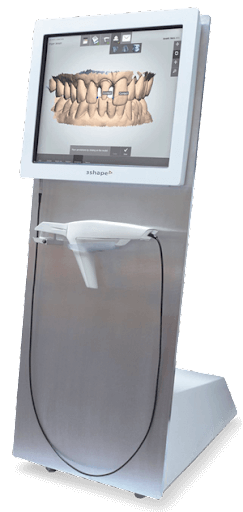
For years, the traditional method of crown fabrication involved physical impressions, stone models, and a lot of manual artistry. While effective, this process could be time-consuming and left room for minor inaccuracies. The shift to a digital workflow changes the entire game. It starts with a clean, quick intraoral scan instead of a goopy impression tray. This digital file is then sent to the lab instantly.
Making the switch from traditional methods to a fully digital workflow can feel like a big step, but the advantages are clear. Digital fabrication eliminates many of the variables that can affect the fit and finish of a crown. It reduces the chances of distortion that can occur with physical impressions and models, leading to a more predictable and precise final product. This means fewer adjustments chairside and a smoother experience for both you and your patient.
The Role of CAD/CAM in Modern Dentistry
At the heart of the digital lab is CAD/CAM technology. CAD stands for computer-aided design, and CAM stands for computer-aided manufacturing. This technology has truly transformed how dental restorations are made. It allows lab technicians to design a crown with incredible precision on a computer, viewing it from every angle and perfecting the anatomy and fit before it’s ever created.
Once the design is finalized, the CAM system takes over, milling the crown from a solid block of high-quality ceramic material like Emax. This automated process ensures that the final restoration is an exact match to the digital design. The implementation of CAD/CAM technology provides dental professionals with enhanced precision, improved efficiency, and ultimately, greater patient satisfaction. It’s the key to creating consistent, high-quality restorations every single time.
Why Dentists Choose Emax
Emax has become a go-to material for crowns, and for good reason. Emax crowns are crafted from lithium disilicate, a type of glass-ceramic known for its excellent durability and beautiful, translucent appearance that mimics natural teeth. This combination of strength and aesthetics makes it a versatile choice for both anterior and posterior restorations, giving you the confidence that the crown will look great and last for years.
When you combine the superior qualities of Emax with a digital workflow, the benefits multiply. The precision of digital impressions allows the lab to start fabrication almost immediately, leading to faster turnaround times. Patients appreciate getting their final crowns and bridges sooner, often reducing the time they need to wear a temporary. For dentists, this means a more streamlined process, predictable results, and happy patients who love their new, natural-looking smiles.
The Benefits of Partnering with a Digital Emax Lab
Switching to a digital lab for your Emax crowns can completely transform your practice’s efficiency and the quality of care you provide. By leveraging advanced technology, these labs offer a level of precision and consistency that traditional methods often struggle to match. This partnership means more than just outsourcing fabrication; it’s about integrating a seamless digital process that benefits you, your team, and your patients.
From the initial intraoral scan to the final restoration, a digital workflow minimizes the variables that can lead to errors. This results in crowns that not only look fantastic but also fit perfectly with minimal adjustments. Let’s explore the specific advantages you can expect when you partner with a digital Emax lab.
Achieve a Precise Fit, Every Time
One of the most significant advantages of a digital workflow is the incredible precision it offers. Using CAD/CAM technology, your digital Emax lab can design and mill crowns with microscopic accuracy. This process starts with your intraoral scan, which creates a detailed 3D model of the patient’s dentition. The lab’s software then uses this data to craft a restoration that fits perfectly against the margins and surrounding teeth.
This level of accuracy virtually eliminates the need for chairside adjustments, saving you valuable time and effort. When you can seat a crown with confidence on the first try, it not only makes the appointment smoother but also contributes to greater patient satisfaction and trust in your practice.
Streamline Your Workflow with Faster Turnarounds
Time is a critical resource in any dental practice. A digital Emax lab helps you make the most of it by significantly speeding up the fabrication process. Sending a digital file is instantaneous, cutting out the shipping delays associated with physical impressions. Once the lab receives your scan, their automated milling systems can produce the crown with remarkable speed and efficiency.
This streamlined process means your patients get their final restorations much faster, often reducing the time they need to wear a temporary. For your practice, quicker turnarounds allow for more efficient patient scheduling and improved overall productivity. You can complete cases faster, open up your schedule for more appointments, and manage your workflow with greater predictability.
Deliver Superior, Natural-Looking Aesthetics
Emax crowns are renowned for their beauty, and a digital design process takes that aesthetic quality to the next level. The lithium disilicate ceramic material has a natural translucency that mimics real enamel beautifully. When combined with digital design, your lab partner can achieve an incredibly precise color match, ensuring the final crown and bridge restoration blends seamlessly with the patient’s natural teeth.
The CAD software allows technicians to meticulously shape every contour and cusp, creating a crown that is not only strong but also lifelike. This attention to detail ensures your patients leave with a smile that looks and feels completely natural, enhancing their confidence and satisfaction with the outcome.
Improve the Patient Experience
A better workflow and superior results directly translate to a happier patient. The digital process begins with a comfortable, gag-free intraoral scan instead of a messy traditional impression. Patients appreciate the modern technology and the faster turnaround times that get them their permanent crown sooner. The precise fit of a digitally designed Emax crown also means less time in the chair for adjustments.
This efficient and comfortable experience shows patients that your practice is committed to providing the highest standard of care. Clear and quick communication between your practice and the digital dental lab also ensures that every case proceeds smoothly, fostering a collaborative environment that ultimately leads to superior patient outcomes and positive reviews.
Reduce Remakes and Maximize Value
Remakes are a drain on your practice’s time, resources, and profitability. By minimizing the potential for human error, a digital workflow significantly reduces the rate of ill-fitting or inaccurate restorations. The precision of digital scans and CAD/CAM milling ensures a consistent, high-quality result with every case, which means fewer costly remakes.
This reliability not only saves you the direct expense of materials but also frees up valuable chair time that would otherwise be spent on adjustment or re-impression appointments. By addressing common issues like communication gaps and workflow inefficiencies, you can improve your practice’s bottom line. Partnering with a digital lab is a smart move for creating more predictable outcomes and delivering exceptional value to your patients.
What to Look For in a Digital Emax Lab Partner
Choosing a digital lab partner is a significant decision for your practice. The right lab becomes an extension of your team, directly influencing your workflow efficiency, the quality of your restorations, and your patients’ satisfaction. When you’re ready to find a lab that specializes in digital Emax crowns, it’s important to look beyond the surface. A great partner will have a solid foundation of technology, expertise, and support. Use these key criteria to evaluate your options and find a lab that truly aligns with your practice’s standards and goals.
Advanced Technology and Equipment
A top-tier digital lab invests in the latest technology because it translates to better results. Look for a lab that has fully embraced digital dentistry solutions powered by CAD/CAM systems. This technology is what allows for incredible precision and efficiency in creating Emax crowns. As one industry report notes, these advancements have “revolutionized the field of dental crown techniques, offering unprecedented precision, efficiency, and patient satisfaction.” A lab that prioritizes modern equipment is a lab that prioritizes the quality of the restorations you deliver to your patients. They should be able to clearly explain their digital process from start to finish.
Seamless Intraoral Scanner Compatibility
One of the biggest hurdles in digital dentistry can be software fragmentation. Your practice uses a specific intraoral scanner, and your lab partner must be able to work with your files effortlessly. A truly digital-forward lab will have systems in place to accept scans from all major intraoral scanners on the market. Before committing, confirm that the lab can connect with your scanner and integrate smoothly into your existing workflow. This compatibility eliminates frustrating technical issues and ensures a streamlined, predictable process for every case you submit.
Commitment to Quality Materials
The final restoration is only as good as the materials used to create it. For Emax crowns, this means your lab should be using high-quality lithium disilicate ceramic. This material is celebrated for its excellent durability and its ability to mimic the translucency of natural teeth, resulting in beautiful, lifelike aesthetics. Ask potential lab partners about their material sourcing and their commitment to using authentic, reputable products for their crown and bridge restorations. A lab that is transparent about its materials is one you can trust to help you deliver outstanding results.
Reliable and Consistent Turnaround Times
Predictability is essential for managing your schedule and your patients’ expectations. A digital workflow naturally allows for faster turnaround times, but consistency is what truly matters. A reliable lab partner will provide clear, dependable timelines for every case and communicate proactively if any delays occur. This allows you to schedule appointments with confidence, knowing the restoration will be ready when you need it. Faster, more consistent turnarounds mean less chair time for adjustments and a more streamlined experience for everyone involved, from your front office to the patient in the chair.
Accessible and Knowledgeable Support
Even with the best technology, questions and complex cases will always arise. That’s when having access to a knowledgeable support team is invaluable. Your lab partner should be easy to reach and staffed by experienced technicians who can provide clear answers and expert guidance. This collaboration is key to achieving the best outcomes. A responsive lab team helps you troubleshoot cases, plan treatments, and minimize potential issues, ultimately leading to more accurate restorations and improved patient care. The right partner feels like a true extension of your own dental team.
Rigorous Quality Control Process
A commitment to quality should be evident in every step of the lab’s process. Ask about their quality control measures. Do they have standardized protocols for every case? How do they ensure consistency from one technician to another? A great lab will have a multi-step verification process to check for accuracy, fit, and aesthetics before a crown ever leaves their facility. This rigorous attention to detail minimizes the need for remakes, saving you valuable chair time and ensuring your patients receive a flawless restoration on their first visit.
How to Make a Smooth Transition to a Digital Workflow
Shifting your practice to a digital workflow is a significant step, but it doesn’t have to be a complicated one. Moving from traditional analog methods to a fully digital process involves more than just new equipment; it requires a thoughtful approach to software, team training, and communication. The key is to break the transition down into manageable steps. By focusing on integrating your systems, preparing your team, clarifying communication with your lab, and planning your technology, you can create a seamless and efficient digital operation. This methodical approach helps ensure that every aspect of your practice is aligned for success, making the move to digital dentistry feel like a natural evolution rather than a sudden disruption. A great lab partner will work with you through each phase, offering support and expertise to make the process smoother for everyone involved.
Integrating Your Practice’s Software
One of the first hurdles in going digital is software fragmentation. Your intraoral scanner, practice management software, and your lab’s design software all need to work together. This can feel like a challenge, especially for practitioners accustomed to conventional analog techniques. The best way to handle this is to partner with a lab that has experience with a wide range of systems. A knowledgeable lab can act as your guide, helping you connect your scanner and ensuring your digital impressions are transmitted flawlessly. Before you commit to a new piece of software or equipment, talk to your lab partner to confirm compatibility and get their recommendations for creating a truly integrated and efficient workflow.
Preparing Your Team for Digital Submissions
Your team is central to a successful digital transition. To ensure consistency and quality, everyone involved in the scanning and submission process needs to be on the same page. This starts with comprehensive training on how to use the intraoral scanner correctly and capture the best possible data for every case. It’s also helpful to establish a standardized protocol for digital submissions within your practice. This ensures that every case file is complete, accurate, and sent to the lab in the same format, no matter which team member handles it. Investing time in training your staff not only builds their confidence but also minimizes errors and reduces the need for time-consuming adjustments later on.
Establishing Clear Lab Communication
Clear and consistent communication is the foundation of a great relationship with your dental lab. While a lack of communication can cause delays and remakes in any workflow, a digital process offers powerful tools to improve it. When you submit digital cases, you can attach detailed notes, photos, and specific instructions directly to the file, leaving little room for misinterpretation. Establish a clear protocol with your lab for how to handle questions, approve designs, and provide feedback. A responsive lab partner who is easy to reach and quick to answer questions will make the entire process feel more collaborative and predictable, leading to better outcomes for your patients.
Planning Your Digital Technology Needs
Adopting digital technology should be a strategic decision, not a reaction. Before investing in new hardware or software, take some time to map out your practice’s goals. Are you starting with single crowns, or do you plan to expand into more complex implant cases? Understanding your long-term vision will help you choose technology that can grow with you. The best dental labs are more than just fabricators; they are partners in your success. Lean on their expertise. A lab that helps educate its dentists and makes the digital handoff seamless is one that is invested in building a strong relationship. You can even get help going digital from labs that specialize in smoothing out this transition for practices like yours.
Choosing the Right Digital Emax Lab for Your Practice
Selecting a lab is more than a transaction; it’s a partnership that directly affects your work and your patients’ satisfaction. When you’re looking for a lab to handle your Emax restorations, you need a partner who is as committed to quality and precision as you are. Taking the time to evaluate your options on a few key criteria will help you find a lab that fits seamlessly with your practice and helps you deliver outstanding results.
Review Their Technology and Capabilities
A digital lab’s output is only as good as the technology it uses. You’ll want to partner with a lab that invests in modern equipment and software, like advanced CAD/CAM systems and 3D printers. A lab that keeps adapting to new technologies is better equipped to handle the fine details and precise specifications required for beautiful Emax crowns. This commitment to technology shows they are serious about providing high-quality restorations and supporting the needs of a fully digital practice. Ask potential labs about their digital workflow and what systems they have in place to ensure accuracy from scan to final product.
Compare Their Service Offerings
While many labs can produce a standard crown, not all have the expertise to handle more complex cases or specialized materials like Emax. It’s important to find a lab that offers a comprehensive range of products and has a proven track record with the specific restorations you provide most often. Look for a partner who can not only meet your current needs but can also support your practice as it grows and adopts new services. A full-service lab can become a one-stop shop for all your cases, simplifying your workflow and ensuring consistency across all your restorations.
Assess Their Reliability and Communication
Clear and consistent communication is the foundation of a successful lab partnership. Misunderstandings or delays can lead to frustrating remakes and wasted chair time, which ultimately affects your patients. Look for a lab with a responsive and knowledgeable support team that you can easily reach with questions. A great lab partner acts as an extension of your own office, providing clear updates and collaborating with you to solve any challenges that arise. Having a dedicated team you can rely on makes the entire process smoother for you and your staff.
Understand Their Overall Value
The best lab partnership provides value that extends far beyond the cost per unit. True value is a combination of consistent quality, reliable turnaround times, excellent customer support, and restorations that fit perfectly with minimal adjustments. A lab that delivers on all these fronts helps you run a more efficient and profitable practice. When you have fewer remakes and spend less time on adjustments, you can see more patients and build a stronger reputation for quality care. Look for a partner who understands that providing excellent dental implants and other restorations is an investment in your practice’s success.
Related Articles
- IPS e.max Crown – Next Dental Lab
- 5 Types of All Porcelain Crowns Explained
- The Latest Innovations In Dental Crown Technology – Next Dental Lab
- Custom Crowns Dental Lab: A Complete Guide
Frequently Asked Questions
What if I’m worried my current intraoral scanner won’t be compatible with your lab? This is a very common concern, but it’s one you can likely put to rest. A truly digital-forward lab is built for flexibility and can accept files from all major intraoral scanner systems. The best approach is to simply reach out and ask. A great lab partner will walk you through the simple process of connecting your scanner to their system, ensuring a smooth and secure file transfer from your very first case.
How does a digital workflow specifically reduce chair time for me and my patients? The time savings come from a few key areas. First, the precision of a digitally designed and milled crown is so high that it virtually eliminates the need for chairside adjustments. This means your seating appointments become much quicker and more predictable. Second, you avoid the potential for retaking messy physical impressions, saving an entire step. This efficiency translates to shorter appointments and a more streamlined experience for your patients.
Can a digitally designed Emax crown truly match the aesthetics of a handcrafted one? Absolutely. While traditional methods rely on artistry, digital design combines artistry with incredible precision. Using CAD software, a skilled technician can perfect every detail of the crown’s shape, contour, and anatomy on a 3D model. This digital blueprint is then milled from a high-quality block of lithium disilicate, which has a beautiful, natural translucency. The result is a restoration that is not only lifelike but also consistently beautiful from case to case.
What is the single most important first step to take when transitioning my practice to a digital workflow? The most important first step is to open a line of communication with your chosen lab partner. Before you send your first scan, have a conversation about your practice’s goals, the equipment you use, and what you hope to achieve. A good lab will act as a guide, helping you establish a clear and simple protocol for submitting cases. This initial collaboration sets the foundation for a successful partnership and makes the entire transition feel much less intimidating.
How do you ensure a precise fit when you’re only working from a digital scan? A digital scan often provides a more accurate foundation than a traditional impression. Intraoral scans create incredibly detailed 3D models of the patient’s dentition, free from the tiny distortions that can occur when impression material sets or a stone model is poured. The lab’s CAD/CAM system then uses this flawless digital data to design and mill a crown to microscopic tolerances, ensuring the final restoration fits perfectly against the margins.