Patient expectations for dental treatments are higher than ever. They want faster results, minimal discomfort, and restorations that look and feel completely natural. Fortunately, the latest advancements in implantology are designed to meet these demands head-on. The new dental implant technology 2025 makes same-day restorations more accessible, reduces healing time through less invasive techniques, and offers metal-free alternatives like zirconia for superior aesthetics. By incorporating these innovations, you can improve the entire patient experience, from the initial consultation to the final smile. This guide walks through the technologies that help you exceed patient expectations and build a reputation for modern, compassionate care.
Breakthroughs in implant technology change how dentists restore missing teeth. Dental implant innovations in 2025 introduce advanced materials, digital precision, and faster procedures to improve patient outcomes. These advancements help clinics offer more durable, comfortable, and functional restorations with shorter recovery times. Implant success rates increase as researchers develop solutions that strengthen bone integration and resist infections. New technologies enhance customization and long-term performance. Smart monitoring, 3D printing, and nanotechnology coatings bring new possibilities to implant dentistry. Here are the latest innovations shaping the future of implant treatments.
The State of Dental Implants: Success Rates and Growth
The growing trust in dental implants isn’t just a trend; it’s backed by impressive clinical outcomes and a rapidly expanding market. As technology refines materials and techniques, success rates continue to climb, making implants a reliable and preferred choice for tooth replacement. This surge in popularity reflects both patient satisfaction and the dental community’s confidence in the long-term viability of these restorations. The numbers tell a clear story of a treatment modality that has become a cornerstone of modern restorative dentistry, driven by innovation and predictable results.
Understanding the High Success Rate of Modern Implants
Modern dental implants boast a success rate of over 95%, a figure that gives both clinicians and patients peace of mind. This reliability is the result of careful planning by experienced dentists and diligent patient care, but it’s also heavily influenced by material science. Innovations in materials like zirconia, a metal-free alternative, and strong titanium-zirconium alloys allow for restorations that are both durable and aesthetically pleasing. Furthermore, advanced coatings help the implant fuse with the bone more effectively, creating a stable foundation for durable and lifelike dental implant restorations. These material improvements, combined with precise surgical techniques, lead to implants that function better and last longer.
Implant Prevalence and Market Growth
The demand for dental implants is growing steadily, with about 3 million people in the US already having them and another 500,000 joining them each year. This isn’t surprising when you consider how much the technology has improved. Today’s implants feel and look more like natural teeth than ever before, offering patients a comfortable and confident smile. This market growth is also supported by the widespread adoption of digital dentistry. By using digital workflows, dental practices can streamline the entire process, from the initial scan to the final placement of the restoration. This efficiency makes the treatment more accessible and predictable, contributing to its rising popularity.
Smart Implants That Monitor Healing in Real-Time
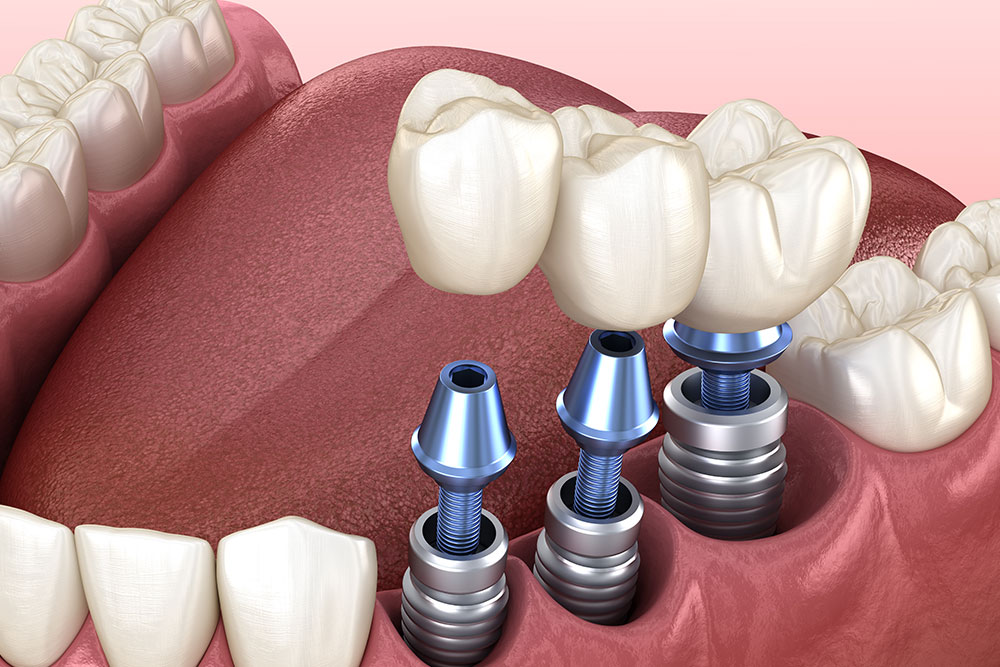 Implants now feature embedded sensors that track pressure, temperature, and bone healing. These smart devices send real-time data to dentists, allowing them to detect potential failures before symptoms appear. Early intervention prevents complications, reducing risks associated with poor healing or excessive stress on the implant. Patients also benefit from personalized insights into their oral health. Wireless technology integrates with mobile apps, providing instant updates on implant stability. Dentists monitor healing remotely, reducing unnecessary visits. This advancement increases implant longevity and ensures optimal function. Smart monitoring helps clinics refine treatment plans based on real patient data, improving success rates.
3D Printing for a Flawless, Custom Implant Fit
Digital dentistry improves implant accuracy by using 3D printing to manufacture patient-specific restorations. Unlike traditional methods, this process creates implants with exact dimensions that match a patient’s anatomy. The precise fit reduces pressure on surrounding tissues and enhances long-term stability. Advanced printing materials mimic natural bone properties, promoting better fusion with surrounding tissue. Dentists design and print implants in-house, cutting down production time. Faster manufacturing means patients receive their restorations sooner without compromising quality. The ability to customize implants improves comfort and function while reducing the need for adjustments.
The Digital Workflow: AI, Robotics, and Virtual Planning
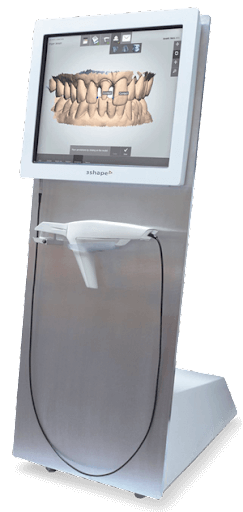
The entire implant process is becoming more connected and predictable thanks to a fully digital workflow. From the initial scan to the final restoration, technology now links every step, creating a seamless path that improves accuracy and efficiency. This integrated approach allows for meticulous planning and execution, reducing chair time and enhancing patient outcomes. For dental practices, this means greater confidence in treatment results and a smoother collaboration with partners. When you submit a digital case, for example, that same data informs every stage of fabrication, ensuring the final product aligns perfectly with your initial plan. This digital thread ensures consistency and precision from start to finish.
This connected system combines several powerful technologies. Artificial intelligence helps create highly accurate treatment plans, while robotics can assist in executing those plans with unmatched precision. Virtual planning allows you to rehearse the entire surgery beforehand, identifying potential challenges in a risk-free environment. Finally, advanced imaging and 3D printing come together to create custom surgical guides that translate the digital plan into a physical reality. Each component builds on the last, creating a workflow that is smarter, faster, and more reliable than traditional methods. This evolution is not just about individual tools; it’s about how they work together to redefine the standard of care in implant dentistry.
AI-Powered Treatment Planning for Predictive Success
Artificial intelligence is transforming treatment planning by turning patient data into predictive insights. AI algorithms analyze information from CBCT scans and digital impressions to recommend the optimal implant placement, size, and angulation for long-term success. By processing complex anatomical details, AI helps identify the best approach to maximize bone support and avoid critical structures. This data-driven process acts as a powerful co-pilot, augmenting your clinical expertise and reducing the potential for human error. The result is a highly personalized and reliable treatment plan tailored to each patient’s unique anatomy, setting the stage for a successful outcome before the procedure even begins.
Robotic-Assisted Surgery for Unmatched Precision
In the operating room, robotics brings a new level of precision to implant placement. Robotic-assisted surgical systems use the AI-generated treatment plan to guide the surgeon’s instruments with incredible accuracy. These systems can ensure the drill follows the exact path, depth, and angle specified in the virtual plan, often with a precision that surpasses the human hand’s capabilities. This technology doesn’t replace the surgeon but rather enhances their skill, acting as a steady guide. This meticulous execution minimizes trauma to surrounding tissues, which can lead to faster healing times and improved patient comfort, making the entire implant process better for patients.
Virtual Surgery Practice for Pre-Operative Confidence
Imagine performing an entire implant surgery before the patient is even in the chair. Advanced software makes this possible, allowing dentists to conduct a complete virtual run-through on a 3D model of the patient’s jaw. This digital rehearsal helps you anticipate and solve potential challenges, such as navigating complex anatomy or dealing with low bone density. You can test different implant positions and surgical approaches to find the most effective strategy. This pre-operative practice builds confidence and ensures the actual surgery is as accurate and efficient as possible, removing guesswork and leading to more predictable results.
From CBCT Scans to 3D-Printed Surgical Guides
The digital workflow comes full circle with the creation of 3D-printed surgical guides. The process starts with a detailed CBCT scan, which provides a comprehensive 3D view of the patient’s bone structure. This digital blueprint is then used to design a custom surgical guide that fits perfectly over the patient’s gums or existing teeth. The guide contains precise channels that direct the surgical drill to the exact location and angle determined during the virtual planning phase. This simple yet powerful tool bridges the gap between the digital plan and the physical procedure, ensuring the implant is placed exactly where it needs to be for optimal function and aesthetics.
New Dental Materials That Work with Your Body
New materials mimic natural bone structure, helping implants integrate more effectively. These biomimetic coatings encourage bone cells to grow around the implant, creating a stronger connection. Better integration reduces the risk of implant failure and shortens healing time. Surface treatments enhance how bone interacts with the implant. Calcium phosphate coatings and bioactive glass stimulate bone regeneration. Some materials even release antimicrobial agents to prevent infections. These advancements give dentists more reliable options for patients with low bone density or slow healing.
Zirconia Implants: The Metal-Free Alternative
Zirconia implants are gaining traction as a metal-free solution for patients with sensitivities or a preference for ceramic restorations. This tooth-colored material offers a significant aesthetic advantage, especially in the anterior region where a gray hue from a metal implant could show through thin gum tissue. Zirconia looks and feels much like a natural tooth, helping patients feel more confident in their smiles. Beyond its appearance, zirconia is also strong and biocompatible, designed to integrate effectively with the jawbone for lasting stability. For dental practices, offering this alternative meets a growing patient demand for holistic and aesthetically focused treatment options. It’s a durable material that supports a wide range of implant-supported restorations, giving you more flexibility in your treatment planning.
Walk Out with a New Tooth on the Same Day
Same-day implants allow patients to leave the clinic with a functional tooth immediately after surgery. Traditional implants require months of healing before placing the final restoration, but immediate loading techniques eliminate this waiting period. The implant anchors securely in the bone, supporting a temporary crown right away. New surface treatments speed up osseointegration, ensuring the implant remains stable under chewing forces. Dentists achieve predictable results with digital planning and guided placement. Immediate loading improves patient satisfaction by reducing treatment time while maintaining long-term success.
Full-Arch Systems like All-on-4
Full-arch restorations are becoming more efficient with systems like All-on-4, which support a complete arch on just four to six implants. This approach simplifies the treatment process, allowing you to restore function much faster for your patients. In many cases, it makes same-day teeth possible, providing a fixed full-arch prosthesis on the day of surgery. This innovative technique significantly improves the patient experience by reducing the long waiting periods traditionally associated with full-mouth reconstructions. It’s an effective and streamlined solution for creating stable and functional hybrid dentures that give patients a renewed sense of confidence almost immediately.
Mini Implants for Specific Clinical Needs
For patients who may not be candidates for traditional implants due to insufficient bone density, mini implants offer a less invasive alternative. These smaller-diameter implants are particularly useful for stabilizing removables, providing a secure fit with minimal surgical intervention. The placement procedure is often less complex and can be completed with a quicker recovery time, making it an attractive option for patients with limited space or those seeking a more comfortable treatment path. Mini implants provide a reliable solution for improving denture stability and function, even in challenging clinical situations.
Nanotechnology Coatings for Stronger, Healthier Implants
Nanotechnology enhances implant surfaces at a microscopic level to increase stability and healing speed. These coatings create a rough texture that encourages bone attachment, leading to stronger integration. This method improves outcomes for patients with low bone density or slow healing. Antibacterial coatings reduce infection risks, preventing complications that lead to implant failure. Some nanomaterials also release controlled amounts of medications to support healing. These innovations make implants more resistant to biological challenges, ensuring a higher success rate for long-term restorations.
Innovations in Healing and Patient Comfort
Beyond the implant itself, new techniques are transforming the patient experience by focusing on faster, more comfortable healing. These advancements help reduce post-operative pain and shorten recovery times, making implant treatment a more appealing option for a wider range of patients. By incorporating biologic boosters and less invasive surgical methods, you can improve clinical outcomes and patient satisfaction. These approaches work with the body’s natural healing processes, creating a more predictable and gentle path to a fully restored smile. The focus is shifting from simply placing an implant to ensuring the entire journey is as smooth as possible for the patient.
Biologic Enhancements: PRGF and UV Light Treatment
To support the body’s natural healing capabilities, many clinicians now use biologic treatments. One popular method involves Plasma Rich in Growth Factors (PRGF), which uses a concentration of the patient’s own plasma to accelerate tissue regeneration. This technique can help speed up healing and encourage new bone and soft tissue growth around the implant site. Another chairside innovation is the use of UV light treatment on the implant surface just before placement. This process is designed to enhance the implant’s efficiency and its ability to integrate with the jawbone, setting the stage for a more stable and successful long-term outcome.
Minimally Invasive Techniques like Flapless Surgery
Surgical techniques are also evolving to be less invasive, which is great news for patients. Flapless surgery, for example, allows for implant placement with much smaller incisions compared to traditional methods. By avoiding the need to create and lift a large tissue flap, this approach significantly reduces post-operative pain, swelling, and discomfort. Patients often experience a much quicker recovery, allowing them to return to their normal routines sooner. This minimally invasive method not only improves patient comfort but can also help preserve the delicate soft tissue and blood supply around the implant area, contributing to better aesthetic results.
Key Patient Considerations for Implant Success
While technology provides the tools for success, the patient remains at the center of every treatment plan. A successful implant outcome depends heavily on proper patient selection, clear communication, and diligent long-term care. Educating patients about their role in the process is just as important as the surgical procedure itself. From identifying the right candidates to managing their expectations and ensuring they understand post-operative responsibilities, these considerations are fundamental. Addressing these factors head-on helps prevent complications and ensures the longevity of the final implant restoration.
Identifying the Ideal Candidate for Dental Implants
The foundation of a successful implant procedure is choosing the right candidate. Generally, an ideal patient has healthy gums and sufficient jawbone density to support the implant. If bone volume is inadequate, they should be open to bone grafting procedures. It’s also important that the patient is in good overall health and is a non-smoker, as smoking can significantly impair healing and increase the risk of implant failure. A thorough evaluation of a patient’s medical history and oral health habits is the first and most critical step in creating a predictable and successful treatment plan.
Debunking Common Myths and Managing Expectations
Many patients arrive for a consultation with preconceived notions about implant surgery, often fueled by misinformation. One of the most common myths is that the procedure is extremely painful. It’s helpful to explain that implant placement is typically a straightforward procedure, and many patients report that it’s less uncomfortable than a tooth extraction. Setting realistic expectations about the timeline, the healing process, and the final outcome is crucial. Clear, honest communication helps build trust and ensures patients are prepared and confident as they begin their treatment journey.
Understanding and Preventing Peri-implantitis
Long-term success requires a commitment to oral hygiene, and a major threat to implant longevity is peri-implantitis. This inflammatory condition, similar to gum disease, affects the tissues around the implant and can lead to bone loss and implant failure. Studies show that peri-implant diseases can affect a significant percentage of patients, making prevention a top priority. Educating patients on proper cleaning techniques and the importance of regular dental check-ups is essential. Proactive care is the best defense against this common complication, ensuring the implant and its restoration last for years to come.
Navigating Treatment Costs and Accessibility
The financial aspect of advanced dental care is a significant consideration for many patients. High-tech implant solutions represent a substantial investment in their long-term health, and insurance coverage can be inconsistent. This reality can create barriers to accessing the most advanced care. As a provider, you can help patients by clearly outlining the total investment and exploring any available payment or financing options. Partnering with an efficient lab for the final restoration can also help manage the overall case expense, making it possible to deliver exceptional quality while being mindful of the patient’s budget.
The Future Horizon: Research and Ethical Discussions
As exciting as these new technologies are, it’s important to approach them with a commitment to evidence-based practice. Many of the most cutting-edge materials and digital tools, such as smart implants or stem cell therapies, are still relatively new. While initial results are promising, the dental community needs more long-term clinical studies to fully validate their safety, effectiveness, and longevity across diverse patient populations. This ongoing research is vital for establishing best practices and ensuring that any new technology we adopt truly offers a superior benefit over existing methods. As professionals, it’s our responsibility to balance innovation with caution, ensuring our treatment recommendations are always grounded in solid scientific evidence for the well-being of our patients.
Partnering with Next Dental Lab for Advanced Implants
Precision and innovation define our approach to innovative dental implant development at Next Dental Lab. We use advanced materials and digital technology to improve patient outcomes and treatment success. Real-time monitoring solutions give dentists valuable insights into implant stability, allowing them to address concerns before they become problems. Our expertise in custom implant manufacturing guarantees a perfect fit for each patient, reducing discomfort and ensuring long-term performance.
Frequently Asked Questions
How do these new technologies actually improve patient outcomes? They primarily enhance predictability and comfort. Digital workflows that use AI and 3D-printed guides allow for incredibly precise implant placement, which reduces surgical time and minimizes trauma. New materials and surface coatings also promote better, faster integration with the bone. This combination leads to quicker healing, a more comfortable recovery, and a highly reliable long-term result for your patients.
Are metal-free options like zirconia as reliable as traditional titanium implants? Zirconia has proven to be a very strong and biocompatible alternative. Its main advantage is aesthetics; its tooth-like color prevents any gray from showing through the gums, which is a great benefit for anterior cases. It integrates well with bone and offers excellent durability for a wide range of restorations, making it a dependable choice for patients who prefer a metal-free solution.
What’s the biggest advantage of a fully digital workflow for my practice? The greatest benefit is the seamless predictability it brings to every case. From the initial scan to the final restoration, every step is connected, which eliminates guesswork and reduces the chance of errors. This integration allows for meticulous virtual planning, leading to more efficient surgeries and better collaboration with your lab. Ultimately, it gives you greater confidence in the final outcome and saves valuable chair time.
How can I help patients understand the long-term care required for these advanced implants? The best approach is to frame it as a partnership in protecting their investment. Explain that while the implant itself is durable, the surrounding tissue needs care just like natural teeth to prevent issues like peri-implantitis. Providing clear, simple instructions on cleaning techniques and stressing the importance of their regular check-ups will empower them to maintain their restoration for years to come.
With same-day restorations, how is long-term stability ensured? The success of immediate loading hinges on meticulous planning and technique. Digital planning helps identify the ideal implant position in the densest bone available to achieve high initial stability. Additionally, advanced implant surfaces are designed to accelerate the osseointegration process. While a temporary crown is placed initially, it’s carefully designed to manage chewing forces while the implant fully integrates, setting the foundation for a durable, long-lasting final restoration.
Key Takeaways
- A digital workflow creates predictable outcomes: Combining AI-powered planning with robotic-assisted surgery and 3D-printed guides ensures greater accuracy and efficiency for every implant case.
- Modern materials support better healing: Incorporate options like zirconia for metal-free aesthetics and use biologic treatments to work with the body’s natural healing process, leading to faster recovery and stronger implants.
- Meet patient demand for immediate results: Use same-day implant techniques and efficient full-arch systems to provide patients with functional restorations right after surgery, which significantly improves their treatment experience.
Related Articles
- New Dental Implant Innovations In 2025 – Next Dental Lab
- Digital Dentistry And Dental Implants: Trends Transforming The Industry – Next Dental Lab
- Dental Implants Archives – Next Dental Lab
- 7 Game-Changing Technologies In Dentistry You Need To Know About – Next Dental Lab
- 5 Key Trends in Modern Dental Technology