A practice’s efficiency isn’t usually lost in one major event, but rather drained away by dozens of small, everyday inefficiencies. Think about the minutes spent searching for supplies, the time lost re-entering patient data into different systems, or the delays caused by a bottleneck in the sterilization area. While minor on their own, these moments add up to significant lost chair time, frustrated staff, and diminished profitability. Tackling these issues requires a clear strategy. This guide provides a practical roadmap for dental practice workflow optimization, helping you map out your current processes, pinpoint hidden bottlenecks, and implement proven solutions. We’ll walk through how to streamline everything from patient check-in to lab case submission, turning those small drains into sources of strength for your practice.
Dentistry requires both precision and efficiency to deliver the best patient care. A well-organized practice does not just move faster; it works smarter. Improving efficiency in your dental practice means creating a balance between patient comfort, staff productivity, and clinical outcomes. From technology adoption to workspace design, each small improvement can lead to smoother workflows, less stress, and better results for patients and the dental team.
Identifying Common Workflow Bottlenecks in Your Practice
Before you can improve your practice’s workflow, you first need to understand where the slowdowns are happening. Every dental office is different, but many face similar hurdles that disrupt the daily schedule and add unnecessary stress for both staff and patients. Taking a clear-eyed look at your current processes is the essential first step toward creating a more streamlined and productive environment. These bottlenecks often hide in plain sight, embedded in the routines you perform every day, from the moment a patient walks in the door to the final steps of their treatment. Pinpointing these specific areas of friction is the key to making meaningful, lasting improvements.
From the Front Desk to the Treatment Room
Workflow issues can pop up anywhere, but they are most common at key transition points in the patient journey. According to dental practice consultants at Prosphire, “Common slowdowns happen at the front desk, in sterilization rooms, and in treatment rooms.” Think about the typical path a patient takes. It often starts with a pile of paperwork at the front desk, which can immediately put you behind schedule. In the back, a disorganized sterilization process can create delays between appointments. And in the treatment room, relying on old-fashioned impressions not only takes up valuable chair time but also introduces the risk of inaccuracies that require time-consuming remakes.
Overcoming Common Operational Hurdles
These individual slowdowns often point to a larger issue. As one review in the European Society of Medicine notes, “Many dental offices don’t have good systems for managing how they operate, leading to long patient wait times, empty dental chairs when they could be used, bad scheduling, and slowdowns in office tasks.” When there isn’t a clear, standardized process for daily operations, chaos can easily take over. This results in frustrated patients waiting too long, valuable production time lost to empty chairs, and a stressed-out team trying to manage a constantly shifting schedule. Addressing these operational hurdles requires a systemic approach rather than just quick fixes.
Proven Methods for Improving Practice Efficiency
Once you’ve identified the problem areas, you can start exploring proven strategies to fix them. Improving efficiency isn’t about making people work harder; it’s about giving them smarter systems to work within. Methodologies like Lean Six Sigma and Design Thinking, which are used by some of the world’s most successful companies, can be adapted to fit the unique environment of a dental practice. These frameworks provide a structured way to analyze your processes, eliminate waste, and build a workflow that truly serves your team and your patients. This leads to better outcomes and a more positive work environment for everyone involved in your practice.
Using Lean Six Sigma to Systematically Remove Waste
Lean Six Sigma is a powerful methodology focused on systematically removing “waste”—any step or action that doesn’t add value for the patient. This could be wasted time, materials, or effort. The European Society of Medicine highlights its effectiveness, stating that “Lean tools can cut down delays by 20-40% and increase how many patients a practice can see each day by 15-25%.” For a dental practice, this could mean reorganizing your supply closet so materials are always within reach, or refining your scheduling template to minimize downtime. By focusing on eliminating these inefficiencies, you create a smoother, more predictable workflow that benefits the entire team.
Solving Problems with a Design Thinking Approach
While Lean Six Sigma is about process, Design Thinking is about people. This approach encourages you to solve problems by deeply understanding the needs of your patients and staff. As Prosphire explains, “Design Thinking is a way to solve problems by really understanding what people (like patients and staff) need.” Instead of just implementing a new technology, you would first talk to your team about their daily frustrations. This collaborative, empathetic approach ensures that the solutions you develop are not only effective but are also eagerly adopted by the people who will use them every day, fostering a culture of innovation and teamwork.
A Step-by-Step Guide to Optimizing Your Workflow
Knowing the theories is one thing, but putting them into practice is what creates real change. This step-by-step guide will walk you through the process of transforming your dental practice’s workflow from the ground up. By following these actionable steps, you can methodically break down your current operations, identify opportunities for improvement, and implement lasting solutions. This isn’t a quick fix but a sustainable path to creating a more efficient, less stressful, and more profitable practice. Let’s get started on building a better workflow together, one clear step at a time.
Step 1: Map Your Current Processes
You can’t fix what you can’t see. The first step is to visualize every single process in your practice. Grab a whiteboard or some sticky notes and, as Prosphire suggests, “Draw out each step to see how things flow and where they might get stuck.” Map out the entire patient journey, from the initial phone call to the final payment. Document your lab case submission process, your instrument sterilization routine, and your inventory management system. Be as detailed as possible. This visual map will serve as your blueprint, giving you a clear overview of how work currently gets done in your office and where the opportunities lie.
Step 2: Identify Inefficiencies and Bottlenecks
With your process map complete, it’s time to play detective. Go through each step and look for the problem areas. As the team at Slack recommends, you should “Look for places where work slows down, like too many approvals or repeated tasks.” Are there steps where information is frequently lost? Does your team have to enter the same patient data in multiple systems? Is there a specific time of day when the front desk always gets overwhelmed? Circle these bottlenecks on your map; they are your primary targets for improvement and the focus of your optimization efforts.
Step 3: Set Clear and Achievable Goals
Once you know what’s broken, you need to define what “fixed” looks like. Setting clear, measurable goals is crucial for success. Instead of a vague goal like “improve scheduling,” aim for something specific, such as “reduce patient wait times by 30% in the next quarter.” Slack’s guide to workflow optimization advises that you “Decide what you want to achieve… and assign someone to be in charge of each improvement.” This creates accountability and gives your team a clear finish line to work toward, making the entire process more focused and effective from the start.
Step 4: Streamline and Remove Redundant Steps
Now it’s time to start trimming the fat from your processes. Look at your workflow map and ask a simple question for each step: “Is this absolutely necessary?” Your goal is to “Remove any steps that don’t add value or are duplicated.” For example, if your new patient forms ask for the same information on three different pages, consolidate it. If a process requires multiple sign-offs when one would suffice, simplify it. Every redundant step you eliminate is a small victory that saves time and reduces the chance for error, contributing to a much leaner and more efficient operation.
Step 5: Automate Repetitive Tasks
Many of the administrative tasks that consume your team’s day are perfect candidates for automation. Think about appointment reminders, patient intake forms, and post-visit follow-up surveys. These are routine, predictable tasks that software can handle flawlessly. By choosing to “use computers to do tasks that are routine and predictable,” you free up your staff’s time and mental energy. This allows them to focus on higher-value activities, like providing exceptional face-to-face service to the patients in your office and managing more complex clinical duties that require their expertise.
Step 6: Choose the Right Tools and Technology
The right technology can be a game-changer for your workflow. This includes everything from your practice management software to your clinical equipment. When you go digital with an intraoral scanner, for instance, you eliminate the time and material costs associated with traditional impressions. This also means choosing partners who can support your technology. A modern, digitally-focused dental lab can integrate seamlessly with your scanner, which can lead to faster turnaround times for restorations like crowns and bridges and improved overall accuracy. The key is to pick tools that fit your team’s needs and work well together to create a cohesive system.
Step 7: Monitor, Adjust, and Continuously Improve
Workflow optimization is not a one-and-done project; it’s an ongoing commitment to improvement. After you’ve implemented changes, you need to “Keep track of how well your new workflows are working.” Are you hitting the goals you set in Step 3? Get regular feedback from your team. What’s working well? What new bottlenecks have appeared? This continuous loop of implementation, monitoring, and adjustment ensures that your practice doesn’t just become efficient but stays efficient, adapting and evolving to meet new challenges and opportunities over time.
Get Your Team in Sync with Clear Communication
 In many practices, time is lost through unclear or inconsistent communication. Misunderstood instructions or misplaced lab cases can slow down treatment delivery. Creating structured communication channels helps every team member stay informed and accountable. For example, using shared digital schedules and task boards allows front-desk staff, hygienists, and dentists to stay aligned throughout the day. Consistent case tracking, especially when coordinating with your lab, saves time and reduces rework.
The Role of Leadership in Fostering an Efficient Culture
An efficient practice culture starts with strong leadership. It’s about more than just managing schedules; it’s about inspiring your team and creating an environment where everyone is committed to improvement. Leaders who set clear expectations, define roles, and encourage open communication find that their staff is more productive and patient experiences improve. A positive culture directly impacts everything from appointment times to the practice’s overall success. When your team feels heard and valued—especially when making decisions about new tools or refining how you connect with your lab—they become active participants in the practice’s growth. This collaborative approach ensures that everyone, from the front desk to the clinical team, is aligned and working toward the same goals.
Design a Smarter, More Efficient Treatment Room
An efficient dental practice begins with a logical setup. Treatment rooms should be designed for easy access to tools, materials, and patient records. Small adjustments such as positioning instruments within easy reach or arranging supplies by procedure type can shorten treatment time and improve comfort for both the patient and the clinician. Investing in ergonomic chairs and adjustable lighting supports long-term productivity by reducing physical fatigue and improving precision during procedures.
Analyzing Your Space with Workflow Mapping
To truly understand where your practice can improve, you need to see how it currently operates. Workflow mapping is a simple but powerful technique for this. It involves visually charting every step of a specific process, from a patient checking in to the completion of a procedure. By drawing out the path a patient, a team member, or even a lab case takes, you can identify bottlenecks, redundant steps, and areas where time is consistently lost. You might discover that your dental assistants spend too much time walking back and forth for supplies or that the sterilization area is a constant traffic jam.
Start with one key process, like preparing and sending a digital impression. Map out every action: booting up the scanner, prepping the patient, taking the scan, reviewing the data, and finally, submitting the file. This exercise often reveals small but significant inefficiencies that add up over the day. Refining this process ensures that when you send digital cases to your lab partner, they are clean and accurate, which helps prevent delays and ensures a smooth workflow from your chair to the final restoration. This clear, visual data gives you the insight needed to make targeted changes that have a real impact on your practice’s efficiency.
Speed Up Your Workflow with Digital Dentistry
Digital records, 3D scanning, and design software are transforming modern dentistry. These tools minimize manual data entry, reduce human error, and make case handling more predictable. For instance, digital impressions can be transferred directly to your lab, speeding up production and improving fit accuracy. When integrated with trusted dental lab products, digital systems help maintain quality and consistency across every restoration. They also allow practices to review past cases quickly and make informed adjustments when needed.
Choosing the Right Practice Management Software: Cloud vs. Server
Managing daily operations, from scheduling to billing, can create significant administrative drag. The software you use is the backbone of your practice’s workflow. Traditional server-based systems, housed physically in your office, can be limiting. They often require costly hardware, IT support for maintenance, and disruptive manual updates. If the server goes down, your entire operation can halt. In contrast, cloud-based practice management software offers a more flexible and resilient solution. It runs on secure online servers, meaning you can access it from anywhere with an internet connection. Updates happen automatically in the background, and the subscription-based model avoids a large initial investment, making it a more scalable option as your practice grows.
Leveraging Automation for Administrative Tasks
Many administrative tasks that consume your team’s valuable time can be automated. Implementing technology to handle repetitive duties not only saves time but also significantly reduces the chance of human error. For example, automated systems can manage appointment reminders, which has been shown to improve patient attendance by up to 40%. Digital intake forms, automated insurance verification, and streamlined billing processes can also cut down on paperwork and free up your front-desk staff. This allows them to focus on what truly matters: providing an excellent patient experience from the moment someone walks through the door. By automating these routine tasks, you create a more efficient and less stressful environment for your entire team.
Essential Digital Tools for a Modern Practice
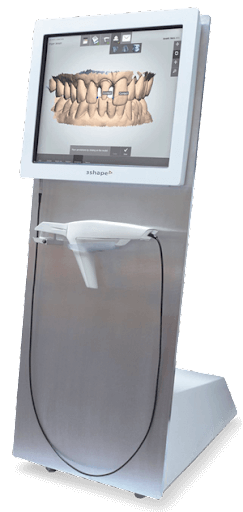
Beyond management software, specific clinical tools are key to a streamlined workflow. Digital X-rays provide instant, high-quality images, while Electronic Health Records (EHRs) make patient information securely accessible to your entire team. One of the most impactful advancements is the intraoral camera. These devices allow you to capture detailed 3D images of a patient’s mouth, eliminating the need for messy and time-consuming physical impressions. The best part? You can send digital impressions directly to your lab, which speeds up the fabrication of crowns, bridges, and implants. This seamless digital connection not only shortens turnaround times but also improves the accuracy and fit of the final restoration, leading to better clinical outcomes and happier patients.
Prevent Downtime with a Simple Maintenance Plan
Downtime caused by equipment issues can disrupt an entire day’s schedule. Regular maintenance routines prevent unexpected breakdowns and extend the life of tools and machinery. Assigning specific team members to oversee cleaning, calibration, and inspection helps maintain accountability. Keeping a clean, organized lab and operating space promotes safety and supports a professional image that patients notice and appreciate.
Measuring What Matters: KPIs for Your Practice
You can’t improve what you don’t measure. Key Performance Indicators (KPIs) are the specific metrics that give you a clear, data-driven view of your practice’s health. Think of them as your dashboard for success, helping you track progress and identify areas that need attention. By focusing on the right numbers, you can move beyond guesswork and make informed decisions that strengthen both your operational flow and financial stability. Monitoring these indicators helps you understand everything from daily patient scheduling to long-term profitability, ensuring your practice runs as smoothly as possible while delivering exceptional care. It’s about working smarter, not just harder, to achieve your goals.
Operational KPIs to Monitor
Operational KPIs show you how well your practice functions day-to-day. Start by tracking metrics like chair utilization to see if you’re making the most of your available space and time. Other important numbers include patient wait times, room turnover speed, and average appointment duration, as these directly impact patient satisfaction and team productivity. You should also monitor your treatment acceptance rate to gauge how effectively you communicate value to patients. Finally, keep an eye on recall effectiveness and no-show rates, as these reflect patient loyalty and the efficiency of your scheduling system. Consistently reviewing these figures helps you pinpoint bottlenecks and refine your processes for a more seamless patient experience.
Financial Health and Revenue Cycle Management (RCM)
A healthy practice needs a solid financial foundation, and that’s where Revenue Cycle Management (RCM) comes in. RCM is the entire process of managing claims, payments, and revenue generation. Key components include verifying insurance eligibility before appointments, using accurate billing codes, and automating claim submissions to reduce errors. It’s also crucial to have a system for analyzing and addressing claim denials promptly. When your RCM is optimized, you’ll see improved collections, faster payments, and fewer rejected claims. Partnering with a lab that supports digital case solutions can also contribute by ensuring accurate case submissions, which helps streamline insurance approvals and maintain a healthy revenue cycle.
Designing a Patient-Centered Workflow
An efficient workflow is ultimately about creating a better patient experience. When every step of the process is designed with the patient’s comfort and needs in mind, everything else tends to fall into place. This starts with clear, consistent communication from the moment they book an appointment to their follow-up care. A patient-centered approach also means offering easy scheduling options, creating a comfortable and welcoming office environment, and minimizing wait times. When patients feel respected and well-informed, they are more likely to trust your recommendations, accept treatment, and become loyal advocates for your practice. This focus on the patient journey builds a strong foundation for sustainable growth.
Transparency is another cornerstone of a patient-centered workflow, especially when discussing treatment plans and financial arrangements. Providing clear information helps build trust and empowers patients to make confident decisions about their care. This positive experience is reinforced when clinical outcomes meet their expectations. Working with a reliable lab partner ensures that restorations, like high-quality crowns and bridges, are delivered on time and with a precise fit, reducing the need for follow-up adjustments and extra appointments. A smooth clinical process, supported by dependable partners, completes the patient-centered experience and solidifies your practice’s reputation for excellence.
Is Your Dental Lab a True Partner?
A dependable lab relationship can transform daily operations. Fast turnaround times, consistent quality, and transparent communication all contribute to smoother case management. When labs understand your workflow and preferences, they can help optimize case planning and reduce adjustments or remakes. Collaborating with a lab that uses modern fabrication methods and traceable materials keeps your results reliable and predictable, which directly impacts practice efficiency.
Cut Chair Time with Modern Restorative Materials
Using advanced dental implants and modern restorative materials can cut chair time and improve patient outcomes. Products designed for precision and longevity reduce post-procedure complications, leading to fewer follow-up visits. Selecting materials that align with patient needs while fitting into your lab’s digital workflow helps sustain both quality and speed.
Streamline Your Practice with a Reliable Lab Partner
Here at Next Dental Lab, we understand that efficiency in your dental practice depends on reliable partners. Our team works closely with dentists to deliver accurate, traceable, and FDA-approved restorations that fit seamlessly into your workflow.
Frequently Asked Questions
This seems like a lot of work. What’s the most practical first step I can take? The best way to start is to focus on a single, specific process. Instead of trying to overhaul your entire practice at once, choose one area that you suspect is causing delays. A great starting point is mapping the journey of a lab case, from the moment you take a digital scan to when you receive the final restoration. This small-scale exercise will help you see the optimization process in action and build momentum for bigger changes.
How can I convince my team to adopt new workflows without causing resistance? Change is easier when your team understands the “why” behind it. Start by involving them in the conversation. Ask them about their daily frustrations and what they think could be improved. When you introduce a new process or tool, frame it as a solution to those specific problems, not just another task. When your team feels heard and sees how the changes will make their jobs less stressful, they are much more likely to embrace them.
What’s one digital tool that offers the most significant improvement to workflow? If you’re looking for the biggest impact, investing in an intraoral scanner is a great choice. It fundamentally changes your restorative workflow by eliminating the need for physical impressions, which saves time, materials, and shipping costs. Sending a digital file directly to your lab partner shortens turnaround times and, because the scans are so precise, it can significantly reduce the need for adjustments and remakes.
How do I measure the success of these changes without getting lost in data? You don’t need to track dozens of metrics. Pick two or three key performance indicators (KPIs) that directly relate to the problem you’re trying to solve. For example, if your goal is to reduce chair time for crown appointments, track the average appointment length before and after your changes. If you want to improve patient satisfaction, monitor your no-show rate. Focusing on a few key numbers will give you a clear picture of what’s working.
How does my choice of a dental lab impact my practice’s efficiency? Your dental lab is a direct extension of your practice, and their workflow has a major effect on yours. A reliable lab partner with a streamlined digital submission process, consistent turnaround times, and clear communication can prevent major bottlenecks. When you can depend on your lab to deliver accurate restorations on schedule, you avoid the delays and patient rescheduling that come with remakes or late cases. This partnership is fundamental to a smooth and predictable workflow.
Key Takeaways
- Visualize your workflow to pinpoint bottlenecks: Start by mapping out every step in your key processes, from patient check-in to lab submissions. This simple exercise makes it easy to spot redundant tasks, delays, and other inefficiencies that drain time from your day.
- Embrace technology that frees up your team: Implement digital tools like automation software for administrative duties and intraoral scanners for clinical work. This reduces manual errors and gives your staff more time to focus on high-value tasks and patient care.
- Align your team and lab for consistent outcomes: True efficiency comes from clear communication, both internally and with your partners. A reliable, digitally-integrated dental lab supports your workflow, helping you deliver precise restorations on time and reduce chair-side adjustments.