Think of choosing an abutment like choosing between an off-the-rack suit and a tailored one. Both serve the same basic function, but the differences in fit, finish, and final appearance are significant. Stock abutments are mass-produced in predetermined sizes, offering a convenient but often imperfect solution. Custom abutments, on the other hand, are designed for one specific patient and one specific site in the mouth. This article answers the question, what is a custom abutment, by detailing how this patient-centric approach addresses the limitations of a standard component, leading to superior functional and aesthetic results that both you and your patients will appreciate for years to come.
Key Takeaways
- Create a Natural Foundation for Aesthetics and Health: A custom abutment is designed to match the patient’s specific gum contours, promoting healthier tissue and providing the ideal base for a seamless, natural-looking final crown.
- Solve Complex Cases with Precision: Use custom abutments to correct for angled implant placement, manage varied tissue depths, and create a predictable path of insertion, giving you full control over challenging clinical situations.
- Invest in Long-Term Success and Patient Care: The precise fit of a custom abutment allows for ideal cement margin placement and simplifies patient hygiene, significantly reducing the risk of future complications and ensuring a more durable restoration.
What Is a Custom Abutment?
When it comes to dental implants, the final restoration’s success often hinges on the small but mighty components that connect everything. One of the most critical pieces in this puzzle is the abutment. While stock abutments have been a long-standing option, custom abutments offer a patient-specific solution that can make all the difference in the final outcome, both functionally and aesthetically.
Understanding the nuances between these options is key to delivering the best possible results for your patients. A custom abutment is precisely what it sounds like: a component designed and fabricated for an individual patient’s unique anatomy. This personalized approach moves beyond the one-size-fits-all model, allowing for a more natural emergence profile and optimal support for the final crown. Let’s look at the specific role of the abutment and what sets a custom solution apart.
The Abutment’s Role in Dental Implants
Think of the abutment as the crucial link in the implant chain. It’s the connector piece that joins the dental implant, which is surgically placed in the jawbone, to the final restoration—the crown that everyone sees. This component sits at the gumline, supporting the new tooth and shaping the surrounding soft tissue.
The abutment’s job is twofold: it secures the crown to the implant fixture and helps create a natural-looking transition from the gum tissue to the tooth. A well-designed abutment ensures the final restoration is stable, comfortable, and aesthetically pleasing. Its precise fit is essential for the long-term health of the implant and the surrounding gums, making it a foundational element for a successful case.
Custom vs. Stock: Understanding the Core Differences
Abutments generally fall into two categories: stock and custom. Stock abutments are prefabricated by implant manufacturers in a range of standard sizes and shapes. They are an off-the-shelf solution that can work for straightforward cases. However, because they aren’t made for a specific patient, they often require adjustments and can lead to compromises in the final fit and appearance.
Custom abutments, on the other hand, are fabricated in a dental laboratory based on a detailed impression or digital scan of the patient’s mouth. This process ensures the abutment perfectly matches the patient’s implant position and gum contour. This tailored fit provides superior support for the soft tissue and helps create a more seamless, natural-looking restoration compared to what is often achievable with stock options.
How Do Custom Abutments Differ From Stock Abutments?
When choosing between custom and stock abutments, you’re essentially deciding between a tailored suit and one bought off the rack. While both serve the same basic function, the differences in fit, manufacturing, and final appearance are significant. Stock abutments are mass-produced in predetermined sizes and shapes, offering a convenient and cost-effective solution. However, they often require modifications to the patient’s soft tissue to achieve a decent fit.
Custom abutments, on the other hand, are designed and fabricated for one specific patient and one specific site in the mouth. This patient-centric approach addresses the limitations of a one-size-fits-all component, leading to superior functional and aesthetic results. By understanding the key distinctions, you can make the best clinical decision for your patient’s long-term oral health and satisfaction. Let’s break down exactly how they compare.
Achieve a Precise, Personalized Fit
The most significant advantage of a custom abutment is its ability to conform perfectly to the patient’s anatomy. Because they are specially made for each person, custom abutments are crafted to precisely match the patient’s unique gum shape and the specific emergence profile of their implant. This eliminates the guesswork and tissue manipulation often needed with stock options. Instead of altering the patient’s gingiva to fit the component, the component is made to fit the gingiva. This personalized fit helps create a tight seal at the gum line, which is crucial for preventing bacteria from accumulating and for supporting long-term tissue health around the dental implant.
Compare the Manufacturing Processes
The creation of a stock abutment is straightforward: they are mass-manufactured in standard sizes. The process for a custom abutment is far more advanced and individualized. Custom abutments are designed using sophisticated technology, such as 3D intraoral scanning and CAD/CAM software, to create a component with an exact fit. At a lab like Next Dental, we use your digital scans to design an abutment that considers the implant’s depth, angle, and surrounding tissue contours. This digital workflow allows for incredible precision, ensuring the final abutment provides optimal support for the crown and promotes a healthy, stable connection between the implant and the restoration.
Create Natural, Aesthetic Outcomes
Aesthetics are paramount, especially in the anterior region. Custom abutments consistently deliver better aesthetic results because they support the gum tissue just like a natural tooth would. This allows for a final crown with a much more natural-looking shape and emergence from the gums. A well-designed custom abutment helps create a gum line that is virtually indistinguishable from that of a natural tooth, improving both the look and the cleanability of the restoration. By controlling the shape and contour of the abutment, you can prevent issues like tissue discoloration or the dreaded graying at the gum line that can sometimes occur with stock components, ensuring a beautiful, seamless final smile for your patient.
What Are the Benefits of Using Custom Abutments?
When you’re planning an implant case, choosing the right components is everything. While stock abutments can work in straightforward situations, custom abutments offer a suite of advantages that can significantly improve the final outcome for your patients. Think of it as the difference between a standard solution and a truly personalized one. By tailoring the abutment to the patient’s specific anatomy, you create a foundation for a restoration that is more aesthetic, healthier, and built to last.
The benefits extend beyond just a better-looking tooth. A custom abutment supports the surrounding soft tissue, promotes long-term stability, and even makes daily hygiene easier for the patient. These factors contribute to a higher success rate and greater patient satisfaction, reinforcing your practice’s reputation for providing top-tier care. Partnering with a lab that specializes in high-quality dental implants and custom components ensures you can consistently deliver these superior results.
Enhance Aesthetics for a Seamless Smile
One of the most compelling reasons to choose a custom abutment is the ability to achieve a truly natural-looking result, especially in the aesthetic zone. Because each abutment is designed and milled for a specific patient and site, it can perfectly replicate the emergence profile of a natural tooth. This means the transition from the implant to the crown is seamless, with no awkward angles or visible metal collars at the gumline.
This level of personalization allows you to create restorations that blend flawlessly with the patient’s existing teeth. The precise fit ensures the final crown is positioned correctly, supporting the soft tissue for a beautiful, harmonious smile. By using digital case solutions, we can capture every detail of the patient’s anatomy to fabricate an abutment that delivers on this aesthetic promise.
Promote Healthy Gum Tissue Contours
A custom abutment does more than just support a crown; it supports the health of the surrounding gingiva. Its design is tailored to the unique contours of the patient’s soft tissue, providing the ideal shape and pressure to maintain the natural scalloped architecture of the gums. This prevents the tissue from collapsing or receding over time, which is a common concern with ill-fitting stock components.
By creating a more favorable biological environment, custom abutments help ensure the long-term health and stability of the peri-implant tissues. This proper tissue management is critical for the longevity of the implant and the overall aesthetic success of the restoration. It’s a proactive step that helps your patient’s smile look and feel healthy for years to come.
Improve Long-Term Stability and Success
The precise fit of a custom abutment is key to the long-term success of the entire implant system. By distributing chewing forces evenly across the implant, it reduces stress on both the fixture and the final restoration. This optimized load distribution minimizes the risk of mechanical complications like screw loosening or fracture, which can lead to costly and time-consuming repairs.
This improved stability translates directly to a higher success rate for your implant cases. When the components work together in perfect harmony, the entire structure is stronger and more resilient. Investing in a custom abutment from the start provides a solid foundation that protects the patient’s investment and gives you confidence in the durability of your work.
Simplify Patient Cleaning and Maintenance
Patient compliance with home care is a huge factor in the long-term success of dental implants. Custom abutments make this much easier. Because they create a smooth, continuous surface from the implant to the crown, there are no ledges or gaps where plaque and bacteria can accumulate. This eliminates food traps and makes it simpler for patients to effectively clean around the implant with standard brushing and flossing.
When patients can easily maintain their oral hygiene, the risk of peri-implantitis and other complications drops significantly. By providing a restoration that is easy to care for, you empower your patients to protect their new smile and ensure its health and beauty for the long haul.
What Materials Are Used for Custom Abutments?
Choosing the right material for a custom abutment is a critical step that directly impacts the final restoration’s strength, appearance, and longevity. The decision isn’t one-size-fits-all; it depends on the specific clinical situation, including the implant’s location in the mouth, the patient’s bite force, and aesthetic expectations. For every case, you’re balancing the need for robust durability with the desire for a natural, seamless look. Fortunately, modern dental materials offer excellent options that cater to a wide range of needs.
From the proven strength of titanium to the beautiful aesthetics of zirconia, you have the flexibility to select a material that ensures the best possible outcome for your patient’s dental implants. Understanding the unique properties of each material will help you make an informed choice that supports both functional success and patient satisfaction. The primary options—titanium, zirconia, and hybrid combinations—each bring distinct advantages to the table. Whether you’re restoring a molar that requires maximum resilience or a central incisor where aesthetics are paramount, there’s a material designed to meet the challenge. Let’s look at these materials more closely to see how their properties align with different clinical goals.
Titanium for Unmatched Strength
When durability is the top priority, titanium is the undisputed champion. Custom abutments are often made from titanium due to its high strength, corrosion resistance, and biocompatibility, making it a preferred choice in dental implant applications. This material has a long and successful track record in dentistry for good reason. Its incredible strength makes it ideal for posterior restorations, where it can easily withstand the heavy occlusal forces of chewing. The biocompatibility of titanium also ensures it integrates well with surrounding tissues, providing a stable and reliable foundation for the final crown. For cases where function and long-term resilience are the primary concerns, titanium remains the gold-standard material.
Zirconia for Superior Aesthetics
For restorations in the aesthetic zone, zirconia is the material of choice. Zirconia is favored for its excellent aesthetic properties, providing a natural appearance that closely resembles the color of natural teeth, making it ideal for visible areas. Its tooth-colored nature prevents the dark, gray shadow that can sometimes appear at the gumline with metal abutments, especially in patients with thin gingival tissue. This makes it perfect for anterior teeth where a seamless, lifelike result is essential. Beyond its beauty, zirconia is also a strong, biocompatible ceramic, ensuring the restoration is not only attractive but also durable and well-tolerated by the body. It’s the go-to for achieving truly undetectable implant restorations.
Hybrid Options for a Combined Solution
Why choose between strength and aesthetics when you can have both? Hybrid abutments offer a brilliant solution by combining the best features of titanium and zirconia. These abutments can be made from a hybrid of titanium and zirconia, combining the strength of titanium with the aesthetic benefits of zirconia. Typically, this involves a titanium base that ensures a precise and durable connection to the implant fixture, paired with a custom-milled zirconia top. This design provides the robust foundation needed for long-term stability while delivering the superior, tooth-colored aesthetics required for a natural-looking gumline. This approach is particularly useful for creating beautiful and resilient implant-supported restorations in any area of the mouth.
What Is the Custom Abutment Creation Process?
Creating a custom abutment is a meticulous process that blends clinical skill with advanced laboratory technology. It’s a collaborative effort designed to produce a component that is perfectly tailored to your patient’s unique anatomy. From the initial scan to the final quality check, every step is focused on achieving a precise fit, ideal tissue support, and a beautiful final restoration. This process ensures the abutment seamlessly connects the implant to the crown, providing a stable and esthetic foundation for years to come. It’s about moving beyond a one-size-fits-all approach and delivering a truly personalized solution.
The journey begins in your office with detailed data capture and ends in our lab with the fabrication of a high-precision component. Understanding these stages helps clarify why custom abutments offer such a significant advantage over stock options. By leveraging digital workflows, labs can create abutments that manage tissue, correct implant angulation, and provide the perfect base for a natural-looking crown. The entire workflow is designed for predictability and excellence, giving you and your patient confidence in the final result. At Next Dental Lab, we’ve streamlined this process to make submitting your digital cases simple and efficient, ensuring a smooth handoff from your chair to our technicians.
Digital Scanning and Impression Taking
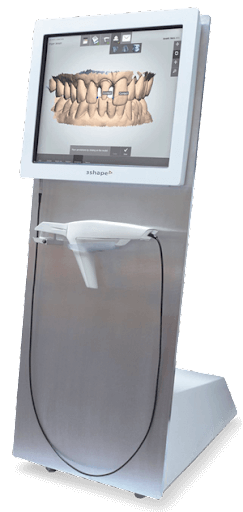
The foundation of any successful custom abutment is accurate data. This first step involves capturing a detailed record of the patient’s intraoral environment, including the exact position, depth, and orientation of the implant, as well as the contours of the surrounding soft tissue. While traditional PVS impressions are still an option, intraoral digital scanners have become the gold standard for this task. Digital scanning provides an incredibly precise 3D model of the treatment area, eliminating the distortions that can occur with physical impressions. This accurate data is the blueprint for everything that follows, ensuring the final abutment will fit perfectly. You can easily connect your scanner with our lab to get started.
CAD/CAM Laboratory Fabrication
Once the digital scan is received, the magic happens in the lab using CAD/CAM technology. First, a skilled technician uses Computer-Aided Design (CAD) software to design the abutment directly on the 3D model. This software allows for complete control over every detail, from the emergence profile that shapes the gums to the precise margin placement for the final crown. After the design is finalized and approved, it’s sent to the Computer-Aided Manufacturing (CAM) stage. A sophisticated milling machine then fabricates the abutment from a solid block of high-quality material, like titanium or zirconia, executing the digital design with micron-level accuracy. This technology is what makes truly patient-specific dental implants possible.
Precision Testing and Quality Control
Before a custom abutment leaves the lab, it undergoes a rigorous quality control process. This final check ensures that the component you receive is exactly what you and your patient need. Our technicians meticulously inspect the finished abutment, verifying that its dimensions match the digital design perfectly. We check the fit of the abutment with an implant analog to guarantee a passive and secure connection. The margins are also carefully examined to ensure they will support the final restoration without any gaps or ledges. This commitment to quality is a core part of our mission and ensures that every case meets the highest standards for function, fit, and long-term success.
What Does the Placement Process Involve?
Placing a custom abutment and the final restoration is a meticulous, multi-stage process that combines surgical precision with restorative artistry. Each step builds on the last, working toward a final result that is stable, functional, and aesthetically pleasing. Understanding this workflow helps set clear expectations for both you and your patient, ensuring a smooth journey from implant placement to the final, confident smile. It’s about creating a foundation that supports not just a crown, but long-term oral health.
The Surgical Placement Procedure
The process begins with the surgical placement of the dental implant fixture into the patient’s jawbone. This titanium post acts as the root for the new tooth, creating the essential groundwork for the entire restoration. Following the procedure, the most critical phase begins: osseointegration. This is the biological process where the implant fuses directly with the surrounding bone, creating a strong and stable anchor. This healing period is patient-specific but typically requires several months to ensure the implant is fully integrated and ready to support the forces of biting and chewing.
Healing and Tissue Integration
Once osseointegration is complete, the focus shifts from bone to soft tissue. The abutment is attached to the implant, and this is where a custom design truly shines. A custom abutment is specifically milled to match the patient’s anatomy, guiding the gingiva to heal and form a natural-looking emergence profile. It essentially trains the gum tissue to contour around the restoration just as it would a natural tooth. This careful tissue management is key to avoiding the dark lines or unnatural shapes that can occur with stock components, setting the stage for a seamless final result.
Attaching the Final Restoration
With the implant secure and the soft tissue perfectly contoured, you’re ready for the final step: seating the crown. The custom abutment provides an ideal foundation, allowing you to place the crown’s margin exactly where it needs to be for the best aesthetic outcome and for easy patient cleaning. Because the abutment is designed to create a natural shape for the gum tissue, the final crown or bridge blends seamlessly with the surrounding teeth. This final touch completes the restoration, delivering a functional and lifelike tooth that your patient can be proud of.
When Should You Choose a Custom Abutment?
Deciding between a stock and a custom abutment isn’t always straightforward, but certain clinical situations clearly call for a personalized approach. While stock abutments can be effective for simple, non-demanding cases, a custom abutment offers the precision needed to manage complex variables and achieve superior results. Think of it as the difference between an off-the-rack suit and a tailored one—both serve a purpose, but one is crafted to fit perfectly.
Choosing a custom abutment allows you to control the final outcome with a much higher degree of accuracy. From managing soft tissue to correcting implant angulation, a custom solution is designed to address the unique anatomy of each patient. This tailored approach is often the key to achieving optimal aesthetics, function, and long-term stability for your dental implant cases. Let’s look at the specific scenarios where a custom abutment is the clear choice.
For Cases in the Aesthetic Zone
When you’re working on an implant in the anterior region, aesthetics are paramount. A patient’s front teeth are on full display, and any slight imperfection can be noticeable. This is where custom abutments truly shine. Because they are designed for a specific patient, they create a much more natural emergence profile, guiding the gingival tissue to form a contour that mimics a natural tooth. This eliminates the risk of the flat, unnatural gum line that can sometimes occur with stock abutments. Furthermore, using a material like zirconia for the abutment prevents any gray metal from showing through thin gum tissue, ensuring a beautiful, seamless final result.
To Address Complex Anatomical Challenges
Not every implant placement is perfectly ideal. You may face challenges like angled implant placement due to bone structure, variations in tissue depth, or adjacent teeth that limit your options. In these situations, a stock abutment simply won’t do. Custom abutments are fabricated to match the patient’s unique implant and gum shape, allowing you to correct for angulation and create a proper path of insertion for the final crown. This precise fit supports the surrounding gum tissue exactly where it needs it, promoting better soft tissue health and stability. By using digital case solutions, you can create an abutment that solves these anatomical puzzles with incredible accuracy.
To Meet Specific Patient Needs
Beyond aesthetics and anatomy, custom abutments help you deliver a better long-term outcome for your patients. One of the most significant advantages is the ability to control the cement margin. With a custom abutment, you can place the margin just below the gumline—deep enough to be hidden but shallow enough for you to confidently clean away all excess cement. This drastically reduces the risk of retained cement, a leading cause of peri-implantitis. The precise fit achieved through advanced technology like 3D scanning also ensures the entire restoration is stable and built to last, giving your patient a functional and durable solution they can rely on for years.
What Are the Challenges of Custom Abutments?
While custom abutments offer significant advantages for patient outcomes, it’s important to consider the practical aspects of incorporating them into your treatment plans. These aren’t roadblocks, but rather factors to plan for to ensure a smooth process for both your practice and your patients. By understanding the timeline, cost, and technical requirements, you can set clear expectations from the start and confidently explain the value of this personalized approach. Managing these elements effectively is key to leveraging the full potential of
Factoring in Fabrication Time
One of the primary considerations is the additional time required for fabrication. Unlike off-the-shelf stock abutments, custom abutments are created specifically for each patient. This meticulous process involves digital scanning, detailed design work, and precision milling, which naturally extends the overall treatment timeline. It’s crucial to communicate this schedule to your patients upfront to manage their expectations effectively. Partnering with a lab that has a streamlined digital workflow can help minimize turnaround time, but building this extra step into your treatment plan is essential for a seamless patient experience.
Understanding the Cost Difference
The personalized nature of custom abutments also means they come at a higher price point than their stock counterparts. The advanced technology and skilled labor required for individual fabrication contribute to this increased cost. While stock abutments might be a more budget-friendly initial option, the investment in a custom abutment often translates to better long-term value through superior aesthetics, tissue health, and stability. Explaining this trade-off helps patients understand why the higher upfront cost for dental implants with custom components can prevent more complex and costly issues down the road.
The Need for Technical Precision
Achieving a successful outcome with a custom abutment hinges on absolute technical precision. Each abutment must be designed to fit the patient’s unique gingival contours and implant position perfectly. There is no room for error, as even a minor misalignment can lead to complications like soft tissue inflammation, difficulty with hygiene, or even implant failure. This is why working with a highly skilled dental lab is so critical. The lab’s expertise in digital design and manufacturing ensures the final product integrates flawlessly, providing the foundation for a durable and esthetically pleasing restoration.
Common Misconceptions About Custom Abutments
Custom abutments offer a superior solution for many implant cases, but a few common myths can cause hesitation. When you’re weighing the options for your patients, it’s important to separate fact from fiction. Let’s clear up some of the most frequent misunderstandings surrounding treatment time, cost, and overall performance so you can make the best clinical decisions for your practice and your patients.
By looking past these initial assumptions, you can see the clear, long-term advantages that custom abutments bring to the table, from patient satisfaction to the final restoration’s durability.
Treatment Time Expectations
One of the biggest concerns dentists have is that choosing a custom abutment will significantly extend the treatment timeline. While it’s true that custom abutments aren’t sitting on a shelf ready to ship, the fabrication time is an investment in precision. Each one is specially designed in a dental lab to perfectly match your patient’s unique gum shape and emergence profile. This tailored approach often leads to a smoother, more predictable seating of the final crown, potentially saving you valuable chair time during the final delivery appointment. Modern digital workflows have also streamlined the process, making the turnaround faster than ever.
Cost vs. Long-Term Value
It’s no secret that custom abutments have a higher upfront cost than their stock counterparts. However, focusing solely on the initial price tag misses the bigger picture of long-term value. Stock abutments are a one-size-fits-all solution that can lead to aesthetic compromises, especially in the anterior region. A poorly contoured abutment can result in unnatural-looking gums or visible metal margins. Choosing a custom solution for your dental implants minimizes the risk of remakes and patient dissatisfaction, protecting your chair time and your practice’s reputation. Investing in a custom solution often proves more cost-effective when you factor in patient satisfaction and long-term clinical success.
Assumptions About Fit and Functionality
There’s a lingering idea that a stock abutment is “good enough” for most cases. But “good enough” doesn’t always lead to the best outcomes. Custom implant abutments consistently provide a better fit against the implant, creating an ideal foundation for the final restoration. This precise fit helps support the gum tissue just like a natural tooth would, promoting healthier soft tissue contours and making it easier for patients to clean around the implant. This superior design allows for a more natural-looking crown and bridge shape, ensuring the final result is both beautiful and functional for years to come.
Related Articles
- Understanding The Differences: Custom Implant Abutments Vs. Stock – Next Dental Lab
- Ti-Base Abutments in Dental Implants: Complete Guide – Next Dental Lab
- A Pro’s Guide to Dental Implant Screw Types
Frequently Asked Questions
How do I decide which material is best for my patient’s case? The decision really comes down to location and function. For posterior teeth that handle heavy chewing forces, titanium is an incredibly reliable choice due to its proven strength. When you’re working in the aesthetic zone, zirconia is ideal because its tooth-like color prevents any graying at the gumline. If you want the best of both worlds, a hybrid abutment with a titanium base and a zirconia top gives you both rock-solid durability and a beautiful, natural look.
Are custom abutments only necessary for teeth in the aesthetic zone? While they are absolutely essential for achieving beautiful results on front teeth, their benefits are just as important throughout the entire mouth. In the posterior, a custom abutment creates a better emergence profile that supports healthy gum tissue and makes cleaning much easier for the patient. This improved hygiene and tissue health is critical for the long-term success of any implant, regardless of its location.
Is the extra cost and time for a custom abutment really worth it? It’s helpful to think of it as an investment in predictability and long-term value. A custom abutment reduces the risk of aesthetic compromises, patient dissatisfaction, and complications from issues like retained cement. The precise fit can also save you valuable chair time during the final delivery. While the initial cost is higher, it often prevents more expensive problems and remakes down the line, protecting both your patient’s investment and your practice’s reputation.
What’s the most important information the lab needs to create a perfect custom abutment? A high-quality digital scan is the most critical piece of the puzzle. We need a clear and accurate scan that captures the implant’s exact position, depth, and angulation, along with the detailed contours of the surrounding soft tissue. Including a scan of the opposing arch and the bite registration ensures the final design will have the proper function and fit within the patient’s overall occlusion.
My practice still uses PVS impressions. Can I still order custom abutments? Absolutely. While digital scans offer incredible precision, we can certainly work from a high-quality PVS impression. The key is to ensure the impression is void-free and accurately captures all the necessary details of the implant and the surrounding soft tissue. If you’re considering making the switch to digital, we can help guide you through the process of connecting your scanner to our lab for a more streamlined workflow.