
For patients considering a full-arch restoration, the cost is often a primary concern. However, the true value of a dental implant lies in its longevity and performance over time. The discussion around acrylic vs. zirconia dental implants is a perfect example of balancing upfront cost with long-term investment. Acrylic prosthetics present a lower initial price point, making them an accessible option for many. Yet, zirconia’s superior durability often translates to fewer repairs and replacements, making it a more economical choice in the long run. This article explores the total cost of ownership for both materials, providing the insights you need to guide patients toward a financially sound and clinically superior decision.
Acrylic Vs. Zirconia dental implants offer different benefits based on aesthetics, durability, and patient comfort. Dentists and orthodontists must consider several factors when choosing the right material for long-term success. Acrylic implants offer affordability and ease of customization, making them a practical option for some cases. However, zirconia stands out for its strength, natural look, and biocompatibility. The right choice depends on patient needs, oral health, and long-term goals. Let’s explore the key differences between these two materials to help you decide which best suits your patients.
Understanding the Materials: Composition and Construction
When choosing between acrylic and zirconia, it helps to start with the basics: what are they actually made of? The composition of each material directly influences its strength, appearance, and ideal use in restorative dentistry. One is a time-tested combination of resin and metal, while the other is a modern, high-strength ceramic. Understanding how they are constructed is the first step in deciding which option will deliver the best results for your patient’s specific clinical needs and personal expectations.
Acrylic Implants: PMMA Resin and Titanium
When we talk about acrylic implants, we’re typically referring to restorations made from a durable plastic called PMMA resin, often reinforced with a titanium bar for stability. This combination has been a reliable choice in dentistry for a long time, primarily because it’s a lighter and more cost-effective option. These prosthetics are custom-fabricated to fit your patient’s mouth precisely, making them a popular choice for temporary restorations immediately following surgery. For full-arch cases, like hybrid dentures, the acrylic-over-titanium structure provides a functional and aesthetic solution that balances performance with affordability, making it an accessible option for many patients.
Zirconia Implants: Solid Ceramic Strength
On the other end of the spectrum, we have zirconia. Zirconia restorations are crafted from zirconium dioxide, an incredibly strong, metal-free ceramic. Think of it as having the strength of metal with the aesthetics of porcelain. This material is celebrated for its exceptional durability and resistance to chipping, cracking, and staining, which is why it’s often considered the gold standard for permanent dental implant restorations. Its natural translucency allows it to mimic the appearance of real teeth beautifully, providing a seamless and lifelike smile. Because of its biocompatibility and robust nature, zirconia is an excellent choice for patients seeking a premium, long-term solution that requires minimal maintenance.
Which Implant Looks More Natural: Acrylic or Zirconia?
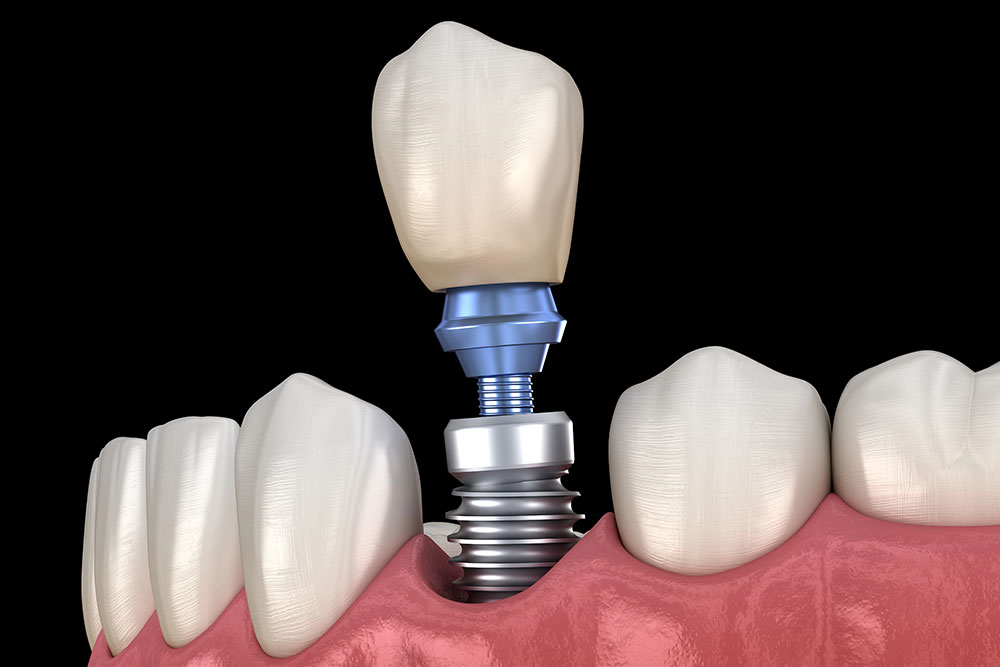 Acrylic dental implants provide a basic aesthetic that can match natural teeth when properly customized. However, they tend to lose their polish over time, requiring frequent adjustments to maintain their appearance. Their surface may stain more easily, which can impact the long-term visual appeal for patients concerned about aesthetics. Although acrylic offers color flexibility, it does not fully replicate the translucency of natural enamel. Zirconia implants excel in mimicking the look of natural teeth. Their ceramic structure allows for a smooth, stain-resistant surface that maintains its brightness. Patients seeking the most realistic appearance benefit from zirconia’s ability to reflect light similarly to natural enamel. Unlike acrylic, zirconia does not require frequent refinishing, making it an attractive option for those who want long-lasting aesthetics.
Is Acrylic or Zirconia Better for Sensitive Patients?
Acrylic implants contain polymers that can trigger mild allergic reactions in some patients. The material is more porous than zirconia, which can lead to bacterial accumulation if not properly maintained. Patients with sensitivities may experience gum irritation or inflammation, making acrylic less suitable for those with heightened biocompatibility concerns. Zirconia is a metal-free, hypoallergenic option that reduces the risk of allergic reactions. Its biocompatibility makes it ideal for patients with sensitivities or those who prefer a non-metal alternative. The smooth surface of zirconia discourages plaque buildup, supporting healthier gums and better oral hygiene. Patients with autoimmune conditions or gum issues often find zirconia implants a safer and more comfortable solution.
Which Dental Implant Lasts Longer?
Acrylic implants offer a cost-effective solution but require more frequent replacements due to wear. They are more prone to chipping and fractures, especially for patients with strong bite forces. Regular maintenance is necessary to keep them in good condition, and adjustments may be required over time to ensure a comfortable fit. While acrylic provides short-term affordability, its long-term durability does not match that of zirconia. Zirconia implants provide long-lasting durability with minimal maintenance. Their strong ceramic composition resists fractures, making them suitable for patients who need a robust restoration. Unlike acrylic, zirconia does not degrade over time, reducing the need for frequent replacements. Patients benefit from fewer visits for adjustments, leading to long-term success and improved satisfaction.
Plaque Resistance and Oral Health
When considering long-term oral health, a material’s resistance to plaque is a critical factor. Acrylic, being a more porous material, can create a surface where bacteria accumulate more easily. This requires diligent cleaning from the patient to prevent potential gum irritation and other hygiene-related issues. Over time, the porous nature can also lead to staining and odor retention if not perfectly maintained. In contrast, zirconia’s non-porous, solid surface is a significant advantage. As Aria Dental Care notes, zirconia “doesn’t attract bacteria or plaque as much, which can lower your risk of gum disease.” This makes it easier for patients to maintain their restorations and supports better overall gum health, reducing the likelihood of inflammation around the implant site.
Strength and Durability: A Head-to-Head Comparison
For any full-arch restoration, strength is non-negotiable. Patients expect a solution that allows them to eat, speak, and smile with total confidence, without worrying about chips, cracks, or fractures. The material you choose directly impacts the restoration’s ability to withstand the daily forces of chewing and grinding. While both acrylic and zirconia are used successfully in dental prosthetics, their structural properties are vastly different. Zirconia is renowned for its exceptional toughness and resistance to wear, making it a top choice for permanent, long-lasting restorations. Acrylic, while more flexible, simply doesn’t offer the same level of resilience, which has important implications for the lifespan of the prosthesis and the need for future repairs.
Flexural Strength by the Numbers
The numbers tell a clear story about the difference in strength between these two materials. Flexural strength measures a material’s ability to resist breaking under pressure—a key indicator of how it will perform under chewing forces. According to data from Nuvia Smiles, acrylic has a flexural strength of around 101 megapascals (MPa). Zirconia, on the other hand, boasts a flexural strength between 900 and 1200 MPa. This means zirconia is approximately nine to twelve times stronger than acrylic. This immense difference in strength is why zirconia can handle the toughest foods without the risk of fracture, providing a level of security that is difficult to achieve with acrylic hybrids.
Expected Lifespan and Replacement Needs
The superior strength of zirconia directly translates to a longer lifespan for the restoration. An acrylic hybrid prosthesis often requires significant maintenance and may need to be repaired or completely replaced every five to seven years due to wear, chipping, or fractures. This means more appointments and long-term costs for the patient. In contrast, zirconia full-arch prosthetics are built to last. As Stubbs Dental reports, these restorations have a survival rate of over 95% after 10 years. By choosing a durable material like zirconia for your dental implants, you provide patients with a reliable, long-term solution that minimizes the need for future interventions.
The Patient Experience: Feel, Function, and Maintenance
Beyond the clinical specifications, the patient’s daily experience is arguably the most important measure of a successful restoration. How the prosthesis feels in their mouth, how it functions when they eat, and how easy it is to care for are all critical factors that shape their satisfaction. The choice between acrylic and zirconia has a profound impact on each of these areas. While both can restore function, zirconia often provides an experience that more closely mimics natural teeth, from its solid feel to its resistance to stains and odors. This focus on the patient’s quality of life is essential when guiding them toward the best material for their needs.
In-Mouth Feel and Comfort
Patients often report a significant difference in how acrylic and zirconia restorations feel. Acrylic can sometimes feel bulky or “plastic-like,” which may take some getting used to. Because it’s a softer material, it doesn’t provide the same solid sensation as natural teeth. Zirconia, however, is milled from a solid block of ceramic, giving it a density and weight that feels remarkably similar to natural dentition. As Nuvia Smiles highlights, “Zirconia teeth feel solid and stable, more like natural teeth.” When custom-fitted, this solid construction provides a secure and comfortable feeling, allowing patients to adapt more quickly and forget they even have a prosthesis.
Impact on Chewing and Diet
A patient’s ability to enjoy their favorite foods is a huge factor in their overall happiness with a dental restoration. With acrylic hybrids, patients may need to be cautious with very hard or sticky foods to avoid damaging the prosthesis. This can lead to dietary restrictions and a constant sense of worry. Zirconia’s incredible strength removes these limitations. According to Stubbs Dental, “Zirconia is strong enough for tough chewing. You can eat many different foods, like steak and apples, with confidence.” This freedom to eat without fear is a life-changing benefit that gives patients back a simple pleasure they may have been missing for years.
Daily Cleaning and Odor Resistance
Ease of maintenance is another key area where zirconia shines. Its non-porous surface is highly resistant to staining from coffee, tea, or wine, and it doesn’t absorb odors. This makes daily cleaning simple and effective, helping the prosthesis stay fresh and bright. As we’ve noted in previous articles, “Its smooth surface helps prevent plaque buildup, leading to healthier gums.” Acrylic, being more porous, is more susceptible to staining and can retain odors if not cleaned meticulously. For patients, the low-maintenance nature of zirconia means less worry about discoloration and a cleaner, more hygienic feel day after day.
Common Clinical Applications
In clinical practice, the choice between acrylic and zirconia often comes down to the specific application and treatment timeline. Neither material is a one-size-fits-all solution; instead, each has a distinct role where its properties are most advantageous. Acrylic’s affordability and ease of modification make it an excellent choice for temporary or transitional phases of treatment. Zirconia, with its superior strength and aesthetics, is the definitive material for final, permanent restorations. Understanding when and why to use each material allows you to optimize treatment plans for predictable, successful outcomes that meet both clinical goals and patient expectations.
Acrylic for Temporary Restorations
Acrylic finds its ideal role in temporary restorations, particularly during the healing phase of full-arch implant treatments. For example, as ClearChoice points out, “Acrylic is often used for the temporary bridge during the healing phase of All-on-4.” During this period, which can last several months, the patient needs a functional and aesthetic provisional prosthesis while osseointegration occurs. Acrylic is perfect for this because it is cost-effective, lightweight, and easy to adjust or repair as the gum tissue heals and changes. It serves as an excellent placeholder, allowing patients to function comfortably before they receive their final, more durable restoration.
Zirconia for Final, Permanent Solutions
Once the healing phase is complete and the implants are fully integrated, zirconia is the premier choice for the final restoration. Its durability, biocompatibility, and lifelike aesthetics make it the gold standard for a permanent solution that patients can rely on for decades. As we’ve discussed at Next Dental Lab, “Zirconia implants are seen as a better long-term investment.” Whether you are crafting hybrid dentures or a full-arch bridge, zirconia provides the strength and beauty required for a definitive prosthesis. It represents the final step in the patient’s journey, delivering a smile that is both beautiful and built to last.
Comparing the Costs: An Investment in Longevity
The financial aspect of full-arch restorations is a significant consideration for every patient. It’s important to frame the conversation not just around the initial price tag but also around the concept of long-term value. Acrylic and zirconia sit at different price points, and each comes with its own set of financial implications over time. While acrylic offers a lower barrier to entry, zirconia often proves to be the more economical choice when you factor in its extended lifespan and reduced need for repairs. Helping patients understand this trade-off is key to managing their expectations and ensuring they feel confident in their investment.
Upfront Cost Per Arch
There is a clear difference in the initial investment required for acrylic versus zirconia restorations. According to Nuvia Smiles, an acrylic hybrid prosthesis typically costs between $15,000 and $20,000 per arch. This lower upfront cost makes it a more accessible option for patients with budget constraints. In comparison, a zirconia restoration is more expensive, generally ranging from $20,000 to $30,000 per arch. While this initial outlay is higher, it’s crucial to explain that this price reflects the advanced material, complex milling process, and the superior longevity and durability that come with it.
Long-Term Value and Repair Costs
The upfront savings of acrylic can be misleading when you consider the total cost of ownership over many years. Because acrylic is more prone to wear and fractures, patients should anticipate costs for repairs and eventual replacement. Over a decade, these expenses can add up significantly. Zirconia, however, provides exceptional long-term value. As ClearChoice notes, “Zirconia is more expensive upfront but provides better long-term value due to its longevity.” By investing in a stronger, more durable material from the start, patients can avoid the recurring costs and appointments associated with maintaining a weaker prosthesis, making it a wiser financial decision in the long run.
Are There Other Options? A Look at PFM
While acrylic and zirconia dominate the conversation around full-arch restorations, it’s worth remembering other materials that have long served dentistry well, such as Porcelain Fused to Metal (PFM). PFM restorations consist of a metal substructure covered by a layer of porcelain, offering a blend of strength from the metal and aesthetics from the porcelain. According to ClearChoice, PFM “offers a good balance of strength and looks, but has some aesthetic drawbacks.” The primary issue is the potential for the metal margin to become visible as a dark line at the gumline, especially if gum recession occurs. While still a viable option for crown and bridge cases, all-ceramics like zirconia have largely surpassed PFM for high-end aesthetic and biocompatible solutions.
Why Michigan Dentists Choose Us for Zirconia Implants
Strong, natural-looking implants improve patient satisfaction and long-term success. Zirconia dental implants offer a durable, biocompatible solution that enhances both function and aesthetics. Patients benefit from a metal-free option that resists staining and maintains its strength over time. Next Dental Lab offers high-quality restorations to support long-term oral health while delivering precision and comfort. Dental implant specialists in Michigan trust our team at Next Dental Lab to fabricate zirconia and acrylic restorations with superior accuracy. We manufacture crowns, bridges, dentures, and full-arch solutions using cutting-edge technology. Our competitive pricing keeps treatments affordable without compromising quality. Work with us to deliver the best results for your patients.
Frequently Asked Questions
How can I explain the higher upfront cost of zirconia to my patients? It helps to frame the conversation around long-term value rather than just the initial price. Explain that while acrylic has a lower entry cost, it often requires repairs and will likely need a full replacement within five to seven years. Zirconia, on the other hand, is a one-time investment in a permanent solution. The higher initial cost covers a material that is far more durable, resistant to damage, and won’t need replacing, ultimately saving them money and time in the dental chair down the road.
Is an acrylic hybrid ever the right choice for a final restoration? While zirconia is the superior material for a permanent restoration, acrylic can be a practical final choice for patients with strict budget limitations. It provides a functional and aesthetic solution that restores their smile. The key is to set clear expectations from the start, ensuring the patient understands that the material has a shorter lifespan and will require more maintenance and an eventual replacement compared to a zirconia arch.
My patient is a heavy grinder. How does that impact the material choice? For a patient with bruxism, zirconia is the most reliable option. Its incredible flexural strength, which is about ten times that of acrylic, is specifically designed to withstand the intense forces of grinding and clenching without fracturing. An acrylic restoration would be at a very high risk for chipping, cracking, or significant wear, leading to a cycle of frequent and frustrating repairs for the patient.
What should I tell my patients about the long-term maintenance for each material? You can tell them that zirconia is quite low-maintenance. Its smooth, non-porous surface resists stains and doesn’t harbor bacteria, so daily cleaning is straightforward and effective. Acrylic, being more porous, requires more diligent care. Patients will need to be meticulous with their cleaning to prevent staining, odor retention, and potential plaque buildup that could irritate their gums.
How does the in-mouth feel of zirconia compare to acrylic? Patients often report that zirconia feels remarkably similar to their natural teeth. It’s milled from a solid block, giving it a dense, stable, and smooth feel. Acrylic restorations can sometimes feel lighter and more “plastic-like” in the mouth. While functional, they don’t typically provide that same solid, natural sensation that helps patients adapt so quickly and comfortably to their new smile.
Key Takeaways
- Choose Zirconia for Final Restorations: With strength that is nine to twelve times greater than acrylic, zirconia is the definitive material for a permanent, fracture-resistant prosthesis. This durability ensures a reliable, long-term outcome that minimizes future repairs.
- Zirconia Creates a Better Patient Experience: Patients often report that zirconia feels more solid and natural than acrylic. Its non-porous surface also resists stains and bacteria, making it easier for patients to maintain and supporting better overall gum health.
- Explain Long-Term Value Over Upfront Cost: While acrylic has a lower initial price, zirconia is often the more economical choice over the life of the restoration. Guiding patients to see the investment in durability helps them avoid the recurring costs and appointments associated with future repairs.
Related Articles
- Acrylic Vs. Zirconia Dental Implants: Which Material Is Best For Your Patients? – Next Dental Lab
- Zirconia in Dentistry: The Surprising History Behind It
- Zirconia Crown Vs. Porcelain: Which Is Best For Your Patients’ Needs? – Next Dental Lab
- Zirconia Crowns Problems: Dentist Guide to Fix Issues
- Zirconia Crown Cementation: Best Practices for Dentists