
Choosing the right dental veneer option for patients presents a significant decision for dental offices and licensed dentists. You consistently aim to deliver optimal aesthetic and functional outcomes that truly meet individual needs. Understanding the distinct characteristics of composite vs. porcelain veneers allows for precise recommendations. This knowledge helps you empower patients to select the ideal solution for their smile enhancement goals. ## First Things First: What Are Dental Veneers? ### What They Are and What They’re Made Of
The conversation about veneers always leads to a critical choice: composite or porcelain? This decision shapes the entire treatment plan, from your chair time to the patient’s final bill. The composite vs. porcelain veneers debate is central to cosmetic dentistry. Will you be the artist, directly sculpting composite resin in one visit? Or the architect, prepping for masterfully crafted porcelain from a lab? Understanding the distinct workflows, the difference in composite vs porcelain veneers price, and how to explain each option clearly is essential for achieving stunning, predictable results for your patients.
Porcelain Veneers
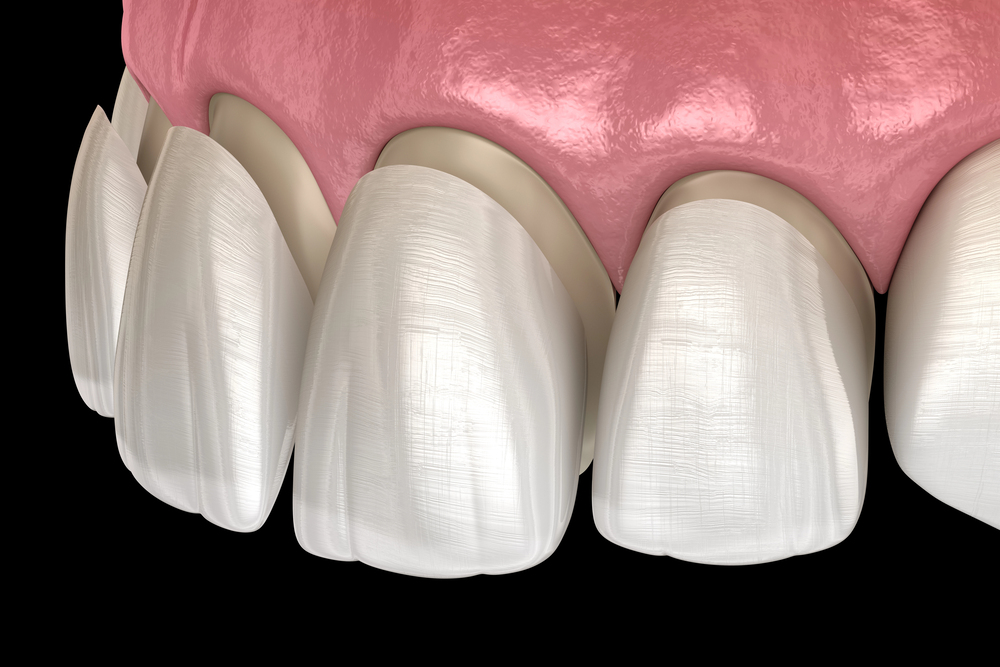
Porcelain veneers are the premium choice for a durable, natural-looking smile. These high-quality ceramic shells are custom-fabricated in a lab for a precise fit and seamless aesthetic. A reliable lab partner is crucial, which is why we specialize in crafting exceptional crown and bridge restorations to your exact specifications. Porcelain is highly stain-resistant and can last 10 to 20 years with proper care, making it an excellent long-term investment for your patients seeking a flawless finish.
Composite Resin Veneers
For a more immediate and budget-friendly solution, composite resin veneers are an excellent option. This direct technique involves sculpting a tooth-colored resin onto the tooth in a single visit. Since there’s no lab work, the cost is lower and less tooth preparation is needed. The trade-off is durability; composite veneers typically last five to seven years and are more prone to staining than porcelain. They are a great choice for patients seeking a quick cosmetic improvement or who are not yet ready for the commitment of porcelain.
### A Look at the Cosmetic Issues Veneers Fix
Veneers are a highly versatile solution, allowing you to address multiple cosmetic concerns with a single treatment. Their ability to correct a wide range of aesthetic issues makes them a valuable tool in your practice. You can confidently recommend veneers to patients looking for a comprehensive fix for problems that might otherwise require more invasive procedures, including:
- Discolored Teeth: For intrinsic stains that whitening can’t fix.
- Chipped or Cracked Teeth: To restore a tooth’s original shape and strength.
- Uneven or Oddly Shaped Teeth: To create a more uniform and harmonious smile.
- Gaps Between Teeth: To close diastemas without orthodontic treatment.
- Slightly Crooked Teeth: For an “instant orthodontics” effect on minor misalignments.
- Worn-Down Teeth: To rebuild lost structure and create a more youthful look.
Composite vs. Porcelain Veneers: Which Are More Durable?
Limitations of Composite for Severe Cosmetic Issues
While composite veneers are an excellent choice for minor cosmetic fixes, they have limitations when it comes to more significant dental challenges. For patients presenting with severe issues, the properties of composite resin may not be sufficient. For example, the material can struggle to completely mask very dark stains or effectively close large gaps between teeth. Furthermore, composite is more porous than porcelain, making it more prone to staining from things like coffee, tea, and tobacco. This, combined with its shorter lifespan of about five to seven years, means it might not be the most durable or aesthetically stable solution for patients seeking a dramatic, long-term transformation. Guiding patients with these more complex needs toward a more robust material is often the best course of action.
Breaking Down the Cost: Porcelain vs. Composite Veneers
The financial investment required for porcelain veneers stands considerably higher than the cost associated with composite veneers. Porcelain veneers involve laboratory fabrication and specialized materials, which contribute to their increased price point. Conversely, composite veneers offer a more budget-friendly alternative, making them accessible to a wider range of patients. Dentists discuss these cost variations openly with patients, helping them determine the best option that aligns with their financial considerations. Always present transparent pricing information to facilitate informed decision-making.
Typical Cost Per Tooth
When discussing options with patients, the per-tooth cost is often a primary concern. Generally, porcelain veneers represent a higher upfront investment, with prices typically ranging from $900 to $2,500 per tooth. This cost reflects the custom fabrication process in a dental lab and the high-quality ceramic material used. In contrast, composite veneers are a more affordable initial option, usually costing between $250 and $1,500 per tooth. The lower price is due to the direct application of the resin material in your office, which eliminates lab fees and requires less appointment time. Clearly outlining these price points helps patients understand the financial commitment involved with each choice.
Will Insurance Cover Veneers?
A frequent question from patients is whether their dental insurance will help with the cost. In most cases, the answer is no. Veneers are typically classified as a cosmetic procedure, and as a result, they usually aren’t covered by dental insurance. It’s important to set this expectation early in the consultation process. While there might be rare exceptions where a veneer is deemed medically necessary to restore a tooth’s function, this is not the norm. Preparing your staff to discuss payment plans or third-party financing can be a great way to help patients manage the out-of-pocket expense and move forward with the smile they desire.
Calculating the Long-Term Investment
While composite veneers have a lower initial cost, it’s crucial to frame the decision as a long-term investment for your patients. Porcelain veneers, though more expensive at the outset, offer superior durability and can last 10 to 15 years or even longer with proper care. Composites, on the other hand, may need to be replaced every five to seven years. When you break down the cost over the expected lifespan, the annual investment for porcelain can be comparable to that of composites. This perspective helps patients see beyond the initial sticker price and appreciate the lasting value and resilience of high-quality lab-fabricated restorations.
The Treatment Process: What to Expect with Each Veneer Type
The preparation time and treatment process for porcelain veneers usually involve multiple dental appointments. Dentists prepare the teeth by removing a small amount of enamel, take impressions, and then temporarily bond the veneers. Patients return for a second visit when the custom-made porcelain veneers arrive from the dental laboratory for final bonding. Composite veneers typically require only a single office visit since dentists directly apply and sculpt the material onto the tooth surface. This direct application method provides a faster and more immediate aesthetic transformation for patients.
The Porcelain Veneer Workflow
The journey to placing porcelain veneers is a multi-step, collaborative process that requires precision both in your office and at the dental lab. Unlike direct composites, this indirect technique involves at least two patient appointments. The first visit is dedicated to meticulous planning and preparation, while the second focuses on the final placement of the custom-crafted restorations. This workflow ensures a highly customized and durable result, but it’s important to set clear expectations with patients regarding the time commitment and the permanent nature of the procedure before you begin.
Tooth Preparation and Impressions
The first clinical appointment is foundational to the success of porcelain veneers. You’ll begin by preparing the teeth, which involves removing a thin layer of enamel from the tooth surface. This step is crucial as it creates space for the veneer, ensuring it sits flush with the surrounding teeth for a natural appearance. Once the teeth are prepared, you’ll take highly accurate impressions. Many modern practices now use digital scanners to capture these impressions, which can improve accuracy and patient comfort. These detailed digital files or physical molds are then sent to a dental laboratory to guide the fabrication process.
Lab Fabrication and Temporaries
After you send the impressions, the dental lab technicians take over. At a lab like Next Dental Lab, skilled technicians use your precise models to craft each veneer individually, paying close attention to shade, shape, and translucency to match the patient’s smile. This fabrication process typically takes a couple of weeks. In the meantime, you will place temporary veneers on the patient’s prepared teeth. These temporaries protect the underlying tooth structure and provide an esthetic preview. Once the final porcelain restorations are complete and returned to your office, the patient comes in for their final bonding appointment.
The Composite Veneer Workflow
The process for placing composite veneers is fundamentally different from porcelain, offering a more immediate solution that is completed entirely in your hands. This direct technique is often called “dental bonding” and is typically finished in a single appointment. Because you are sculpting the material directly onto the tooth, the procedure relies heavily on your clinical artistry and skill. It eliminates the need for a dental lab and temporary restorations, making it a convenient option for patients seeking a quick and effective cosmetic improvement for minor imperfections.
The Chairside Application Process
During a composite veneer appointment, you are both the clinician and the artist. The process begins with selecting the perfect shade of composite resin to match the patient’s natural teeth. After lightly etching the tooth surface to ensure a strong bond, you apply the putty-like resin in layers. You then skillfully sculpt and shape the material to create the desired form. A special curing light is used to harden each layer before the next is applied. The final step involves carefully polishing the composite to a high shine, creating a seamless and natural-looking finish that blends perfectly with the rest of the smile.
Repairability and Reversibility: Key Differences
When discussing long-term maintenance with patients, the differences in repairability and reversibility are critical. Composite veneers offer a significant advantage in that they are easily repairable. If a composite veneer chips or stains, you can often fix it by simply bonding new composite material over the affected area. In contrast, porcelain is not repairable; a chipped or broken porcelain veneer must be completely replaced with a new one from the lab. This distinction has important implications for the long-term cost and convenience for the patient.
The reversibility of the treatment is another major point of differentiation. Because composite veneers often require minimal to no enamel removal, the procedure is generally considered reversible. If a patient decides to remove them, their natural tooth underneath is largely intact. The porcelain veneer process, however, is permanent. The necessary removal of enamel means the teeth will always require some form of coverage, whether it’s new veneers or crowns. This permanent commitment is a crucial factor for patients to understand before they decide to proceed with treatment.
Which Veneers Look More Natural?
Porcelain veneers consistently deliver superior aesthetic results and closely mimic the natural appearance of tooth enamel. Their translucent quality reflects light similarly to natural teeth, providing an incredibly lifelike and radiant smile. Composite veneers, while offering good aesthetic improvements, may not achieve the same level of translucency and natural luster as porcelain. Patients seeking the most seamless and aesthetically pleasing transformation often prefer the highly refined look that porcelain veneers provide. Discuss these visual differences clearly with your patients during their consultation.
How to Care for Your Veneers (and Which Type Stains Less)
Porcelain veneers exhibit excellent stain resistance due to their non-porous surface, meaning they maintain their bright appearance for many years. Patients find it easy to keep porcelain veneers looking pristine with regular brushing and flossing. Composite veneers, on the other hand, are more susceptible to staining from common foods and beverages like coffee, tea, and red wine. Patients using composite veneers need to be more diligent with their oral hygiene and perhaps consider professional cleanings more frequently. Emphasize these distinct maintenance requirements during patient education.
Daily Maintenance Tips for All Veneers
Educating patients on proper maintenance is key to ensuring the longevity of their new smile, regardless of the material chosen. Consistent oral hygiene is the foundation of veneer care. Advise patients to stick to a routine of regular brushing and flossing to prevent plaque from accumulating around the veneer margins and to maintain healthy gums. For patients who choose porcelain, you can highlight the material’s non-porous surface as a major advantage. With proper care, these high-quality cosmetic restorations resist stains and can maintain their brightness for many years, making them a durable and low-maintenance option for a lasting, beautiful smile.
Keeping Composite Veneers Stain-Free
While composite veneers offer a fantastic aesthetic solution, they do require a bit more diligence from the patient to keep them looking their best. It’s important to set clear expectations about their susceptibility to staining from common culprits like coffee, tea, and red wine. Empower your patients by teaching them proactive care. Stress the importance of meticulous brushing and flossing immediately after consuming staining foods or drinks. Scheduling regular professional cleanings is also crucial for polishing the surface and removing any extrinsic stains that have developed. This guidance helps patients take ownership of their results and keeps their composite veneers looking fresh and vibrant for years.
Which Veneer Is Right for Your Lifestyle?
Considering a patient’s individual lifestyle and their long-term aesthetic goals plays a vital role in recommending the appropriate veneer type. Patients with active lifestyles who might place more stress on their teeth could benefit from the robust durability of porcelain. Individuals looking for a quicker, less invasive, and more affordable solution for minor aesthetic concerns often find composite veneers suitable. Dentists and their patients collaboratively discuss future expectations for their smiles and select the veneer option that best supports those aspirations. This personalized approach ensures lasting satisfaction.
Are Veneers Always the Best Option?
Veneers are a fantastic tool for cosmetic dentistry, but they aren’t the universal solution for every patient who walks into your office. A successful outcome hinges on choosing the right treatment for the right case. Guiding your patients through this decision means looking beyond the veneers themselves and considering the full spectrum of restorative and cosmetic options. It’s about matching the treatment to the patient’s clinical needs, lifestyle, and long-term goals, ensuring they’re not just happy with the result today, but for years to come. This comprehensive approach builds trust and leads to greater patient satisfaction, reinforcing your practice’s commitment to personalized care over one-size-fits-all solutions.
Before recommending veneers, a thorough assessment is essential. This involves evaluating not only the aesthetic concerns but also the underlying health of the teeth and gums. Factors like bite alignment, grinding habits (bruxism), and the structural integrity of the existing teeth all play a crucial role in determining the most suitable treatment. Sometimes, a more conservative approach like whitening or bonding might be sufficient. In other cases, a more robust restorative solution is necessary. The goal is to provide a beautiful, functional, and durable result that respects the patient’s biological and financial considerations.
Understanding the Potential Risks
A key part of any patient consultation is a transparent discussion about the treatment process, including potential downsides. With traditional porcelain veneers, the most significant consideration is the irreversible nature of the procedure. To ensure a seamless fit, a thin layer of enamel must be removed from the natural tooth. While this is a standard and safe part of the process, it does mean the tooth will always require a veneer or other restoration to protect it. This enamel removal can sometimes lead to increased tooth sensitivity, which is an important factor for patients to understand before committing to the treatment.
Exploring Other Veneer Types
For patients who are hesitant about the permanence of traditional veneers or who have minimal cosmetic concerns, several less invasive alternatives are worth discussing. These options can provide beautiful results while preserving more of the natural tooth structure. Presenting these choices demonstrates a commitment to conservative dentistry and empowers patients to select a treatment that aligns perfectly with their comfort level and aesthetic goals. It opens up the conversation to include solutions that might be a better fit for their specific situation, rather than pushing them toward a single, more aggressive treatment path.
No-Prep Veneers
As the name suggests, no-prep veneers offer a path to a new smile with little to no enamel removal. This makes them a compelling choice for patients concerned about preserving their natural teeth. Because the procedure is less invasive, it’s often more comfortable and can be a more affordable entry point into cosmetic enhancements. According to one source, “no-prep veneers offer several advantages over traditional veneers, including less preparation, more comfort, and affordability.” They are an excellent solution for correcting minor imperfections like small gaps or slight discoloration without the commitment of traditional veneers.
Snap-On Veneers
For patients who want a temporary or trial solution, snap-on veneers are a practical option. These are custom-made, removable arches that fit directly over the patient’s existing teeth, providing an instant aesthetic improvement without any dental work. Think of them as a “test drive” for a new smile. They are perfect for special occasions or for patients who are still deciding whether a permanent cosmetic change is right for them. This removable option gives them the freedom to see the potential of a smile makeover without any long-term commitment.
When Crowns or Bridges Are a Better Fit
Sometimes, the patient’s underlying dental health dictates a more restorative approach. Veneers are purely cosmetic and are best suited for structurally sound teeth. If a patient presents with significant decay, a large filling, or a cracked tooth, a veneer won’t provide the necessary strength and protection. In these clinical situations, a full-coverage crown is the superior choice. A crown encases the entire tooth, restoring its function and integrity while also providing an excellent aesthetic result. Similarly, if a patient is missing one or more teeth, a dental bridge is a more appropriate solution to fill the gap and restore the bite. As one practice notes, “If you want to enhance your smile without major alterations, veneers are the preferred cosmetic option,” which underscores that the choice depends entirely on the patient’s starting point.
Why Your Dental Lab Choice Matters for Porcelain Veneers
Making the right choice for your dental practice begins with selecting a reliable partner for your lab needs. We at Next Dental Lab provide the high-quality porcelain veneer products you need for exceptional patient outcomes. Our team crafts durable and beautiful restorations that consistently meet your exacting standards and patient expectations. Dentists discover the best veneer option for patients when they partner with Next Dental Lab, knowing they receive superior products and support.
Frequently Asked Questions
How can I help a patient see the long-term value of porcelain when they’re focused on the lower initial cost of composite? This is a common conversation, and it helps to frame it around the cost-per-year of their smile. While composites are less expensive upfront, they may need replacement two or even three times in the lifespan of a single set of porcelain veneers. Explaining that the durable, stain-resistant nature of porcelain makes it a more predictable and often more economical choice over 10-15 years can shift their perspective from a short-term expense to a long-term investment in themselves.
Are there situations where composite veneers are actually the better clinical recommendation, even if a patient can afford porcelain? Absolutely. Composite veneers are a fantastic tool, especially for younger patients whose teeth and bite may still be settling. Because the process is reversible and requires little to no enamel removal, it’s a wonderfully conservative option. They are also ideal for very minor cosmetic fixes, like closing a tiny gap or fixing a small chip, where the extensive preparation for a porcelain veneer would be unnecessary.
What’s the best way to explain the repair process for each type of veneer to a patient? Keeping it simple is key. You can explain that a composite veneer is like a sculpture you create directly on the tooth. If a small piece chips, you can often add new material and blend it in seamlessly right in the office. A porcelain veneer, however, is more like a custom-made ceramic tile. If it cracks, it can’t be patched up; the entire piece must be replaced by the lab to ensure its strength and perfect appearance.
How can I ensure the porcelain veneers from my lab will be a perfect aesthetic match for my patient? Achieving a natural look is a team effort between you and your lab. The best results come from providing the lab with as much information as possible. This includes high-quality digital scans or impressions, detailed notes on the prescription about shape and texture, and, most importantly, clinical photos. Sending photos of the patient’s current smile in different lighting conditions gives the lab technician the visual context they need to craft a truly lifelike restoration.
How do I address a patient’s anxiety about the permanent tooth preparation required for porcelain veneers? It’s important to validate their concern while building their confidence in the outcome. Reassure them that the goal of preparation is to create the most beautiful and natural-looking result possible, not just to remove tooth structure. Using tools like digital smile designs to show them a preview of their final smile can be incredibly powerful. It helps them visualize the result and feel certain that this is a permanent change they will be happy with for years to come.
Key Takeaways
- Translate cost into long-term value for your patients: Break down the investment by comparing the durability of porcelain (10-20 years) to composites (5-7 years). This helps patients look past the initial sticker price and choose the option that best fits their financial and aesthetic expectations for the future.
- Choose the right material for the job: Select composite veneers for single-visit fixes, minor adjustments, and situations where reversibility is a priority. For transformative, long-lasting results that require maximum strength and stain resistance, the porcelain veneer process is the superior clinical path.
- Prioritize function before form: Before recommending veneers, evaluate the tooth’s structural integrity. Veneers are a cosmetic overlay for healthy teeth; if you encounter significant decay, large fillings, or functional bite issues, a crown or bridge is the necessary restorative choice for a lasting outcome.
Related Articles
- Composite Vs. Porcelain Veneers: How To Guide Your Patients’ Choice – Next Dental Lab
- Porcelain Vs. Zirconia Veneers: What’s The Difference? – Next Dental Lab
- PFM Vs. Porcelain Crown: A Side-By-Side Comparison – Next Dental Lab
- 5 Types of All Porcelain Crowns Explained
- Zirconia Crown Vs. Porcelain: Which Is Best For Your Patients’ Needs? – Next Dental Lab