Your crown restorations are only as good as your dental lab. The right partner delivers perfect fits every time, while the wrong one leaves you with frustrating adjustments, costly remakes, and unhappy patients. Inconsistent quality doesn’t just waste chair time—it can damage your hard-earned reputation. This guide provides a practical checklist for evaluating potential partners, covering everything from material quality to communication. We’ll help you find a PFM Zirconia lab that feels like a true extension of your team.
Key Takeaways
- Choose a Partner, Not Just a Producer: Your lab’s reliability directly impacts your chair time and patient trust. Focus on labs that offer consistent quality, clear communication, and dependable turnaround times to ensure a smooth workflow.
- Confirm Digital Capabilities and Material Sourcing: A modern lab should easily integrate with your digital scanner and be transparent about its material certifications. This ensures you receive restorations that are precise, safe, and require minimal adjustments.
- Match the Crown Material to the Clinical Need: Understand the distinct advantages of PFM and Zirconia to make the best choice for each case. PFM offers proven strength for bridges, while Zirconia provides superior, metal-free aesthetics for highly visible areas.
How Do You Choose the Best PFM & Zirconia Lab?
Selecting the right dental lab is one of the most critical decisions for your practice. It’s about more than just finding a place to fabricate restorations; it’s about finding a partner who shares your commitment to quality, precision, and patient satisfaction. The right lab can significantly reduce your chair time, minimize adjustments, and help you deliver consistently beautiful results. When you’re evaluating labs for your PFM and zirconia crowns, here are the key areas to focus on.
First, look at the materials. A great lab is transparent about its sourcing and will provide documentation on the alloys and ceramics they use. You should feel confident that every restoration is made from high-quality, biocompatible materials. This isn’t just about longevity; it’s about patient safety and peace of mind.
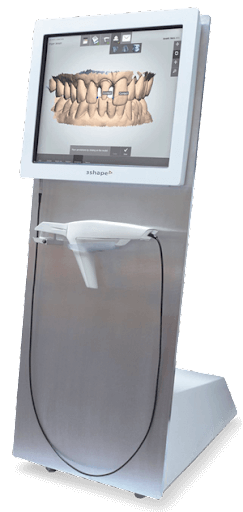
Next, consider their technological capabilities. Labs that have embraced a fully digital workflow—using tools like CAD/CAM and accepting digital scans—are often more precise and efficient. This technology minimizes the potential for human error, leading to crowns with a superior fit that require fewer adjustments. It also streamlines the entire process, from submission to delivery.
Don’t underestimate the importance of good communication. Can you easily get a technician on the phone to discuss a complex case or specific shading requirements? A responsive lab that acts as a collaborative partner is invaluable. Look for a team that is accessible and provides clear, helpful support when you need it. Finally, evaluate their track record for consistency and reliability. A lab should deliver high-quality work every single time, not just on the first case. Ask about their turnaround times and their process for quality control. A dependable partner helps you manage your schedule effectively and maintain your patients’ trust by avoiding unnecessary delays.
Our Top Picks for PFM & Zirconia Labs
Finding the right lab partner is a big decision that directly impacts your practice and your patients. The quality of your restorations, your chairside time, and your bottom line are all on the line. With so many options out there, it can be tough to know where to even begin. To help you get started, I’ve put together a list of some of the top dental labs known for their PFM and Zirconia crowns. Each lab has its own unique strengths, whether it’s cutting-edge technology, exceptional aesthetics, or unbeatable value.
Think of this as a starting point for your research. The best lab for you will be the one that aligns with your practice’s specific needs, from turnaround times and material preferences to communication style and digital workflow integration. As you read through these options, consider what matters most to you. Do you need a lab that can handle complex implant cases with precision? Or is your priority finding a partner that delivers beautiful anterior crowns every single time? This list covers a range of specialties to help you narrow down the field and find a lab that feels like a true extension of your team.
Next Dental Lab
Next Dental Lab has made a name for itself by offering a full suite of high-quality dental products without the high price tag. They provide a comprehensive range of crown and bridge solutions, including both PFM and Zirconia, often at prices up to 50% lower than other labs. This focus on affordability doesn’t come at the expense of quality. They are committed to digital dentistry, making it easy for practices to submit cases and collaborate on restorations. For dentists looking for a reliable, full-service partner that delivers consistent results and excellent value, Next Dental Lab is a compelling choice. Their blend of quality, service, and competitive pricing makes them a strong contender in the market.
Bestodental
Based in China and established in 2012, Bestodental has become a go-to lab for many US dental practices, particularly for its PFM crowns and bridges. They leverage modern CAD/CAM technology to ensure precision and consistency across all their restorations. What makes them stand out is their ability to deliver high-quality work with a quick turnaround time, all at a great value. If your practice is looking for a lab that specializes in reliable PFM work and can offer efficient service, Bestodental is definitely worth considering. Their focus on technology and value makes them a popular choice for practices that need dependable results without breaking the budget.
Apex Dental Laboratory
For practices that prioritize lifelike aesthetics, Apex Dental Laboratory is a fantastic option. They specialize in creating beautiful layered Zirconia crowns that are celebrated for their natural appearance and translucency, closely mimicking real teeth. Unlike monolithic Zirconia, their layered approach provides a depth of color and character that is hard to beat, making them ideal for anterior cases where aesthetics are paramount. Dentists who partner with Apex Dental Laboratory often do so because they want to provide their patients with restorations that are not only strong and durable but also virtually indistinguishable from natural dentition. Their focus on artistry and quality materials makes them a leader in cosmetic restorations.
United Dental Labs
With a history stretching back to 1923, United Dental Labs brings a century of experience to the table. This long-standing reputation is built on a foundation of trust, reliability, and a commitment to evolving with the industry. They combine time-tested techniques with advanced digital tools to produce a wide array of dental products, including expertly crafted PFM crowns. For dental professionals who value a lab with a proven track record, United Dental Labs offers the peace of mind that comes from partnering with an established and respected name. Their deep industry experience ensures they understand the nuances of creating high-quality, dependable restorations for any case.
Continental Dental Laboratories
Founded in 1970, Continental Dental Laboratories has carved out a niche by specializing in high-quality PFM restorations. They are well-regarded for their excellent customer service and consistently fast turnaround times, which is a huge plus for busy dental practices. When you need a reliable partner who can deliver quality work on a tight schedule, they are a solid choice. Their team is known for being responsive and easy to work with, making the entire process smooth and efficient. For practices that require dependable PFM crowns without long waits, Continental Dental Laboratories has built a strong reputation for delivering on its promises of quality and speed.
MicroDental Laboratories
Since 1964, MicroDental Laboratories has successfully blended traditional craftsmanship with the latest technological advancements. This approach allows them to offer a full spectrum of dental products, from classic PFM crowns to modern all-ceramic restorations. They are recognized throughout the industry for their unwavering commitment to quality and their continuous pursuit of innovation. By investing in both skilled technicians and cutting-edge equipment, MicroDental Laboratories ensures that every restoration meets the highest standards of fit, function, and aesthetics. They are a great partner for dentists who appreciate a lab that honors the art of dentistry while fully embracing the benefits of modern technology.
PFM vs. Zirconia: Which Crown Should You Choose?
Choosing the right material for a dental crown is a decision you make every day, balancing strength, aesthetics, and patient needs. The two leading contenders, Porcelain-Fused-to-Metal (PFM) and Zirconia, both offer excellent solutions, but they shine in different clinical scenarios. Understanding their core differences is key to selecting the perfect restoration for each case. While PFM crowns have been a reliable standard for decades, newer materials like Zirconia have expanded the options available, offering remarkable strength without compromising on appearance. Let’s break down what each material brings to the table.
Why PFM Crowns Are Still a Go-To for Strength
PFM crowns have been a trusted solution in restorative dentistry for years, and for good reason. They offer a proven track record of providing “reliable, esthetically pleasing, and long-lasting restorations.” The structure, a metal alloy base covered by a layer of porcelain, gives them impressive durability, making them a solid choice for both anterior and posterior restorations. With proper care, a PFM crown can easily last 10 to 15 years. While the metal base can sometimes create a dark line at the gumline, advancements in fabrication have minimized this issue. They remain an excellent, cost-effective option for many cases, especially when strength is the top priority for your crown and bridge work.
Metal Alloy Options in PFM Crowns
The metal substructure of a PFM crown is a critical component, and it’s important to know what your options are. The most common choice is a base metal alloy, typically a mix of cobalt, nickel, and chromium. These are strong and reliable, but it’s worth noting that some patients can have allergic reactions to nickel. For a more biocompatible alternative, you can opt for titanium alloys. Then there are high noble alloys, which primarily contain gold. Gold is an excellent choice for its superior strength, durability, and biocompatibility, making it one of the most dependable materials for long-lasting restorations and minimizing the risk of patient allergies. Discussing these options with your lab ensures you select the best material for each patient’s specific clinical needs and sensitivities.
Understanding PFM Limitations
While PFM crowns are incredibly reliable, it’s helpful to understand their limitations. The main consideration is the porcelain layer. Because it’s fused to a metal base, the porcelain can sometimes chip or fracture, especially under heavy occlusal forces. This happens because the two different materials—metal and ceramic—can expand and contract at slightly different rates during the fabrication process, which can create internal stress. Aesthetically, while modern lab techniques have greatly improved the look of PFMs, the underlying metal can sometimes cause a dark line to appear at the gumline, particularly if the patient experiences gum recession over time. These factors are important to weigh when deciding if a PFM is the ideal choice for a specific case.
Why Zirconia Is the Gold Standard for Aesthetics
When aesthetics are paramount, Zirconia crowns are often the go-to choice. As the “strongest tooth-colored solution available to dentists and patients today,” they deliver exceptional durability without any metal. This eliminates the risk of a dark line at the gums and provides a much more natural, translucent appearance. Zirconia is also highly biocompatible, reducing the chance of adverse reactions. The introduction of more aesthetic zirconia materials has greatly increased their appeal for anterior cases where a seamless blend with natural teeth is crucial. For patients who want a strong, beautiful, and metal-free restoration, Zirconia is an outstanding modern option.
The Shift Towards Zirconia: A Look at the Numbers
The dental industry is experiencing a clear and decisive trend toward zirconia crowns, and the numbers tell a compelling story. For instance, a major lab like Glidewell Dental now reports that a staggering 81% of the crowns they produce are zirconia, while traditional PFM crowns have fallen to just 7% of their output. This isn’t just a minor fluctuation; it’s a fundamental shift in material preference across the profession. This data highlights how dentists are increasingly choosing zirconia for its winning combination of strength, long-term durability, and superior aesthetic results. It has quickly become the preferred material for a wide range of modern restorative cases, meeting both clinical demands and patient expectations for natural-looking smiles.
Strength and Biocompatibility
Zirconia crowns are widely recognized as the strongest tooth-colored restorations available today. Because they are milled from a single, solid block of material, the risk of chipping or breaking is significantly lower than with layered porcelain. This monolithic strength makes them a fantastic and reliable choice for almost any clinical situation, from single posterior crowns to multi-unit bridges. Beyond its toughness, zirconia is also completely metal-free. This makes it an incredibly safe option for patients with metal sensitivities and offers high biocompatibility, which greatly reduces the likelihood of adverse tissue reactions. This ensures the final restoration is in perfect harmony with the patient’s biology, a key goal for any crown and bridge case.
How to Choose the Right Crown for Your Patient
The best choice between PFM and Zirconia ultimately comes down to the specific clinical situation and patient priorities. While Zirconia’s aesthetics are hard to beat, there are still cases where a PFM crown is the better material. For example, PFM can be ideal for “bridge cases that lack the vertical height necessary for adequate zirconia connectors.” When making your decision, it’s helpful to evaluate performance, cost, and the unique demands of the case. Discussing the pros and cons of each with your patient will help you land on a solution that ensures both longevity and a happy smile. Submitting detailed digital cases can also help your lab provide the best possible outcome.
Clinical Scenarios for PFM Crowns
PFM crowns are the workhorses of restorative dentistry for a reason. They have a long and successful clinical history, providing “reliable, esthetically pleasing, and long-lasting restorations.” Their strength comes from a durable metal alloy substructure that is expertly masked by a layer of fused porcelain. This combination makes them an excellent choice for posterior teeth that need to withstand significant biting forces. They are also a go-to solution for multi-unit bridges, especially in long-span cases where the underlying metal provides the necessary rigidity and support that other materials might lack. When you need a dependable, time-tested option, PFM delivers consistent performance.
Clinical Scenarios for Zirconia Crowns
When your primary goal is a beautiful, natural-looking result, Zirconia is the clear winner. It’s known as the “strongest tooth-colored solution available to dentists and patients today,” offering incredible durability without a hint of metal. This is especially critical for anterior restorations, where avoiding a dark line at the gumline is non-negotiable. The material’s natural translucency allows it to blend seamlessly with adjacent teeth. Zirconia is also highly biocompatible, making it a safe choice for patients with metal sensitivities. For single crowns, especially in the aesthetic zone, Zirconia provides a combination of strength and beauty that is hard to match.
When to Avoid Certain Materials
While Zirconia is an amazing material, it’s not the right fit for every situation. Its strength depends on having adequate thickness, which can be a challenge in some cases. For instance, PFM is often a better choice for “bridge cases that lack the vertical height necessary for adequate zirconia connectors.” In these tight spaces, the metal framework of a PFM provides more predictable strength. You might also reconsider Zirconia for patients with severe bruxism who are opposing natural dentition, as some formulations can be abrasive. The key is to assess the available space, the patient’s habits, and the specific demands of the restoration before making a final call.
Considering Full-Cast Gold Crowns
While PFM and Zirconia dominate the conversation, don’t forget about the classic full-cast gold crown. For posterior restorations where aesthetics are not a concern, gold is still an unbeatable option. These restorations are known for lasting an incredibly long time because of their durability and plaque resistance. Gold is also exceptionally kind to opposing teeth, wearing at a rate very similar to natural enamel, which helps preserve the patient’s existing dentition. All the metals used in these full-cast restorations meet high-quality standards set by the ADA, ensuring biocompatibility. When your priority is pure function and longevity for a back molar, a gold crown remains a superior clinical choice.
What to Look For in a Dental Lab Partner
Finding the right dental lab is a lot like adding a new specialist to your team. This partnership directly impacts your practice’s efficiency, your patients’ satisfaction, and your professional reputation. When you’re sourcing PFM or zirconia crowns, the lab you choose determines the quality of the final restoration. A great lab delivers consistent, beautiful results that minimize your chair time and keep patients happy. A less-than-ideal partner can lead to frustrating remakes, scheduling delays, and compromised patient care.
To make the best choice, you need to look beyond the price list. Consider the lab’s commitment to quality, its technological capabilities, and how well its team communicates with yours. Think about the entire experience, from sending the initial case to the final seating. Does the lab make your job easier? Do they stand behind their work? Evaluating a lab based on a few key factors will help you find a reliable partner that supports your practice’s goals and helps you deliver exceptional care. It’s about finding a team that feels like an extension of your own office—one you can trust with your patients’ smiles.
Verify Their Material Quality and Certifications
The foundation of any great crown is the material it’s made from. Your patients trust you to use safe, durable, and biocompatible materials, so your lab must be transparent about its sourcing. Ask potential labs where they get their dental metals and porcelain. A reputable lab will have no problem providing documentation and certifications that trace the materials back to their origin. This ensures you’re not just getting a restoration that looks good, but one that is also safe and built to last. High-quality crown and bridge restorations begin with proven, certified materials.
Can They Meet Your Deadlines?
In a busy dental practice, your schedule is everything. A lab that can’t meet its deadlines can throw your entire week off course, leading to rescheduled appointments and frustrated patients. Look for a lab that has a strong reputation for reliability and consistent turnaround times. They should be clear about their production schedule and communicate proactively if any delays occur. A reliable lab partner understands that predictable delivery is essential for managing your practice effectively. They deliver on their promises, ensuring you can seat your patients’ crowns on time, every time, without any last-minute surprises.
Check Their Digital Workflow and Tech
Modern dentistry is built on precision, and digital technology is the key to achieving it. A lab that has embraced a fully digital workflow with CAD/CAM capabilities can produce crowns with an incredibly accurate fit. This technology minimizes the potential for human error, resulting in better marginal integrity and less chairside adjustment time for you. When evaluating labs, ask about their digital processes. Can they accept digital scans from your intraoral scanner? A lab that invests in technology is investing in providing you with a superior, more consistent product.
How’s Their Communication and Support?
A great lab relationship is a collaborative one. You should feel comfortable picking up the phone to discuss a complex case or get advice on material selection. Choose a lab where you have direct access to experienced technicians. Good communication prevents mistakes and ensures the final restoration meets your exact specifications. Before committing to a lab, test their responsiveness. A partner who is easy to reach and eager to help is invaluable. This open line of communication is crucial for avoiding remakes and achieving the best possible outcome for your patient.
Balancing Cost and Overall Value
While cost is always a factor, the cheapest option isn’t always the best value. True value comes from a combination of fair pricing, high-quality materials, reliable service, and excellent support. A low-priced crown that requires constant adjustments or remakes ends up costing you more in lost chair time and patient confidence. Look for a lab that offers competitive pricing without compromising on the quality of their dental products. The right lab helps you manage costs while delivering the beautiful, durable restorations your patients deserve, making it a smart investment for your practice.
Non-Negotiable Services Your Lab Must Offer
When you partner with a dental lab, you’re looking for more than just a product; you’re looking for a service that makes your job easier and delivers outstanding results for your patients. The best labs understand this and provide a suite of services designed to support your practice at every step. From the initial case submission to the final restoration, their offerings should feel like an extension of your own team. This means providing a variety of material options to suit any clinical situation, embracing technology that streamlines your workflow, and having the artistic skill to create restorations that are both functional and beautiful.
A Full Range of PFM & Zirconia Options
Your patients aren’t one-size-fits-all, and your lab’s crown offerings shouldn’t be either. A top-tier lab will provide a comprehensive menu of crown and bridge solutions. This includes various PFM options with different alloys and a full spectrum of zirconia, from high-translucency anterior crowns to high-strength monolithic posterior crowns. Having these choices allows you to select the perfect material based on the patient’s specific needs, whether it’s for strength, aesthetics, or budget. A lab that offers this versatility demonstrates a deep understanding of restorative dentistry and is better equipped to handle both straightforward and complex cases with confidence.
Ensure Seamless Digital Scanner Integration
In modern dentistry, a smooth digital workflow is non-negotiable. The right lab partner will make it incredibly easy to submit digital impressions from your intraoral scanner. Look for a lab that has a clear and simple process to connect your scanner and supports open architecture systems. This integration saves you time, reduces the chance of errors associated with physical impressions, and often leads to faster turnaround times. A lab that fully embraces CAD/CAM technology isn’t just keeping up with the times; it’s committed to providing you with crowns that have a precise fit and predictable results, case after case.
Look for Precise Customization and Shade Matching
The final test of any crown is how it looks and feels in the patient’s mouth. This is where a lab’s technical skill and artistry truly shine. A great lab will offer precise customization, allowing you to specify everything from contacts and occlusion to embrasures. Exceptional shade matching is also critical. The lab should use high-quality materials and have experienced technicians who can replicate the nuances of natural teeth. Ask potential labs about their process for custom shades and whether they can work from digital photos to achieve the best possible aesthetic outcome for your patients.
Red Flags to Watch For When Choosing a Lab
Finding the right dental lab can feel like a game-changer for your practice. A great partner delivers beautiful, precise restorations on time, making your job easier and keeping patients happy. On the flip side, a partnership that isn’t the right fit can create a cascade of problems, from wasted chair time to frustrated patients. Knowing what potential red flags to look for can save you a lot of headaches down the road.
When you’re vetting a new lab, it’s easy to focus on the finished product and the price list. But the true test of a lab partnership lies in its consistency, communication, and reliability. Even a lab that produces a stunning crown occasionally can become a liability if you can’t count on them for every case. Let’s walk through some of the most common challenges dental practices face with labs and what you should keep an eye on to ensure you’re building a relationship that supports, rather than complicates, your work.
Avoiding Inconsistent Quality and Poor Fit
There’s nothing more frustrating than seating a crown that just doesn’t fit. Inconsistent quality is a major issue that often stems from a lab’s lack of standardized processes or rigorous quality control. When a lab doesn’t have a consistent system in place, you might receive a perfect crown one week and one that needs significant adjustments the next. This variability leads to longer appointments, patient discomfort, and the costly, time-consuming process of remakes. A reliable lab should deliver predictable, high-quality crown and bridge restorations every single time, ensuring a perfect fit that minimizes your chairside time.
Spotting Poor Communication Early On
A dental lab should be a true partner, and that requires clear, open communication. When a lab is hard to reach or provides vague updates, it’s nearly impossible to manage your patient’s expectations. Misunderstandings about materials, shades, or specific case requirements can lead to restorations that miss the mark. You shouldn’t have to guess the status of an order or struggle to get a technician on the phone for a critical question. Labs that embrace digital case solutions often provide better tracking and clearer communication, ensuring everyone is on the same page from the moment you submit the case.
What to Do About Missed Deadlines
Timeliness is non-negotiable. When a lab fails to meet its deadlines, it throws your entire schedule off balance. A delayed case means you have to reschedule the patient’s appointment, which is inconvenient for them and disruptive for your practice’s workflow. Consistent delivery delays are a sign of poor internal management and can quickly damage your relationship with your patients, who are eagerly awaiting their final restoration. A dependable lab understands that your schedule relies on their punctuality and makes meeting deadlines a top priority, helping you run a smooth and efficient practice.
Questions to Ask Before You Commit to a Lab
Choosing a new dental lab is a big decision that impacts your practice’s efficiency, reputation, and patient satisfaction. Before you commit, it’s smart to have a conversation and ask a few specific questions. Getting clear answers upfront helps ensure you’re building a partnership that will support your work for years to come.
Here are some key questions to guide that conversation:
-
What materials do you use for your crowns, and where are they sourced? Transparency is everything. A great lab will be open about the brands and sources of their metals, porcelains, and zirconia. This information helps you trust the quality and biocompatibility of the restorations you place. Knowing they use certified, high-quality materials for their crown and bridge products gives you and your patients peace of mind.
-
Can you walk me through your quality control process? Consistency is the hallmark of a reliable lab. Ask how they ensure every restoration meets the same high standard. Do they have a multi-step verification process? How do they check for accurate fit, contacts, and occlusion before a case leaves their facility? Understanding their process helps you know what to expect with every case.
-
What are your typical turnaround times, and how do you handle rush cases? Your schedule revolves around predictable timelines. Ask for the lab’s in-house schedule for both PFM and zirconia crowns. It’s also wise to find out their policy on rush orders and how they communicate potential delays. A lab that is proactive about communication can prevent scheduling headaches for your front office and your patients.
-
How do you support digital workflows and intraoral scanners? Digital dentistry is the standard, so your lab partner should make it easy to submit cases electronically. Ask which scanners they are compatible with and what their process is for receiving digital scans. A lab that seamlessly integrates with your practice’s technology will save you time and reduce the risk of errors from traditional impressions.
-
Who is my point of contact for case questions or adjustments? Good communication can prevent mistakes and remakes. Find out if you’ll have a dedicated account manager or direct access to the technicians working on your cases. Being able to discuss case specifics with an experienced technician is invaluable for complex restorations or achieving a perfect shade match.
How Modern Tech Improves Crown Production
The way dental crowns are made has changed dramatically, moving from a hands-on, manual art to a precise, digitally-driven science. This shift isn’t just about new gadgets in the lab; it’s about delivering consistently better results for your practice and your patients. Technology has streamlined the entire process, from taking impressions to final fabrication, leading to stronger, more aesthetic crowns that fit perfectly from the start. For any modern dental practice, understanding these advancements is key to choosing a lab partner that can keep up and deliver the quality you expect.
Why CAD/CAM Technology Means Better Precision
One of the biggest game-changers in crown production is CAD/CAM (Computer-Aided Design/Computer-Aided Manufacturing) technology. This process uses digital scans of a patient’s mouth to design a crown on a computer and then mills it from a solid block of material with incredible accuracy. This digital workflow eliminates many of the variables and potential human errors of the traditional wax-and-cast method. The result is a crown with a precise fit, reducing the need for chairside adjustments and saving you valuable time. This level of precision is a major reason why materials like monolithic zirconia have become so popular for crown and bridge restorations.
What’s New in Crown Materials and Techniques?
Alongside process improvements, the materials we use for crowns have also evolved significantly. We’re seeing a major trend toward ultra-durable ceramics like zirconia and lithium disilicate, which offer an impressive combination of strength and lifelike aesthetics. These materials are not only tough enough to handle posterior cases but also look natural enough for the anterior. Furthermore, advancements in adhesive bonding techniques have improved how securely these crowns attach to the tooth structure. A lab that stays current with these material innovations can help you provide restorations that are both beautiful and built to last, giving your patients confidence in their smiles when you submit digital cases.
From Prep to Placement: Technical Considerations
Once you’ve chosen the right material, the success of the restoration shifts from the lab back to your chair. The clinical steps you take next are just as critical as the fabrication process itself. Proper tooth preparation and a straightforward cementation protocol are the foundation for a crown that fits perfectly, minimizes chair time, and lasts for years. When your prep work is precise, it allows your lab partner to create a restoration with impeccable margins and occlusion. Let’s walk through the key technical considerations for placing zirconia crowns to ensure a seamless experience from start to finish.
Tooth Preparation Guidelines for Zirconia
To get the best results with your zirconia crown and bridge restorations, following precise preparation guidelines is key. For posterior teeth, aim for a reduction of 1.0 mm at the gum line and 1.5 mm on the occlusal surface and axial walls. For anterior teeth, the preparation should include 1.0 mm at the gum line, 1.2 to 1.5 mm at the incisal edge, and 1.2 mm on the lingual side. Adhering to these specific depths ensures there is enough space for the material, which is crucial for achieving the strength and aesthetic qualities that make zirconia such a popular choice.
Cementation Made Simple
One of the great advantages of zirconia crowns is their versatility during placement. They can be cemented conventionally using standard dental cements, which simplifies the final step of the restoration process for your practice. This ease of use means you don’t need complex bonding protocols, saving you time and effort at the chair. This straightforward process, combined with the precision of a digitally fabricated crown, ensures a predictable outcome when you submit a digital case. The combination of zirconia’s durability and simple cementation makes it a reliable, long-lasting solution for your patients.
Making the Final Choice for Your Practice
Selecting a dental lab is about more than just finding a vendor for PFM and zirconia crowns; it’s about finding a partner. The lab you work with is a direct extension of your practice, and their craftsmanship directly impacts your patients’ health and your professional reputation. Making the right choice means looking at the complete picture, from the materials they use to the support they provide.
The foundation of any great restoration is the quality of the materials. It’s essential to partner with a lab that uses high-quality, certified materials for their crown and bridge restorations. This affects not only the aesthetic outcome but also the crown’s long-term durability and biocompatibility. Your goal should be to find a partner that delivers accurate and consistent results, allowing you to seat crowns with confidence and minimal chairside adjustments.
Beyond materials, consider the lab’s commitment to technology. A modern lab should have a seamless digital workflow that integrates easily with your practice’s scanners and systems. Labs that invest in CAD/CAM technology and digital processes can offer a higher level of precision and efficiency. This shows they are focused on more than just price; they’re dedicated to providing the best possible product.
Finally, don’t underestimate the importance of communication and support. When you have a question about a complex case or need a specific adjustment, you want a responsive and knowledgeable team on the other end of the line. A lab that offers quick help and personal support can make a significant difference in your workflow and patient satisfaction. Look for a partner with a proven track record and positive reviews—their reputation is often the best indicator of the quality and reliability you can expect.
Related Articles
- PFM Vs. Porcelain Crown: A Side-By-Side Comparison
- The Ultimate PFM Crown Lab Procedure Guide
- Porcelain Crown vs Zirconia: Pros, Cons & Cost
- Zirconia Crown Vs. Porcelain: Which Is Best For Your Patients’ Needs?
Frequently Asked Questions
When should I choose a PFM crown over a Zirconia one? While Zirconia is fantastic for its aesthetics, PFM still has its place. It’s an excellent choice for multi-unit bridges where you need the proven strength of a metal substructure, especially if there isn’t enough vertical space for the thicker connectors required by some zirconia types. PFM also remains a reliable and cost-effective solution for posterior cases where sheer durability is the main goal.
How can a lab offer significantly lower prices without compromising on material quality? This is a great question. Labs that offer competitive pricing often achieve it by streamlining their operations, not by cutting corners on materials. By embracing a fully digital workflow, they reduce manual labor and waste. They also might manage their supply chain more efficiently. A transparent lab will always be willing to provide documentation on their material sourcing, so you can feel confident you’re getting both value and quality.
My practice isn’t fully digital yet. How difficult is it to start sending digital scans to a lab? Making the switch is much simpler than you might think. Most modern labs that are focused on digital dentistry have a dedicated support team to walk you through the process. They can help you connect your specific intraoral scanner to their system, often in just a few minutes. Once you’re set up, submitting a case is usually as easy as uploading a file, which saves you the time and cost of traditional shipping.
What’s the best way to test out a new dental lab without committing to a long-term partnership? The best approach is to start with a straightforward, single-unit posterior crown. This type of case allows you to evaluate the lab’s core competencies: the fit, the contacts, the occlusion, and their ability to meet a deadline. It’s a low-risk way to assess their consistency and communication style. If they handle a simple case with precision and professionalism, you can feel more confident sending them more complex work in the future.
What should I do if a crown from a lab consistently requires a lot of adjustments? If you’re spending more than a few minutes on adjustments, it’s a sign that something is off in the lab’s process. The first step is to communicate this feedback directly to your contact at the lab. A good partner will want to know about these issues and will work with you to troubleshoot the problem. However, if the issue persists across several cases, it’s a clear signal that their quality control isn’t meeting your standards, and it may be time to find a new lab.