We often focus on the implant and the final crown, but the abutment connecting them is what truly dictates long-term success. Using a stock abutment can feel like a compromise, leading to challenges with tissue management, messy cement cleanup, and an unnatural emergence profile. This is where a patient-specific approach makes all the difference. Partnering with a specialized custom abutment lab allows you to create a foundation perfectly tailored to your patient’s unique anatomy, setting the stage for a healthier, more beautiful, and longer-lasting result. This guide will show you exactly how to make the switch.
Key Takeaways
- Custom Abutments Drive Clinical Success: Patient-specific designs lead to a superior fit, healthier gum tissue, and easier cement cleanup, which are essential for the long-term health of the implant.
- Choose a Lab, Not Just a Vendor: Look for a partner with a proven reputation, a modern digital workflow, and clear communication to ensure you receive consistent, high-quality restorations every time.
- Precision Starts with Your Submission: Providing clear, detailed digital scans and case instructions is the most critical step you can take to guarantee a predictable, accurate restoration with minimal chairside adjustments.
What Can a Custom Abutment Lab Do for You?
A custom abutment lab is a specialized dental laboratory that designs and fabricates patient-specific abutments for dental implants. Unlike stock abutments, which are mass-produced in standard sizes, custom abutments are crafted from the ground up for one person and one person only. Think of it as the difference between buying a suit off the rack and having one tailored to your exact measurements. The goal is to create a perfect, seamless transition from the implant to the final crown, which is crucial for both aesthetics and long-term health.
These labs use advanced technology to create abutments that precisely match the patient’s unique gingival contours and emergence profile. A lab crafts these components to fit the tissue crests of each individual, ensuring a snug and natural fit that promotes healthier soft tissue. By using materials like titanium, zirconia, or gold alloy, the lab can also achieve a more precise color match for the final restoration. This personalized approach helps manage the soft tissue properly, leading to better long-term stability and a more natural-looking smile for your patient. It’s about creating a foundation that supports the final crown perfectly, preventing issues like food traps or improper tissue healing down the line.
What Services Should Your Lab Offer?
When you partner with a custom abutment lab, you’re not just ordering a product; you’re collaborating on patient care. A reliable lab partner ensures high-quality restorations and supports smooth workflows, timely care, and consistent results. Look for a lab that offers clear communication and expert case support, so you can discuss specific patient needs and get advice when you need it. They should also have a streamlined process for both traditional impressions and digital case submissions. Ultimately, a strong partnership with your lab improves patient outcomes and overall practice efficiency, making your job easier and your patients happier.
How Your Custom Abutment is Designed
The design process for a custom abutment is a great example of modern dentistry at its best. It typically starts with a digital scan or a traditional impression of the patient’s implant site. This data is then loaded into CAD (Computer-Aided Design) software, where a skilled technician designs the abutment with incredible precision. They can control every detail, from the margin height to the emergence profile, ensuring an ideal fit. Once the design is finalized, it’s sent to a CAM (Computer-Aided Manufacturing) machine, often a high-precision milling unit, which fabricates the abutment from a solid block of titanium or zirconia. This technology allows for a level of accuracy and efficiency that far exceeds older methods.
Incorporating Special Design Features for Better Retention
The real advantage of a custom abutment is in the details of its design, which is where you can set a case up for long-term success. Because they are meticulously crafted to fit each patient’s unique anatomy, they create a seamless transition from the implant to the final crown. This precision is achieved through advanced digital design that perfectly matches the patient’s gingival contours and emergence profile. This tailored fit not only promotes healthier soft tissue but also provides a stable, retentive base for the final restoration. It eliminates the gaps and poor fits that can occur with stock options, ensuring the entire structure is solid from the implant up.
Beyond just a perfect fit, you can incorporate specific features to improve retention even further. One of the most effective additions is milled grooves. These subtle but powerful grooves are strategically placed on the abutment surface to provide extra mechanical grip, significantly reducing the risk of the crown becoming dislodged over time. Another major benefit of a custom design is that it makes cement cleanup much easier compared to standard abutments. By placing the margins at an ideal, accessible level, you can confidently remove all excess cement, which is critical for preventing inflammation and protecting the health of the surrounding tissue.
When these thoughtful design features are combined with high-quality materials like titanium or zirconia, the result is a restoration that is both strong and beautiful. The right material choice ensures a precise color match for the final crown, while the custom-milled design provides the structural integrity needed for a durable, long-lasting implant restoration. Ultimately, these elements work together to create a foundation that supports the final crown effectively. This attention to detail in the design phase is what ensures predictable outcomes, minimizes chairside adjustments, and leads to greater patient satisfaction in the long run.
Custom vs. Stock: Why Custom Abutments are a Better Choice
When it comes to implant restorations, the abutment you choose plays a huge role in the final outcome. While stock abutments can work in straightforward cases, they often fall short of providing the ideal fit and look. Custom abutments, on the other hand, are designed specifically for each patient’s unique anatomy. This tailored approach isn’t just a small upgrade—it’s a significant step toward achieving better clinical results, healthier tissue, and happier patients. Let’s look at exactly why a custom solution is almost always the better choice for your practice.
Why a Precise Fit Matters
Every patient’s mouth is different, with unique gum contours and implant angulation. Stock abutments are mass-produced, so they can’t account for these individual variations. Custom abutments are designed to perfectly match the patient’s specific situation, resulting in a much more accurate and precise fit. This isn’t just about comfort; a superior fit is crucial for promoting healthy gum tissue around the implant. By creating a seamless transition from the implant to the crown, you can manage soft tissue more effectively and set the stage for a successful, long-lasting dental implant. This level of precision is especially valuable in complex cases where angulation or tissue height presents a challenge.
Risks of Poorly Fitting Stock Abutments
A poorly fitting stock abutment isn’t just an inconvenience; it introduces clinical risks that can compromise the entire restoration long-term. When the abutment doesn’t align perfectly with the gum tissue, cement cleanup becomes a major challenge, and any excess cement left behind can cause inflammation and gum problems. This poor fit also results in an unnatural emergence profile, making the final restoration look bulky or out of place—an issue that’s especially obvious in the aesthetic zone. Over time, these problems can escalate into more serious complications, including soft tissue irritation and even bone loss around the implant (peri-implantitis). It all highlights why a one-size-fits-all approach often falls short in providing the stability and health needed for successful implant restorations.
How Custom Abutments Improve Aesthetics
Aesthetics are paramount in restorative dentistry, and this is where custom abutments truly shine. Because they are designed to fit the patient’s individual tissue crests, they help create a much more natural-looking emergence profile. The final restoration appears to grow right out of the gums, just like a natural tooth. Material choice also plays a big role. With options like titanium, gold, or tooth-colored zirconia, you can select the best material to avoid metal showing through thin tissue. This ensures the final crown and bridge restoration blends beautifully with the surrounding teeth, giving your patients a result they can smile confidently about.
Better Function and Easier Cleanup
Beyond fit and aesthetics, custom abutments offer a major functional advantage: easier cement cleanup. The margins of a custom abutment can be placed at or just below the gumline, making it much simpler to remove excess cement after seating the crown. This is a critical step, as retained cement is a leading cause of peri-implantitis. A well-designed custom abutment eliminates the subgingival “trough” that stock abutments can create, where cement can hide. This not only protects the long-term health of the implant but also makes the restoration easier for the patient to keep clean at home. A precise, digital workflow makes achieving this level of customization straightforward and predictable.
How Custom Abutments Correct for Angled Implants
Implant placement isn’t always perfectly parallel, and angled implants can create a real headache for the final restoration. This is where custom abutments become an indispensable tool. Instead of trying to make a stock abutment work, a custom abutment is designed to correct the implant’s angle, creating an ideal path of insertion for the final crown. This is especially important in complex cases where angulation could otherwise compromise the outcome. By adjusting the abutment’s orientation, your lab technician ensures the final restoration is not only aesthetic but also functional, avoiding the bulky, unnatural contours that often result from trying to compensate with the crown alone. This precise correction helps manage soft tissue effectively and sets the foundation for a stable, long-lasting result.
How to Choose the Right Custom Abutment Lab
Selecting a dental lab for your custom abutments is a big decision. This isn’t just about finding a vendor; it’s about finding a partner who will become an extension of your practice. The right lab directly impacts your clinical outcomes, patient satisfaction, and overall efficiency. A reliable lab partner ensures you receive high-quality, precise restorations every time, which supports a smoother workflow and helps you deliver consistent results for your patients. When you find a lab that aligns with your standards, you build a relationship that strengthens your practice from the inside out. So, what should you look for when making this choice? It comes down to a few key areas: their reputation, their technology, and their reliability.
Look for Credentials and a Strong Reputation
Before you send your first case, do a little homework on the lab’s background. A lab with a solid reputation is built on a foundation of trust and consistent quality. Look for testimonials, case studies, and online reviews from other dental professionals. Don’t be afraid to ask the lab for references or to see examples of their dental implant work. A great lab will be proud to show you what they can do. By carefully evaluating these factors, you can establish a strong partnership that ultimately improves patient care and your practice’s efficiency. A lab’s history and the experiences of its clients speak volumes about the quality you can expect.
Lab Experience and Restoration Volume
A lab’s reputation is often built on its experience, and one of the clearest indicators of that experience is the volume of cases it handles. A lab that produces a high number of restorations has refined its processes and has likely encountered nearly every clinical scenario imaginable. This means they have the expertise to troubleshoot complex cases and deliver consistent, predictable results time and time again. When you partner with an experienced lab, you’re tapping into a wealth of knowledge that helps ensure your implant restorations are fabricated correctly the first time, minimizing the need for chairside adjustments and saving you valuable time. It’s a sign that many other clinicians trust them with their patient care, which is one of the strongest endorsements you can find.
Review Their Digital Workflow and Technology
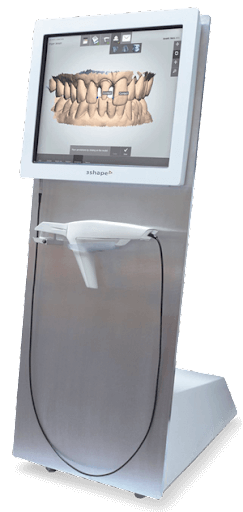
The best labs today are deeply invested in technology. A modern, digital workflow isn’t just a nice-to-have; it’s essential for precision and efficiency. Ask potential labs about their CAD/CAM systems and their process for handling digital scans. Digital dentistry enhances accuracy, reduces turnaround time, and improves communication between your practice and the lab. A lab that has perfected its digital process makes submitting cases straightforward, not more complex. This integration allows for a seamless transition from your intraoral scanner to their design and manufacturing, resulting in a final product that fits perfectly with minimal adjustments.
Ask About Turnaround Times and Capacity
Clear and reliable timelines are critical for managing patient expectations and scheduling appointments. Ask about the lab’s average turnaround time for custom abutments and how they communicate progress. While a typical case might take around ten days, this can vary. It’s also wise to inquire about their capacity. Can they handle your case volume without delays, especially during busy periods? A transparent lab will be upfront about its workload and any potential impact on delivery dates. Finding a partner who communicates proactively about timelines helps you run your practice smoothly and keep your patients happy.
Check for Implant System Compatibility and Partnerships
Your practice likely uses a specific set of implant systems, and your lab needs to be fluent in all of them. Before committing, confirm that the lab can fabricate high-quality restorations for the brands you trust. A lab that works with a wide range of implant systems demonstrates its investment in technology and its versatility in handling diverse clinical situations. This compatibility ensures you won’t be limited in your treatment options or forced to switch implant brands just to accommodate your lab. A great partner should be able to produce consistent, excellent results regardless of the system, providing you with the flexibility you need to deliver the best possible care for your patients’ implant restorations.
Ask About Product Warranties
A product warranty is more than just a policy; it’s a direct reflection of a lab’s confidence in its materials and craftsmanship. Ask potential labs about the warranties they offer on custom abutments and the final restorations. A strong warranty provides peace of mind for both you and your patient, ensuring that if an issue arises due to a manufacturing defect, the lab will stand behind its work. This is a critical part of building a long-term, trusting relationship with your lab partner. A lab that offers a comprehensive warranty shows that they are committed to quality and are invested in the long-term success of your cases, which protects your reputation and your patient’s investment in their smile. You want a partner who stands behind their work, no questions asked.
What to Expect for Turnaround Time and Cost
When you’re managing a busy practice, two of the most important questions you have for any lab partner are, “How long will it take?” and “What will it cost?” Understanding the timelines and pricing for custom abutments helps you set clear expectations for your patients and manage your practice’s budget effectively. While every case is unique, we can break down the typical factors that influence both the production schedule and the final price, so you know exactly what to anticipate.
A great lab partner is transparent about these details from the start. They should be able to give you a clear estimate based on your case submission and keep you updated throughout the process. This open communication is key to a successful partnership and ensures there are no surprises along the way. At Next Dental Lab, we prioritize a streamlined digital workflow to make the entire process as efficient and predictable as possible for your practice. This focus on clear systems means you can confidently schedule patient appointments and provide accurate cost information, which builds trust and improves the overall patient experience.
How Long Does It Really Take?
Generally, you can expect the in-lab turnaround time for custom abutment cases to be around ten working days. However, this timeline isn’t set in stone. Several variables can affect how quickly a case moves through production, including the precision of your initial impressions, the complexity of the restoration, and the specific materials you select. A straightforward single-unit case will naturally move faster than a complex multi-unit restoration requiring more intricate design work.
The most significant factor in keeping production on schedule is the quality of communication between your practice and the lab. Clear instructions, high-quality digital scans, and prompt responses to any questions from the lab technicians can significantly shorten the timeline. An efficient lab will work to expedite the process without ever compromising on the quality and precision your patients deserve.
What Factors Influence the Price?
The cost of a custom abutment is an investment in a superior fit and aesthetic outcome for your patient. While prices vary across the industry, the final cost is shaped by a few key elements. The complexity of the case is a primary driver; a highly angled implant or a case requiring extensive soft tissue management will involve more design time and expertise. The material you choose—whether it’s titanium, zirconia, or a gold alloy—will also impact the price.
Ultimately, the price reflects the personalized nature of the product. You’re not just paying for a component; you’re paying for the digital design, precision milling, and expert finishing that goes into creating a perfect match for your patient’s anatomy. When considering the cost, it’s helpful to think about the long-term value that high-quality dental implants and custom abutments provide in terms of durability, patient comfort, and chairside efficiency.
Understanding Average Abutment and Crown Costs
When explaining treatment costs to patients, it’s helpful to break down the components of an implant restoration. The total fee isn’t just for one item; it covers the implant fixture, the abutment, and the final crown. The abutment is the critical connector piece that joins the implant in the bone to the visible crown. Many initial cost estimates for implant surgery only cover the implant itself, so it’s important to be clear with patients that the abutment and crown are additional, necessary components. While industry averages exist, the final cost can vary significantly based on the specifics of the case, making a one-size-fits-all price misleading.
How Lab Pricing Models Work
From the lab’s perspective, the price of a custom abutment is determined by the complexity of the case and the materials used. A straightforward case is naturally less expensive than one involving a highly angled implant or significant soft tissue challenges, which require more advanced design expertise to perfect the emergence profile. Material selection is another key factor; premium materials like zirconia offer superior aesthetics but come at a higher cost than titanium. By partnering with a lab that has optimized its digital workflow, you can often access competitive pricing that reflects efficiency without compromising the precision and quality your patients expect.
Factors Beyond the Lab That Affect Total Patient Cost
The lab fee for the abutment and crown is just one piece of the puzzle. The total cost you present to your patient is influenced by several other factors. These include the material used for the implant fixture itself, such as titanium or ceramic, and whether any preparatory procedures like bone grafts or extractions are needed. Your own clinical fees, which reflect your experience and the complexity of the surgery, also play a role. Clearly itemizing these elements—the surgery, the implant components, and the final restoration from the lab—helps patients understand the full value of their investment in a long-lasting, functional, and beautiful result.
Choosing the Right Custom Abutment Material
The material you choose for a custom abutment is a critical decision that impacts the restoration’s strength, longevity, and final look. Unlike the one-size-fits-all approach of stock options, custom abutments let you select a material that is perfectly suited to the patient’s clinical needs and aesthetic goals. Let’s break down the most common materials to help you make the best choice for every case.
Why Choose a Titanium Abutment?
Titanium is the workhorse of implant dentistry for a reason. It’s incredibly strong, biocompatible, and versatile enough to be used anywhere in the mouth, making it a reliable choice for most restorations. Its durability makes it an excellent foundation for a wide range of dental implants. One of the biggest clinical benefits of a custom-milled titanium abutment is the ability to design margins that allow for easy and complete cement cleanup. This precision helps you avoid the common problem of subgingival cement residue, setting your patient up for better long-term periodontal health and a more successful outcome.
When to Choose Zirconia for Aesthetics
When you’re working in the aesthetic zone, zirconia is often the best material for the job. Its natural, tooth-colored appearance provides a beautiful, seamless transition from the implant to the final crown, with no risk of a dark metal collar showing through at the gumline. Zirconia is fantastic at blocking out the gray hue of the underlying implant post, giving you a bright, vital foundation for the final crown and bridge restoration. For patients who are focused on achieving the most natural-looking smile possible, a custom zirconia abutment is the clear winner.
Considering Gold Alloy and Other Materials
While titanium and zirconia are the most popular choices, other materials can be a great fit for specific situations. Gold alloy abutments, for example, offer excellent biocompatibility and a warm hue that can be aesthetically pleasing under certain ceramic crowns. You also have hybrid options, such as a zirconia abutment with a titanium base. This design combines the strength and precision fit of a titanium connection with the aesthetic benefits of a zirconia body. Exploring these different materials allows you to fully customize your approach and deliver truly personalized digital case solutions that meet the unique demands of each patient.
What Technology Creates Precision Abutments?
The exceptional fit and appearance of custom abutments aren’t magic—they’re the result of sophisticated technology that has transformed implant dentistry. Gone are the days of settling for one-size-fits-all components. Today, digital tools allow labs to craft abutments with incredible accuracy, tailored to the unique needs of each patient. This blend of digital design and precision manufacturing is what sets custom solutions apart, delivering predictable, high-quality results for your practice and better outcomes for your patients.
How CAD/CAM and Digital Scanners Work
At the heart of every precision custom abutment is CAD/CAM (Computer-Aided Design/Computer-Aided Manufacturing) technology. The process starts with a detailed digital impression of the patient’s anatomy. Using an intraoral scanner, you can capture precise data and submit digital cases directly to the lab, eliminating the mess and potential inaccuracies of traditional impressions. This digital blueprint allows technicians to design an abutment that is perfectly contoured to the patient’s gingival tissue and emergence profile. Because custom abutments are designed specifically for each patient, they are far more versatile for complex cases. This patient-specific approach supports better gum health and creates a more natural-looking foundation for the final restoration.
A Look at Computer-Aided Manufacturing
Once the digital design is finalized, the “CAM” phase begins. The design file is sent to a highly precise milling machine that carves the abutment from a solid block of material, like titanium or zirconia. This computer-aided manufacturing process ensures the physical abutment matches the digital design with microscopic accuracy. This level of precision is simply not possible with stock abutments or manual fabrication methods. The result is a predictable, perfect fit every single time, which minimizes the need for chairside adjustments and ensures a stable foundation for your dental implant restorations. This technology is what allows labs to create components that integrate seamlessly with the surrounding structures.
Advanced Milling Machines for Ultimate Precision
The real power of computer-aided manufacturing comes to life with advanced milling machines. These sophisticated units are where the digital design becomes a physical reality. After the abutment is designed in the CAD software, the file is sent to a milling machine that meticulously carves the final component from a solid block of high-grade titanium or zirconia. This process translates the digital blueprint into a tangible object with microscopic accuracy, ensuring every curve and contour is perfectly replicated. This level of precision is what guarantees a predictable fit, creating a stable foundation for the final dental implant restoration and drastically reducing the need for time-consuming chairside adjustments.
How Do Labs Ensure Quality and Accuracy?
While technology does the heavy lifting, the process isn’t complete without a human touch. After the abutment is milled, it undergoes a meticulous finishing and polishing process by skilled technicians. This step is crucial for achieving a smooth surface that promotes soft tissue health and ensures the final restoration looks its best. Before any abutment leaves the lab, it goes through stringent quality checks. Technicians verify every detail, from the margin design to the connection interface, to ensure it meets the highest standards of precision and aesthetics. This commitment to quality control is what guarantees that each restoration you receive is ready for placement, helping you deliver outstanding results and keep your patients happy.
Common Myths About Custom Abutment Labs, Busted
If you’ve been hesitant to make the switch to custom abutments, you’re not alone. There are a few persistent myths that can make sticking with stock options feel like the easier path. But when you look closer, you’ll find that partnering with the right lab for custom work can actually simplify your process, improve patient outcomes, and strengthen your practice. Let’s clear up some of the most common misconceptions.
Myth: The Workflow is Too Complex
The idea that custom abutments add unnecessary steps to your workflow is one of the biggest myths out there. In reality, they often do the opposite. A well-designed custom abutment simplifies the final restoration process by creating ideal margins and an emergence profile that’s easy to work with. This means less chairside adjustment time for you and a better experience for your patient. With a modern lab partner, the process is even more streamlined. You can submit digital scans directly from your intraoral scanner, eliminating the mess and hassle of traditional impressions and making case submission a breeze.
Myth: They’re Too Expensive and Time-Consuming
Concerns about cost and turnaround time are valid, but they might be based on outdated information. While a custom abutment does have a higher lab fee than a stock option, it’s an investment that pays off. The superior fit and aesthetics lead to higher patient satisfaction and fewer remakes. Plus, the time you save on chairside adjustments often offsets the initial cost. As for timelines, most labs can turn around dental implant cases in about ten business days. This predictable schedule allows you to plan your appointments confidently, without leaving your patients waiting for weeks on end.
Myth: They Aren’t Always Necessary
Some clinicians believe custom abutments are only needed for challenging cases in the aesthetic zone. While they are certainly essential for achieving natural-looking results on anterior teeth, their benefits extend to every part of the mouth. A custom abutment provides a better seal at the gumline, which promotes healthier soft tissue and makes it easier for patients to clean around their crown and bridge work. This improved hygiene can contribute to the long-term success of the implant. By creating an ideal foundation, you’re not just making a prettier tooth—you’re setting your patient up for better oral health for years to come.
How to Read Lab Reviews and Testimonials
Choosing a new dental lab is a big decision, and reviews are often the first place we turn for insights. But reading between the lines is key. A glowing review is great, but a detailed one is even better. The same goes for negative feedback—context matters. Let’s break down how to analyze what other dentists are saying so you can find a partner that truly fits your practice.
What to Look For in a Good Review
When you’re scanning testimonials, look for specifics that go beyond a simple “great service.” The most helpful reviews will mention the things that directly impact your daily workflow and patient satisfaction. A truly reliable lab partner ensures high-quality restorations, supports a smooth workflow, and delivers consistent results. Look for comments that touch on the lab’s communication style, the precision of their work, and their ability to meet deadlines. When a fellow dentist takes the time to praise a lab’s consistency and contribution to their practice’s efficiency, it speaks volumes about the quality of the partnership you can expect.
Red Flags to Watch Out For
A single negative review isn’t necessarily a dealbreaker, but patterns are. Pay close attention if you see multiple comments mentioning the same issues. Recurring complaints about poor communication, inconsistent results, or missed turnaround times are significant red flags. Vague, angry rants are less helpful than calm, detailed accounts of what went wrong. A lab partner’s commitment to quality and technology standards is a key determinant of success. If reviews suggest a lab is behind the times or cutting corners on materials, it’s a sign they may not be able to provide the reliable results your patients deserve.
How to Assess a Lab’s Credibility
Beyond individual reviews, look at the bigger picture to gauge a lab’s trustworthiness. Are the testimonials recent? A lab resting on reviews from five years ago might not have the same standards today. Also, see if the lab responds to reviews, especially the negative ones. A professional, constructive response shows they value feedback and are committed to improvement. A credible lab is also transparent about its processes. Their embrace of digital dentistry is a strong indicator of their commitment to precision, efficiency, and clear communication between your practice and their technicians.
How to Partner Effectively With Your Lab
A great dental lab is more than a vendor; they’re an extension of your practice. Building a strong, collaborative relationship is key to delivering consistent, high-quality results for your patients. It all comes down to mastering a few key areas: how you submit cases, how you communicate, and how you manage patient expectations. When you and your lab are in sync, your workflow becomes smoother, your restorations are more predictable, and your patients leave happier.
Submit Cases Like a Pro
The best way to ensure a great result is to provide a great start. Clear, detailed case submissions are the foundation of a successful restoration. This means filling out your Rx forms completely with shade information, specific design notes, and high-quality impressions or scans. Embracing digital case solutions is a game-changer, as it enhances precision and can shorten turnaround times. A clean digital file gives your lab technician the exact information they need to create a perfectly fitting restoration from the very beginning, minimizing the chance of errors and remakes down the line.
Steps for Taking an Accurate Traditional Impression
Even in a digital world, a flawless traditional impression is a form of art. To ensure your lab has everything they need, start by selecting a tray that properly fits the patient’s arch without being too loose or too tight. Pay close attention to the timing and follow the manufacturer’s instructions for your chosen impression material, as this is essential for the material to set correctly. When you’re ready, gently place the tray into the patient’s mouth, ensuring a proper, symmetrical seat to help manage any gag reflexes. Keeping the margins of the mouth clear is vital for achieving an accurate impression that captures all the necessary details for a perfect-fitting dental implant restoration.
Clinical Steps for Placing the Custom Abutment
Once you receive the beautifully crafted custom abutment from your lab, the placement process should be straightforward. Begin by removing the healing abutment and cleaning the implant site. Gently seat the custom abutment to verify a passive fit, ensuring it is stable and doesn’t rock. Next, take a radiograph to confirm the abutment is fully and properly seated on the implant platform—this is a critical verification step. Once you’ve confirmed the perfect fit, use a calibrated torque wrench to tighten the abutment screw to the implant manufacturer’s recommended specifications. With the foundation securely in place, you are now ready to proceed with cementing or bonding the final crown.
How to Communicate Clearly with Your Lab
Think of your lab technician as your partner in patient care. Open communication prevents misunderstandings and ensures the final product meets your standards. Don’t hesitate to call or email to discuss a complex case or clarify instructions. It’s helpful to know who your go-to person at the lab is. Having a dedicated point of contact means you’re talking to someone who understands your preferences. Our team of technicians is always ready to collaborate with you to achieve the best possible outcome for your patient. A quick conversation can save days of rework.
How to Set Patient Expectations
A reliable lab partner helps you manage patient expectations. When you have a clear understanding of production timelines, you can confidently schedule follow-up appointments. For example, knowing the turnaround for custom dental implants allows you to give your patient an accurate timeframe, which builds trust. You can also lean on your lab’s expertise to explain the benefits of certain materials or why a custom solution is superior. This partnership ensures you can promise high-quality, timely care and consistently deliver on it, which is a win for your practice and your patients.
Related Articles
- Understanding The Differences: Custom Implant Abutments Vs. Stock
- Ti-Base Abutments in Dental Implants: Complete Guide
- Dental Implant Screw Types Explained
- Which Cement Works Best For Implant Crowns?
- Improving Implant-Supported Dentures With Custom-Made Attachments
Frequently Asked Questions
Is a custom abutment really necessary for every implant case? While a stock abutment might seem sufficient for a straightforward posterior case, a custom abutment is always the better choice for long-term tissue health. Its ability to create a perfect emergence profile and ideal margins makes cement cleanup much easier, which is critical for preventing peri-implantitis anywhere in the mouth. Think of it as setting a higher standard of care that benefits every patient by creating a healthier, more hygienic foundation for their restoration.
How can I ensure a smooth workflow when I switch to a custom abutment lab? The key to a smooth transition is starting with excellent communication and a clean case submission. For your first few cases, provide as much detail as possible on your Rx, including high-quality digital scans or impressions. Don’t hesitate to call the lab to discuss the case with the technician who will be working on it. Establishing that direct line of communication early on builds a strong partnership and ensures your preferences are understood from day one.
What’s the most important factor when choosing a material for a custom abutment? The decision really comes down to balancing aesthetics and strength based on the implant’s location. For anterior cases where looks are everything, zirconia is the clear winner because its tooth-like color prevents any gray from showing through the gums. For posterior cases where durability is the main concern, titanium is an incredibly strong and reliable choice. A good lab can also help you decide if a hybrid option is the right fit for a specific clinical situation.
Will using a digital workflow for custom abutments actually save me time? Yes, absolutely. While there might be a slight learning curve upfront, the time you save in the long run is significant. Submitting a precise digital scan eliminates the inaccuracies that can come with traditional impressions, which means fewer remakes. More importantly, the incredible precision of a digitally designed and milled abutment results in a perfect fit, drastically reducing your chairside adjustment time and getting your patient out the door faster.
Besides the abutment itself, what kind of support should I expect from a good custom abutment lab? You should expect a true partner, not just a supplier. A great lab provides expert support that extends beyond the product. This includes accessible technicians who can help with case planning, clear and consistent communication about turnaround times, and a willingness to work with you to solve complex challenges. They should function as a reliable extension of your own team, dedicated to achieving the best possible outcome for your patient.