You’ve taken the perfect impression or digital scan. Now what? The journey to a finished restoration is a fascinating blend of technology and artistry, and it all happens at your crown dental lab. They are your dedicated partner, transforming your precise instructions into a tangible, functional piece of dental work. Understanding their workflow—from digital design to the final staining and glazing—is key. It helps you communicate more effectively with your lab and set clear expectations for your patients for a seamless final result.
Key Takeaways
- Material Selection is Key: A crown’s long-term success hinges on choosing the right material for the job, whether it’s durable zirconia for molars or highly aesthetic all-ceramics for the smile line.
- Embrace Digital for Better Results: A digital workflow, from intraoral scanning to CAD/CAM fabrication, isn’t just faster—it produces more precise crowns, reduces remakes, and saves valuable chair time.
- Your Lab is an Extension of Your Team: Look for a lab partner that offers more than just restorations; they should provide clear communication, digital compatibility, and consistent quality to support your practice’s reputation and efficiency.
What Does a Custom Crown Dental Lab Do?
Think of a custom crown dental lab as your practice’s dedicated partner in patient restoration. It’s a specialized facility where highly skilled technicians take your prescriptions and impressions and turn them into beautiful, functional dental prosthetics. While the name might highlight crowns, a full-service dental laboratory like Next Dental Lab does so much more. We are the artisans and engineers behind the scenes, meticulously crafting everything from a single crown to a full-arch restoration.
The key word here is “custom.” Nothing we create is off-the-shelf. Each restoration is fabricated for a specific patient, designed to match their unique anatomy, bite, and aesthetic preferences. This collaborative process between your dental office and our lab is essential for achieving the best possible outcomes for your patients. We combine artistry with advanced technology to ensure every piece is precise, durable, and looks completely natural. Your role is the clinical expert; our role is to provide the high-quality, custom-fit restorations that bring your treatment plans to life.
A Look at Core Dental Lab Services
A full-service lab is your one-stop shop for restorative and cosmetic dentistry needs. Instead of working with multiple specialized labs, you can streamline your workflow by partnering with one that does it all. The core services typically include fabricating fixed prosthetics like crowns and bridges, which are essential for restoring damaged or missing teeth.
Beyond that, labs provide solutions for edentulous patients with custom removables like full and partial dentures. We also handle more complex cases involving dental implants, creating the abutments and crowns that complete the restoration. Many labs also produce other appliances, such as bite splints and night guards, to address issues like bruxism. This comprehensive range of services ensures you have a reliable partner for nearly any patient case that comes through your door.
Specialized Appliances and Restorations
While crowns and bridges are daily essentials, a lab’s true value often shines in its ability to handle more specialized cases. This is where advanced artistry and technology really come together. Think of full-mouth reconstructions or cosmetic smile makeovers that require meticulous planning and execution. We also partner with dentists on complex, life-changing restorations like screw-retained hybrid dentures, which provide edentulous patients with incredible stability and function. These aren’t just appliances; they are custom-engineered solutions that demand a deep understanding of both clinical goals and material science. Having a lab partner you can trust with these high-stakes cases gives you the confidence to expand the services you offer your patients.
Understanding Common Dental Restorations
Modern dental restorations are a far cry from the one-size-fits-all solutions of the past. Today’s crowns, for example, are sophisticated custom restorations designed for both strength and esthetics. They are crafted from a variety of high-quality materials, including zirconia, porcelain, ceramic, and metal alloys, allowing you to choose the best option based on the patient’s specific clinical needs and desired outcome.
The goal of any restoration is to mimic the form and function of a natural tooth, and the materials we use make that possible. Zirconia offers exceptional durability, making it ideal for molars, while all-ceramic options provide superior translucency for anterior teeth. These advanced materials ensure that the final product is not only strong enough to withstand daily use but also blends seamlessly with the patient’s smile.
A Guide to Custom Crown Materials
Choosing the right material for a custom crown is a critical decision that impacts everything from aesthetics to long-term durability. The ideal choice often depends on the tooth’s location in the mouth, the patient’s bite, their cosmetic expectations, and even their personal habits. As a dental professional, you’re balancing strength, appearance, and biocompatibility to find the perfect fit for each unique case. This decision is a collaborative one, where your clinical expertise meets the material science and craftsmanship of the dental lab. The goal is always the same: to create a restoration that feels natural, functions perfectly, and lasts for years to come.
The field of dental materials has evolved significantly, giving you more options than ever to achieve outstanding results. While there are many choices available, most modern crowns are crafted from a few key materials known for their reliability and performance. At Next Dental Lab, we work with a range of high-quality materials to create restorations that meet the specific needs of your patients. From the incredible strength of zirconia to the classic durability of full gold, each material offers distinct advantages. Understanding these differences helps you make an informed recommendation and set clear expectations for your patients. Let’s walk through the most common materials used in our crown and bridge restorations and what makes each one a great option for different clinical situations.
The Strength and Beauty of Zirconia
Zirconia has become a go-to material in restorative dentistry, and for good reason. It offers an excellent combination of strength and aesthetic quality, making it versatile enough for almost any restoration. Zirconia is incredibly durable and resistant to chipping or cracking, which is why it’s particularly favored for its ability to withstand significant chewing forces. At the same time, its tooth-colored appearance allows it to mimic the look of natural teeth, providing a beautiful and functional solution for your patients. This blend of toughness and beauty makes it a reliable choice for both posterior and anterior crowns.
PFM: The Tried-and-True Option
Porcelain-fused-to-metal (PFM) crowns have been a trusted standard in dentistry for decades. These restorations combine the proven strength of a metal alloy base with the aesthetic appeal of a porcelain overlay. This hybrid structure makes them exceptionally durable and capable of handling the demands of daily chewing. While newer all-ceramic options have gained popularity, PFM crowns remain an excellent and cost-effective choice for many cases, especially for posterior teeth where strength is the primary concern. They are a testament to a time-tested approach for creating a permanent crown.
All-Ceramic: The Aesthetic Choice
When aesthetics are the top priority, all-ceramic and lithium disilicate crowns are often the best choice. These advanced materials are celebrated for their natural, life-like appearance and are ideal for restorations on front teeth. Their excellent translucency allows them to blend seamlessly with surrounding teeth, creating a final result that is virtually indistinguishable from natural enamel. While they provide sufficient strength for everyday use, their main advantage lies in delivering superior cosmetic outcomes. These materials represent some of the latest innovations in dental crown technology and are perfect for patients seeking a metal-free, highly aesthetic solution.
Why Full Gold Crowns Are Still a Great Option
Full gold crowns are known for their exceptional strength and remarkable durability. While they may not offer the tooth-colored aesthetics of ceramic or zirconia, their performance is unmatched, especially for posterior restorations. Gold is highly biocompatible and gentle on opposing teeth, minimizing wear over time. Because of this, full gold crowns are often recommended for back teeth where the pressure from chewing is greatest. For patients who prioritize longevity and function over appearance, a full gold crown provides a long-lasting and reliable solution for dental restoration.
Stainless Steel Crowns for Pediatric Patients
When it comes to your youngest patients, stainless steel crowns are a reliable and practical choice for restoring primary molars. Their primary advantage is durability; these crowns are tough enough to withstand the chewing forces of active children, making them an excellent solution for teeth with extensive decay or after a pulpotomy. Because they are prefabricated, treatment can often be completed in a single visit, which is a huge benefit for minimizing chair time and reducing anxiety for both the child and their parents. This efficiency allows you to save teeth that might otherwise be lost prematurely, helping to maintain proper spacing for the permanent teeth to erupt correctly and preventing future orthodontic complications.
The Technology Behind a Perfect Crown
Technology has completely changed the game for creating dental restorations. Gone are the days of relying solely on manual processes that left room for human error. Today, digital tools allow dental labs to produce crowns with a level of accuracy and consistency that was once unimaginable. This shift not only streamlines the workflow between your practice and the lab but also results in a better final product for your patients. From the initial scan to the final milling, technology ensures every crown is crafted for a perfect fit, function, and aesthetic.
Why CAD/CAM Technology is a Game-Changer
At the heart of modern crown fabrication is CAD/CAM (Computer-Aided Design/Computer-Aided Manufacturing) technology. This system transforms the entire process, offering incredible precision and speed. Once a digital impression is received, a skilled technician uses CAD software to design the crown with meticulous detail. The finalized design is then sent to a CAM milling machine, which carves the restoration from a solid block of high-quality material like zirconia. This automated process minimizes variability and ensures that every crown and bridge restoration is consistently accurate, strong, and fits perfectly from the start.
The Shift to Digital Impressions
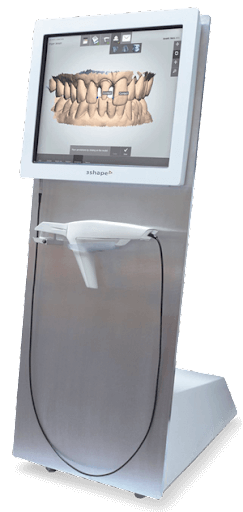
The first step in a great restoration is a great impression, and digital scanning has made this step easier and more accurate than ever. Unlike messy and uncomfortable traditional putty molds, intraoral scanners capture a precise 3D model of the patient’s dentition in minutes. As you know, digital scans are more exact and faster than old-fashioned molds, eliminating issues like distortion or air bubbles. For your practice, this means fewer retakes and a more pleasant patient experience. For the lab, it means receiving a perfect digital file instantly, allowing us to begin the design process without delay.
How Digital Workflows Ensure a Perfect Fit
The real magic happens when digital scans meet CAD/CAM systems. Using specialized software, lab technicians can design a crown that is perfectly tailored to the patient’s mouth. We can fine-tune every detail, from the marginal fit to the occlusal contacts, ensuring it works well when chewing and looks natural with the patient’s other teeth. This digital precision significantly reduces the need for chairside adjustments, saving you valuable time and getting your patient out the door faster. By embracing digital dentistry solutions, we can create restorations that not only look great but also function flawlessly within the patient’s unique bite.
The Custom Crown Process: From Scan to Seat
Ever wonder what happens between the moment you take a patient’s impression and when you receive a perfectly crafted crown? It’s a fascinating process that combines your clinical precision with our detailed artistry. Each custom crown is a unique piece, meticulously designed to restore a patient’s smile and function. While the steps might seem complex, modern dental labs have refined the workflow into a seamless journey from your chairside scan to the final restoration, ensuring predictable and high-quality outcomes for your practice.
The creation of a custom crown involves several key stages, each building upon the last. It starts with the essential information you provide, whether through a traditional impression or a digital file. From there, our skilled technicians and advanced technology take over, translating that data into a physical restoration. This process ensures that every detail, from the marginal fit to the occlusal anatomy, is just right. Understanding this workflow can help you communicate more effectively with your lab partner and set clear expectations for your patients. It’s a true collaboration between your practice and the lab. Let’s walk through the three main steps that transform a simple scan into a durable, esthetic crown or bridge that you can place with confidence.
The In-Office Preparation: What Happens Before the Lab Work?
Before a digital file or physical impression ever reaches our lab, the most critical work has already been done right in your office. The success of any custom restoration is directly tied to the quality of the tooth preparation. This foundational stage ensures that the final crown will have the proper fit, function, and longevity your patients expect. It involves meticulously preparing the tooth to create the ideal canvas for the restoration and protecting it while our technicians work their magic. This careful in-office preparation is the first and most important step in the collaborative process of creating a beautiful, durable crown.
Tooth Reshaping and Core Buildups
The first step in preparation is reshaping the tooth to make room for the crown material. This ensures the final restoration isn’t bulky and fits seamlessly within the patient’s bite. When a tooth has significant decay or damage, a core buildup is often necessary to create a stable foundation. A core buildup is a procedure that replaces missing tooth structure with a dental filling material, providing the necessary support and geometry for the crown. This step is absolutely essential for the long-term success of the restoration, as it gives us a solid and properly shaped base to build upon, ensuring the final crown is both strong and secure.
Placing a Temporary Crown
Once the tooth is prepared, it needs protection while the permanent restoration is being fabricated. This is where a temporary crown comes in. It serves several important functions: it shields the prepared tooth from sensitivity and bacteria, prevents the surrounding teeth from shifting into the empty space, and maintains the shape of the gum tissue. A well-fitted temporary crown also provides your patient with a functional and aesthetic solution, allowing them to eat and smile confidently. This crucial step ensures that when your custom crown and bridge case arrives from our lab, the prepared site is perfectly maintained and ready for a smooth and predictable seating appointment.
Step 1: Capturing the Perfect Impression
The journey of a custom crown begins in your practice. It all starts when you capture detailed molds or images of a patient’s teeth. While traditional physical impressions are still used, the process is increasingly moving toward digital scans. Using an intraoral scanner, you can create a highly accurate 3D model of the patient’s dentition in minutes. This method is not only faster and more comfortable for the patient but also eliminates the variables and potential inaccuracies associated with impression materials and stone models. The resulting digital file provides the lab with the precise data needed to design a restoration with an impeccable fit.
Step 2: Designing and Milling Your Crown
Once the lab receives your case, the digital magic begins. Using computer-aided design (CAD) software, a skilled technician designs the crown directly on the 3D model. This technology allows for incredible precision, ensuring ideal contacts, contour, and occlusion. After the design is finalized, it’s sent to a computer-aided manufacturing (CAM) unit. Here, advanced equipment like milling machines or 3D printers fabricate the crown from a solid block of high-quality material, such as zirconia or lithium disilicate. This automated process transforms the digital blueprint into a physical restoration with remarkable accuracy and speed, reducing the chance of human error.
Step 3: Finishing and Final Quality Checks
Fabrication isn’t the final step. After the crown is milled or printed, it undergoes a finishing process where artistry comes into play. Technicians add custom stains and glazes to mimic the natural shade and translucency of the patient’s surrounding teeth. They also polish the crown to ensure it feels smooth and comfortable. Before the crown is sent back to your practice, it goes through a rigorous quality control check. Our team at Next Dental Lab carefully inspects its shape, fit, and finish to make sure it meets our high standards and will provide your patient with a durable, long-lasting solution.
How Long Does a Custom Crown Take?
When you’re managing a busy practice, time is one of your most valuable assets. The time it takes for a dental lab to fabricate and return a custom crown directly impacts your schedule, your patient’s experience, and your overall workflow. While the industry average for a crown is about two to three weeks, this can vary significantly. Several factors come into play, including the complexity of the case, the materials chosen, and, most importantly, the technology and processes your lab partner uses. Understanding these variables helps you set clear expectations for your patients and choose a lab that aligns with the pace of your practice.
What Happens During the Production Timeline?
The clock starts the moment you send an impression or scan to the lab. A traditional timeline includes shipping the physical impression, which can take a few days. Once it arrives, the lab begins the fabrication process: creating a model, designing the crown, manufacturing it, and applying the final finishing touches like staining and glazing. After passing a quality control check, the crown is shipped back to your office. Each step requires meticulous attention to detail, and any delays—from shipping issues to requests for more information—can extend the total time.
Digital vs. Traditional: A Speed Comparison
This is where technology really changes the game. A digital workflow is almost always faster. When you send a digital scan, it arrives at the lab instantly, cutting out shipping time and potential distortions from physical impressions. Labs that use computer-aided design and manufacturing (CAD/CAM) can fabricate crowns with incredible speed and precision. Instead of manual waxing and casting, the crown is milled or 3D printed directly from the digital file. This not only speeds up production but also creates a consistently accurate fit, reducing the need for remakes.
Why Faster Turnaround Times Matter for Your Practice
A faster, more predictable turnaround time has a ripple effect across your entire practice. For your patients, it means fewer appointments and less time spent with a temporary restoration, which greatly improves their satisfaction. For your team, it means a more efficient schedule and less time spent on the phone tracking cases. When your lab partner provides a reliable timeline, you can book follow-up appointments with confidence and keep your daily operations running smoothly. A streamlined process for restorations like crowns and bridges allows you to focus more on patient care and less on logistics.
What’s the Real Cost of a Custom Crown?
Understanding the lab fees for a custom crown is essential for managing your practice’s overhead and providing clear estimates to patients. The final cost isn’t a single, flat rate; it’s a reflection of the materials, technology, and expertise required to create a restoration that is both durable and esthetically pleasing. Several key factors come into play, from the specific material you select for the patient’s needs to the intricacy of the case itself. By understanding what drives these costs, you can make more informed decisions for your practice and find a lab partner that delivers consistent value.
How Your Material Choice Affects the Price
The material you choose for a crown is one of the biggest factors influencing its cost. Each option offers a unique combination of strength, longevity, and esthetics tailored to different clinical situations. For example, full-cast gold crowns are known for their incredible durability and biocompatibility, making them a premium choice for posterior restorations. On the other hand, modern materials like Zirconia and glass-ceramics provide excellent, natural-looking results for anterior teeth. The price of these raw materials fluctuates, and the fabrication process for each varies in complexity, all of which is reflected in the final lab fee for your crown and bridge restorations.
Does a Complex Case Cost More?
Beyond materials, the specific requirements of each case play a significant role in determining the cost. A straightforward single-unit crown will naturally have a lower lab fee than a complex multi-unit bridge or a case requiring intricate custom shading to match adjacent teeth perfectly. Factors like the type of dental system used, the need for a custom abutment for an implant, or challenging margin preparations all require additional time and skill from the lab technician. This specialized attention ensures a precise fit and beautiful outcome, but it also contributes to the overall cost of the restoration.
Finding a Lab That Offers Quality and Value
Finding the right lab partner is about balancing cost with quality. The cheapest option isn’t always the best value if it leads to poor fits, frequent remakes, and chairside adjustments that cost you valuable time. True value comes from a lab that uses high-quality, biocompatible materials and has a meticulous quality control process to ensure every crown meets exact specifications. At Next Dental Lab, we focus on providing exceptional dental products that offer outstanding durability and esthetics at a competitive price point. Our efficient digital workflow allows us to reduce overhead and pass those savings on to you without ever compromising on quality.
Crown Longevity and Patient Care
Once you’ve seated a custom crown, the focus shifts from fabrication to long-term function. A high-quality restoration is a significant investment in a patient’s oral health, and its success depends on a partnership between your clinical expertise, the lab’s craftsmanship, and the patient’s daily habits. Educating your patients on what to expect and how to care for their new crown is just as important as the procedure itself. These conversations build trust and empower patients to protect their restoration for years to come, ensuring the outcome is as durable as it is beautiful.
How Long Do Dental Crowns Last?
Patients often ask, “How long will this last?” It’s a fair question, and setting realistic expectations is key. With proper placement and diligent care, a dental crown can last up to 15 years, and sometimes even longer. The lifespan depends on several factors, including the material used, the location in the mouth, and the patient’s oral habits. A zirconia crown on a molar will face different stresses than an all-ceramic crown on an incisor. The precision of the fit is also critical; a crown that is meticulously crafted by a quality-focused lab will have tight margins that protect the underlying tooth from decay, directly contributing to its longevity.
Patient Care for Long-Lasting Restorations
The long-term success of a crown is ultimately in the patient’s hands. You can guide them by emphasizing a few simple but crucial care instructions. Daily oral hygiene is non-negotiable; patients should brush twice a day and floss daily, paying special attention to the area where the crown meets the gum line to prevent plaque buildup. It’s also wise to advise them to avoid chewing on extremely hard things like ice or hard candy, which can damage the porcelain. Regular six-month check-ups are essential, as they allow you to inspect the crown’s integrity and address any potential issues before they become serious problems.
Discussing Insurance Coverage with Patients
The financial conversation is an unavoidable part of treatment planning. When it comes to crowns, insurance coverage can be nuanced. Typically, insurance plans will help cover a crown that is deemed medically necessary to restore a tooth’s function due to decay or fracture. However, coverage for crowns placed for purely cosmetic reasons might be limited or non-existent. Encourage your patients to review their specific benefits package to understand their coverage. Partnering with a lab that offers exceptional quality at a competitive price, like Next Dental Lab, can also help make treatment more accessible, ensuring patients can receive the best care regardless of their insurance situation.
How to Choose the Right Crown Dental Lab Partner
Selecting a dental lab is one of the most important decisions you’ll make for your practice. The quality of their work directly impacts your patients’ health and your professional reputation, making this partnership a cornerstone of your clinical success. A great lab isn’t just a supplier fulfilling orders; they’re an extension of your team, dedicated to achieving excellent outcomes on every case. Think about it: the fit of a crown, the esthetics of a veneer, the comfort of a denture—these are the tangible results your patients experience and judge your practice by.
When you’re evaluating potential partners, it helps to focus on a few key areas that separate the good from the great: the quality of their materials and craftsmanship, their technological capabilities, and the level of communication and support they provide. A lab that falls short in one area can create bottlenecks in your workflow, leading to frustrating chairside adjustments, costly remakes, and delayed treatment schedules. On the other hand, a reliable partner helps you deliver consistent, high-quality care that keeps patients happy and your schedule running smoothly. Finding a lab that excels in all three areas will not only streamline your operations but also build patient trust and set your practice up for long-term success.
Look for Certifications and Quality Materials
The final restoration you place is a reflection of your practice’s standards, so it’s essential to partner with a lab that prioritizes quality. Ask about the materials they use and the certifications they hold. A reliable lab will be transparent about its sourcing and use materials that meet high standards for strength, biocompatibility, and aesthetics. Next Dental Lab specializes in high-quality dental solutions designed for durability and accuracy. By using advanced technology like CAD/CAM systems, a top-tier lab can fabricate restorations with incredible precision, ensuring a perfect fit and a beautiful result every time. Don’t hesitate to ask for case studies or sample work to see their craftsmanship firsthand.
Is Your Practice Digitally Compatible?
In modern dentistry, a smooth digital workflow is non-negotiable. Your lab partner should be able to seamlessly integrate with your practice’s technology, whether you use an intraoral scanner or other digital tools. This compatibility is about more than just convenience; it reduces turnaround times, minimizes errors, and improves overall case accuracy. A digitally-savvy lab makes it easy to submit digital cases and track their progress. At Next Dental Lab, you can use your account to fill out RX forms, generate shipping labels, and send cases with just a few clicks. This level of integration streamlines your operations, freeing you up to focus more on patient care.
Why Communication and Support are Non-Negotiable
Even with the best technology, you need a human connection. A great lab partner is accessible, responsive, and communicative. When you have a question about a complex case or need to discuss specific requirements, you should be able to reach a knowledgeable technician who can provide clear answers. This partnership is built on the lab’s ability to create restorations that are meticulously crafted to your exact specifications. Look for a team that listens to your needs and works collaboratively to solve challenges. Strong communication and reliable customer support are the foundation of a long-term, successful relationship with your dental lab.
Ask About Guarantees and Remake Policies
Let’s be honest—even with the most precise scans and skilled technicians, remakes are a part of dentistry. The real test of a lab’s character is how they handle these situations. A lab’s guarantee and remake policy isn’t just fine print; it’s a direct reflection of their confidence in their craftsmanship and their commitment to your practice. A clear, fair policy shows that the lab sees itself as a true partner in patient care, one who is invested in getting the outcome right. It’s a crucial piece of the puzzle when you’re building a relationship based on trust and reliability.
When you’re reviewing a lab’s policies, look for transparency and a commitment to partnership. The best labs often have a straightforward, ‘no-fault’ approach, meaning they prioritize fixing the issue for the patient without getting caught up in placing blame. This demonstrates that they are an extension of your team, focused on delivering the best possible result. A solid guarantee is a sign that the lab stands behind its high-quality dental products and is dedicated to supporting your practice long-term. It’s one of the clearest indicators of a lab you can count on, case after case.
Why Partner with Next Dental Lab?
Choosing the right lab partner is a critical decision for your practice. It impacts everything from patient satisfaction and chair time to your bottom line. You need a lab that not only delivers high-quality restorations but also functions as a seamless extension of your team. At Next Dental Lab, we combine advanced technology, a comprehensive product range, and dedicated support to make that choice an easy one. We focus on providing the precision, value, and reliability you need to care for your patients and grow your practice.
Streamline Your Workflow with Our Digital Solutions
We’ve fully embraced the power of digital dentistry to deliver crowns with exceptional accuracy and consistency. Our use of computer-aided design and manufacturing (CAD/CAM) technology transforms the fabrication process, offering remarkable precision and speed for every case you send. This technology minimizes manual errors and ensures a perfect fit, reducing the need for chairside adjustments. We also utilize three-dimensional printing to further enhance efficiency and customization. It’s simple to send digital scans from your intraoral scanner and integrate our modern workflow directly into your practice.
Explore Our Range of High-Quality Crowns
Your patients have unique clinical needs, and you need a lab that offers a wide range of material options to meet them. Whether you require the superior esthetics of Zirconia or the proven long-term durability of full-cast crowns, we have the right solution for your case. We believe high-quality restorations shouldn’t come with a prohibitive price tag. As a full-service lab, we provide premium crown and bridge products at prices often 50% less than what you might expect from other labs, helping you manage costs without ever compromising on quality.
Count On Us for Fast, Reliable Support
We understand that efficiency is key to running a successful practice. That’s why we’ve streamlined our processes to ensure fast, predictable turnaround times, with most cases returned to your office in about 6-10 business days. With shipping centers in Florida, California, and New Jersey, we can receive and process your cases quickly. Beyond speed, our team is committed to providing excellent support and using only materials that meet high standards for strength, color stability, and biocompatibility. We’re here to be a reliable partner you can count on. You can learn more about our mission to support dental practices like yours.
Related Articles
- The Latest Innovations In Dental Crown Technology – Next Dental Lab
- Age-Related Factors In The Crown Dental Procedure: Best Practices For Dentists – Next Dental Lab
- Dental Bonding Vs. Dental Crown: Which Option Fits Your Patients Best?
- Dental Crown Vs. Filling: How Dentists Decide The Best Treatment
Frequently Asked Questions
How do I choose the best crown material for a specific patient? Choosing the right material is a collaborative decision based on your clinical judgment and the patient’s unique situation. Consider the tooth’s location first—posterior teeth require maximum strength, making Zirconia or full gold excellent choices. For anterior teeth where aesthetics are paramount, all-ceramic or lithium disilicate offers the most natural-looking translucency. It’s also helpful to discuss the patient’s habits, like grinding, and their cosmetic expectations to find the perfect balance of durability and appearance for their case.
What if my practice isn’t fully digital yet? Can I still send cases? Absolutely. While we champion the benefits of a digital workflow, we understand that every practice is at a different stage of its tech journey. We are fully equipped to handle traditional PVS impressions. You can simply fill out a prescription form on our website, print a free shipping label, and send your physical case to us. Once it arrives, our team takes care of the rest, ensuring your case is handled with the same precision and care as our digital submissions.
What’s the most common reason for a delay in turnaround time, and how can I avoid it? The most frequent cause of delays is incomplete or unclear information. This often involves a missing shade selection, an unclear margin on the impression or scan, or an incomplete prescription form. To ensure the fastest possible turnaround, it’s helpful to double-check that all required details are included with your case submission. Providing a clear, accurate impression or scan from the start allows our technicians to begin work immediately without needing to contact your office for clarification.
How can you offer competitive pricing without compromising on the quality of the materials or the final crown? Our pricing is a direct result of our efficiency. By embracing a streamlined digital workflow with CAD/CAM technology, we minimize manual labor and reduce material waste. This allows us to operate with lower overhead costs, and we pass those savings directly to you. We never cut corners on quality; we use the same high-grade, biocompatible materials as other top labs. Our value comes from optimizing our processes, not from compromising our standards.
What’s the easiest way to send my first case to Next Dental Lab? Getting started with us is simple. The first step is to create an account on our website. From there, you can easily fill out a digital RX form with all your case details. If you’re sending a digital scan, you can connect your scanner to our system directly. If you’re sending a physical impression, you can print a free, trackable shipping label right from your account. Our goal is to make the entire process as seamless as possible so you can get back to your patients.