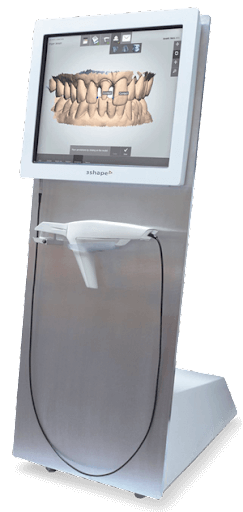
The relationship between a dental practice and a dental lab is a critical partnership built on communication and precision. Today, that partnership is powered by dental technology. When you adopt tools like intraoral scanners, you’re not just improving the patient experience; you’re sending your lab technicians the cleanest, most accurate data possible. This allows them to fabricate restorations with an impeccable fit, reducing chair-side adjustments and saving valuable time. This article covers the essential technologies that strengthen this collaboration, ensuring the journey from digital scan to final restoration is smooth, efficient, and results in a product you and your patient will love.
The dental profession constantly evolves, presenting new opportunities for improved patient care and practice efficiency. Advanced dentist technology empowers practitioners to deliver precise diagnoses and effective treatments. It reshapes how dental offices operate, making complex procedures more accessible and less invasive for patients. Dental professionals readily adopt these innovations to refine their craft and achieve better outcomes.
What Is Dental Technology, Anyway?
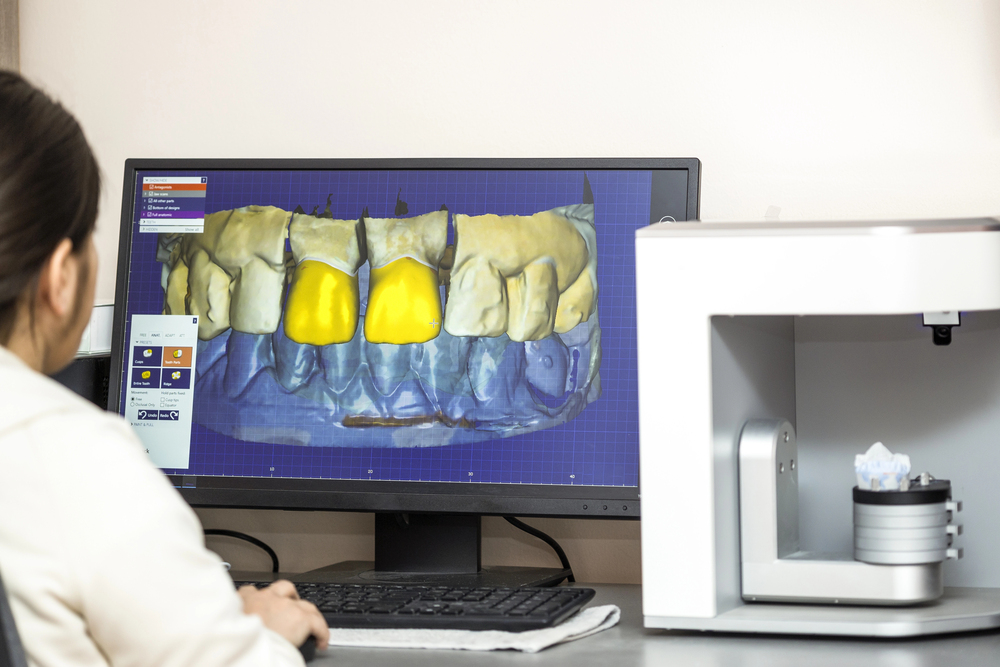 Dental technology encompasses the tools, devices, and software that dentists use to diagnose, treat, and prevent oral health conditions. These innovations streamline various procedures, from routine check-ups to complex restorative work, making dental care more accurate and comfortable. This equipment includes sophisticated imaging systems, advanced treatment instruments, and digital planning software. Dentists integrate these technologies into their daily workflow to enhance precision and achieve predictable results for every patient. This commitment to modern tools elevates the standard of care across all aspects of dentistry.
The People Behind the Technology: The Dental Technician
While advanced technology provides incredible tools, the real magic happens in the hands of skilled dental technicians. These professionals are the essential link between a dentist’s prescription and a patient’s restored smile. They are the artists and engineers who work behind the scenes, meticulously crafting every crown, bridge, and denture. In a dental lab, technicians combine their deep understanding of dental anatomy with technical skill to fabricate restorations that are not only functional but also aesthetically beautiful. Their expertise ensures that every custom piece fits perfectly and looks completely natural, directly impacting patient satisfaction and confidence.
At Next Dental Lab, our team of experienced technicians is the foundation of our work. They are the ones who transform a digital scan or a physical impression into a tangible, high-quality dental product. They work closely with dentists to ensure every detail of the prescription is met with precision. This collaborative spirit, paired with a passion for the craft, is what allows labs to consistently deliver reliable results. The technician’s role is a perfect blend of science and artistry, requiring a steady hand, a keen eye for detail, and a commitment to excellence that supports dental practices in providing the best possible care for their patients.
The Art and Science of Dental Fabrication
The work of a dental technician is a delicate balance between art and science. On the scientific side, they must have a thorough knowledge of oral anatomy, material properties, and the mechanics of a patient’s bite. They use this knowledge to create restorations that can withstand the daily forces of chewing while fitting seamlessly within the patient’s mouth. On the artistic side, they are sculptors, carefully shaping and coloring each restoration to match the patient’s natural teeth. This requires an incredible eye for subtle variations in shade, translucency, and shape. The goal is to create a piece that is indistinguishable from a real tooth, ultimately restoring a patient’s smile and self-esteem. It’s this combination of technical precision and creative talent that defines their craft and makes them invaluable partners to any dental practice.
What a Dental Technician Does
Dental technicians are skilled professionals who work in laboratories, translating a dentist’s instructions into custom-made dental restorations. Following a detailed prescription, they use patient impressions or digital scans to fabricate a wide range of items. Their work includes everything from single crowns and bridges to full and partial dentures and complex dental implants. They collaborate closely with dentists to ensure each piece meets the specific functional and aesthetic needs of the patient. This partnership is crucial for achieving successful outcomes, as the technician’s expertise in fabrication complements the dentist’s clinical work.
Materials of the Trade
To create high-quality dental products, technicians work with a diverse palette of materials. Their toolkit includes waxes for modeling, specialized plastics, and various metals and alloys for frameworks. They are also masters of working with advanced ceramics like porcelain and zirconia, which are used to create lifelike crowns and bridges that mimic the appearance of natural tooth enamel. Each material has unique properties, and a skilled technician knows exactly which one to use to achieve the desired strength, durability, and aesthetic result for every individual case they handle.
Education and Certification Path
Becoming a dental technician requires specialized education and training. Most individuals enter the field by completing a two-year associate degree or certificate program offered at community colleges, vocational schools, or dedicated dental schools. These programs provide a strong foundation in dental anatomy, materials science, and fabrication techniques. For those seeking a more advanced understanding of the field, some institutions also offer four-year bachelor’s programs in dental technology. This formal education equips technicians with the essential knowledge and hands-on skills needed to create precise and high-quality dental restorations that meet clinical standards.
Becoming a Certified Dental Technician (CDT)
For dental technicians looking to demonstrate a higher level of proficiency and commitment to their profession, becoming a Certified Dental Technician (CDT) is a significant achievement. This voluntary certification is awarded by the National Board for Certification in Dental Laboratory Technology after an individual passes a series of rigorous exams. Earning the CDT designation signifies that a technician possesses an exceptional level of knowledge and skill in their chosen specialty, whether it’s crowns and bridges, ceramics, or dentures. It serves as a mark of excellence and a commitment to lifelong learning in the ever-evolving field of dental technology.
The Dental Technology Innovations Changing Everything
In recent years, significant advancements have reshaped the dental profession, offering unprecedented capabilities for practitioners. Digital X-rays, for instance, emit less radiation while providing clearer images, allowing for more accurate diagnoses. Intraoral scanners create highly detailed 3D models of teeth and gums, eliminating the need for uncomfortable traditional impressions. These innovations improve diagnostic accuracy and enhance the patient experience significantly. Such tools allow dentists to plan treatments with greater precision and deliver superior results for their patients.
Cone-Beam Computed Tomography (CBCT)
Cone-beam computed tomography, or CBCT, is a game-changer for comprehensive diagnostics. This specialized 3D X-ray system captures a complete scan of a patient’s teeth, jaw, and facial structures in a single rotation. The result is an incredibly detailed, three-dimensional view from multiple angles, offering far more information than a traditional X-ray. This level of detail is invaluable for complex treatment planning, from orthodontics to diagnosing temporomandibular joint (TMJ) issues. For restorative work, CBCT allows you to precisely assess bone health and identify the optimal placement for dental implants, setting the stage for successful surgical outcomes and long-lasting restorations.
Laser Diagnostics for Early Cavity Detection
Catching cavities early is key to conservative treatment, and laser diagnostic tools make it easier than ever. Devices like the Laser Fluoroscope DIAGNOdent™ can identify incipient caries long before they become visible to the naked eye or even appear on a standard X-ray. The process is quick, non-invasive, and completely painless for the patient. By detecting decay at its earliest stage, you can often intervene with a simple filling, preserving more of the natural tooth structure. This approach not only improves patient outcomes but also reinforces your practice’s commitment to minimally invasive dentistry and preventive care.
Advanced Waterline Safety Systems
Patient safety is paramount, and that includes the water used during procedures. Advanced waterline safety systems ensure that your dental unit water lines remain free from harmful bacteria. For example, products like the Sterisil® Straw use silver technology to continuously disinfect the water as it flows through the tubing. This simple but effective system ensures that the water used for rinsing and spraying is exceptionally clean—in some cases, over 50 times cleaner than what current health guidelines require. Implementing this technology demonstrates a powerful commitment to infection control and gives patients peace of mind, knowing their health is protected down to the smallest detail.
A Better Patient Experience Through Dental Technology
Modern dental technology plays a vital role in enhancing patient care by making treatments more efficient, less painful, and highly personalized. Digital tools enable dentists to identify issues earlier, often before they become major problems, leading to more conservative interventions. Patients experience reduced chair time and quicker recovery periods due to the precision offered by these advanced instruments. The integration of cutting-edge technology also promotes better communication between dentists and patients, as visual aids help explain treatment plans clearly. Ultimately, these technological strides contribute to a more positive and effective dental experience for everyone.
The Comfort and Accuracy of Digital Impressions
Gone are the days of goopy, uncomfortable impression trays that can trigger a patient’s gag reflex. Digital impressions have completely transformed this foundational step in restorative dentistry. Using a small, wand-shaped camera, you can quickly scan a patient’s teeth to create a precise 3D model on a computer. This process is not only significantly more comfortable for the patient but also yields a far more accurate result. This precision is critical for the dental lab, as it allows technicians to fabricate restorations with an impeccable fit. When a lab receives a clean digital scan, they can create more accurate crowns and bridges, reducing the need for adjustments and saving valuable chair time.
Restoring Function for a Better Quality of Life
Beyond aesthetics, the primary goal of many dental procedures is to restore function. Technology plays a huge part in helping patients regain the ability to eat, speak, and smile without discomfort or self-consciousness. Dental lab technicians use these advanced tools to craft custom prosthetics that seamlessly integrate with a patient’s existing oral structure. According to the American Dental Association, these professionals combine art and science to create devices that improve quality of life. From full dentures that allow someone to enjoy their favorite foods again to dental implants that provide a stable, long-term solution for missing teeth, technology makes it possible to give patients back the function they’ve lost.
Enhancing Aesthetics and Patient Confidence
A beautiful smile can have a profound impact on a person’s confidence. Modern dental technology empowers dentists and lab technicians to create restorations that are virtually indistinguishable from natural teeth. Digital shade matching, custom milling, and 3D printing allow for a level of personalization that was once unimaginable. This ensures that every crown, veneer, or bridge perfectly matches the patient’s unique smile. When patients see a final restoration that looks and feels natural, it can significantly improve their self-esteem. This close collaboration between your practice and the dental lab is key to achieving these life-changing aesthetic outcomes and helping people feel truly confident in their smiles again.
Why Lasers Are a Game-Changer for Dentists
Laser technology represents a significant leap forward in various dental procedures, offering numerous advantages over traditional methods. Lasers minimize bleeding and swelling during soft tissue surgeries, promoting faster healing times for patients. They also allow for precise removal of decayed tooth structure, preserving more healthy tooth material. Patients often report less discomfort and require less anesthesia when dentists use lasers for certain treatments. This advanced approach provides a more comfortable and efficient experience, making dental visits less daunting for many individuals.
How 3D Printing Is Reshaping Modern Dentistry
Three-dimensional printing technology revolutionizes dental practices by allowing dentists to create custom appliances and models in-house with remarkable speed and accuracy. This innovation facilitates the rapid production of dental crowns, bridges, surgical guides, and orthodontic aligners directly in the office. Dentists design these custom pieces with digital precision, ensuring a perfect fit and optimal function for each patient. The ability to manufacture these items on-site reduces turnaround times and significantly improves the efficiency of various dental procedures. This transformative technology empowers dental professionals to deliver highly personalized and efficient care.
In-Office Production of Dental Appliances
This technology brings the dental lab right into your practice, allowing for the in-house creation of custom appliances with incredible speed and accuracy. With a 3D printer, you can produce dental crowns, bridges, surgical guides, and even orthodontic aligners on-site. Dentists can design these pieces with digital precision, ensuring a perfect fit for every patient. This capability dramatically reduces the turnaround time between diagnosis and treatment, streamlining your workflow and improving overall practice efficiency. It’s a powerful way to deliver highly personalized and responsive care without the wait.
Integrating Technologies for Advanced Treatment Planning
The real magic happens when different technologies come together. Digital X-rays provide clearer diagnostic images with less radiation, while intraoral scanners create incredibly detailed 3D models of a patient’s teeth and gums, completely replacing the need for traditional impressions. These tools not only make the experience more comfortable for your patients but also give you a more accurate foundation for treatment planning. Once you have a precise digital model, you can plan procedures with greater confidence and achieve superior results. It also simplifies collaboration, as you can easily send digital cases to your lab partner for seamless fabrication.
Upgrade Your Practice with Next Dental Lab
We assist dental offices and licensed dentists as they transform their practices with leading digital dentistry solutions. Our team provides expert guidance and superior products that improve patient outcomes. You achieve seamless integration of advanced digital dentistry solutions that streamline your workflow and enhance precision. We offer access to state-of-the-art CAD/CAM dentistry equipment that elevates the quality and efficiency of your restorative and prosthetic work. Partner with Next Dental Lab and unlock the future of dental care today.
Frequently Asked Questions
How does sending a digital scan instead of a physical impression really help my dental lab? A digital scan provides your lab technician with the purest possible data from the start. Unlike physical impressions that can distort, have air bubbles, or be damaged during shipping, a digital file is a perfect, unchangeable replica of the patient’s mouth. This pristine starting point allows the technician to design and fabricate a restoration with incredible precision, which directly leads to a better final fit.
My practice is considering a 3D printer. Does this replace the need for a dental lab? While in-office 3D printing is fantastic for producing items like surgical guides or temporary crowns quickly, it doesn’t replace the comprehensive partnership of a full-service lab. Labs offer a wider range of advanced materials and can handle more complex, aesthetic-driven cases that require a high degree of artistry. Think of it as another great tool in your toolkit, with the lab remaining your expert partner for specialized and final restorative work.
Why should I care if my lab technician is a Certified Dental Technician (CDT)? Partnering with a Certified Dental Technician means you’re working with a professional who has formally demonstrated a high level of skill and knowledge in their specialty. The CDT designation is a mark of dedication to the craft, signifying that the technician has passed rigorous exams and is committed to upholding the highest standards. This expertise translates into more reliable, consistent, and beautifully crafted restorations for your patients.
Beyond diagnostics, what’s the main advantage of using CBCT for restorative cases? For restorative work, especially dental implants, CBCT is invaluable for precision planning. It gives you a detailed 3D view of the patient’s bone structure, nerve pathways, and surrounding anatomy. This allows you to plan the exact angle and position for an implant with complete confidence, ensuring a successful surgical outcome and creating the ideal foundation for the final crown or bridge your lab will fabricate.
How does advanced technology reduce chair-side adjustment time? It all comes down to accuracy from the very beginning. When you use tools like intraoral scanners, you send a flawless digital model to the lab. The technician can then use that perfect data to create a restoration that fits precisely from the moment you receive it. This eliminates the time-consuming process of grinding, polishing, and making minor tweaks while the patient is in the chair, making appointments more efficient for you and more pleasant for them.
Key Takeaways
- Strengthen your lab partnership with better data: Digital tools like intraoral scanners provide your dental technician with the precise information they need to fabricate restorations that fit perfectly, fostering a more efficient and collaborative relationship.
- Improve patient outcomes, from function to confidence: Modern dental technology allows for the creation of highly accurate and aesthetic restorations, helping you restore your patients’ ability to eat and speak comfortably while giving them a smile they feel great about.
- A digital workflow reduces chair-side adjustments: By starting with a precise digital impression, you minimize the guesswork in the fabrication process, resulting in restorations that require less modification and save you valuable time during seating appointments.