The conversation around modern dentistry is dominated by digital workflows, and for good reason. Sending a digital scan is faster and more comfortable for patients, but what happens after you click “send”? The success of that digital file relies entirely on the technology at the receiving end. A lab’s investment in high-quality dental lab equipment, like advanced milling machines, 3D printers, and design software, is what transforms your data into a flawless restoration. Understanding this technology is no longer optional—it’s essential for any practice that wants to fully leverage the benefits of digital dentistry and ensure consistent, accurate results for every case.
Having a beautiful smile can instantly light up a room and be contagious. However, for individuals who don’t naturally have strong teeth, smiling can feel less confident. Fortunately, advancements in dental technology have transformed the way dental treatments are planned and delivered. High-quality dental lab equipment allows dental professionals to create restorations that are more precise, efficient, and natural-looking than ever before. From digital impressions to CAD/CAM systems, modern dental lab technology improves accuracy, reduces turnaround time, and enhances patient comfort. Understanding the importance of high-quality dental lab equipment helps dental practices deliver better outcomes while staying competitive in today’s rapidly evolving dental industry.
Types of Dental Lab Equipment
A dental lab is filled with a fascinating mix of tools and technology, each playing a specific role in crafting beautiful restorations. From the foundational instruments that have been lab staples for years to cutting-edge digital systems, the equipment can be grouped into a few key categories. Understanding these different types of machinery helps clarify the entire restoration process, whether you’re running an in-house lab or collaborating with an external partner. The main categories include the essential core machinery for day-to-day tasks, advanced digital equipment that streamlines workflows, and specialized tools designed for specific types of restorations like crowns or dentures.
Essential and Core Machinery
These are the foundational tools that form the backbone of any dental laboratory. Long before digital workflows became common, this core machinery was used to create durable and esthetic restorations through skilled, hands-on techniques. Almost every dental lab needs basic items like workbenches, good lighting, dust collectors, and a reliable handpiece. These items create a safe, clean, and efficient environment for technicians to perform the detailed work required. They are the non-negotiable basics that support every other process in the lab, ensuring that technicians can work precisely and comfortably on every case that comes through the door.
Workbenches, Handpieces, and Dust Collectors
A well-equipped workbench is the command center for a dental technician. It provides the space and organization needed for intricate tasks, supported by powerful lighting to ensure every detail is perfect. Handpieces are the versatile, high-speed tools used for grinding, adjusting, and polishing various materials with extreme precision. To maintain a clean and safe workspace, dust collectors are essential for capturing airborne particles generated during these processes. Together, these core components create a functional environment where technicians can apply their artistry and skill to craft high-quality dental restorations for your patients.
Articulators, Trimmers, and Lathes
Beyond the basic setup, several other machines are vital for creating accurate models and finishing restorations. Articulators are mechanical devices that simulate the patient’s jaw movements, allowing technicians to check the bite and function of a crown or bridge before it’s finalized. Model trimmers are used to shape and smooth the stone models poured from impressions, creating a clean and accurate base to work from. Finally, dental lathes are used for polishing and finishing restorations, giving them a smooth, life-like surface. These tools are fundamental to the hands-on craftsmanship that defines traditional dental lab work.
Digital Dentistry Equipment
The shift toward digital technology has transformed how dental labs operate, introducing a new class of equipment that enhances precision, consistency, and efficiency. Digital dentistry tools allow for a more streamlined workflow, from receiving a digital impression to fabricating the final restoration. This technology minimizes the potential for human error and often reduces the time needed to complete a case. For dental practices, partnering with a lab that embraces these advancements means you can send digital cases with confidence, knowing the final product will be exceptionally accurate and consistent, leading to better patient outcomes and fewer adjustments.
3D Printers and Milling Machines
At the heart of the digital lab are 3D printers and milling machines. These devices work with CAD/CAM (computer-aided design/computer-aided manufacturing) software to turn a digital design into a physical object. Milling machines carve restorations like crowns and bridges from solid blocks of ceramic or zirconia with incredible precision. 3D printers, on the other hand, build objects layer by layer, and are often used to create surgical guides, dental models, and custom impression trays. These technologies are incredibly useful for designing and making both fixed and removable dental parts for labs of all sizes.
Digital Scanners
Digital scanners are the gateway to a fully digital workflow. In the dental practice, intraoral scanners capture detailed 3D images of a patient’s teeth, eliminating the need for messy traditional impressions. In the lab, desktop scanners are used to digitize physical models and impressions, converting them into a digital file that can be used in CAD software. This technology not only improves patient comfort but also creates a highly accurate digital record that can be easily shared. When your practice is ready to go digital, you can connect your scanner directly with your lab partner for a seamless and efficient process.
Specialized Equipment
While some equipment is universal, other tools are needed for very specific types of restorations. Labs that offer a full range of products must invest in specialized machinery to handle different materials and fabrication processes. For example, the equipment needed to create a metal-based crown is completely different from what’s required for a flexible partial denture. This specialization ensures that each type of restoration is crafted using the ideal process and materials, resulting in a final product that is both durable and esthetically pleasing. This is why full-service labs often have distinct departments for different product lines.
Casting Machines and Ceramic Furnaces
For creating traditional porcelain-fused-to-metal (PFM) restorations, labs rely on casting machines. This process involves creating a wax pattern of the restoration, encasing it in an investment material, and then using a casting machine to inject molten metal into the mold. For all-ceramic restorations like zirconia or Emax crowns and bridges, a different set of tools is needed. After being milled, these restorations are placed in a high-temperature ceramic furnace. The furnace sinters, crystallizes, and glazes the ceramic, giving it its final strength and natural-looking appearance.
Denture and Removables Systems
Fabricating dentures and other removable prosthetics requires a unique set of equipment designed for working with acrylics and other specialized polymers. This includes pressure pots and curing units that process the acrylic base of the denture, ensuring it is strong, dense, and comfortable for the patient. Technicians also use specialized articulators and flasks to set the denture teeth accurately and create a proper bite. For advanced cases like hybrid dentures, even more specific systems may be required to combine the acrylic base with a titanium framework, offering patients a robust and long-lasting solution.
How to Choose the Right Dental Lab Equipment
Selecting the right equipment is one of the most critical decisions for any dental lab, whether it’s a new startup or an established business looking to expand its services. The choices made will directly impact the lab’s efficiency, the quality of its restorations, and its ability to stay competitive. It’s not just about buying the latest technology; it’s about making strategic investments that align with the lab’s business goals and operational needs. Making a thoughtful decision involves carefully considering the types of services you’ll offer, the physical layout of your space, the support you’ll receive from suppliers, and the long-term maintenance requirements of each piece of machinery.
Align Equipment with Your Services
The first step in choosing equipment is to clearly define the services your lab will provide. Your equipment needs will be guided by the types of dental restorations you plan to create. A lab specializing in high-end cosmetic ceramic veneers will need different furnaces and CAD/CAM systems than a lab focused on producing durable removable dentures. If you plan to offer a full range of products, including crowns, implants, and removables, you’ll need to invest in a wider array of machinery. By starting with a clear vision of your service offerings, you can create a targeted equipment list that directly supports your business model and avoids unnecessary expenditures.
Factor in Your Lab’s Space and Workflow
Practical considerations like your lab’s physical layout and workflow are just as important as the technology itself. Before purchasing any large equipment, carefully measure your available space to ensure everything will fit comfortably. Think about how technicians will move through the lab during the day. The placement of equipment should create a logical and efficient workflow, minimizing unnecessary steps and preventing bottlenecks. A well-designed lab layout not only improves productivity but also contributes to a safer and more organized work environment for your team. Make sure the equipment’s size and shape will fit well and can be used comfortably.
Evaluate Supplier Support and Training
A piece of equipment is only as good as the support that comes with it. When investing in complex machinery, especially digital systems, it’s crucial to partner with suppliers who offer excellent customer service, training, and technical support. Ask potential suppliers about their training programs to ensure your team can get up to speed quickly. You’ll want reliable help if something goes wrong, as equipment downtime can be disruptive and costly. A supplier who acts as a true partner will provide ongoing support to help you get the most out of your investment for years to come.
Understand Maintenance Requirements
To protect your investment and ensure consistent, high-quality results, you need to understand the maintenance requirements for every piece of equipment you purchase. Regular maintenance is key to extending the lifespan of your machinery and preventing unexpected breakdowns. Before you buy, ask the supplier about the routine cleaning and calibration procedures needed to keep the equipment working perfectly. Understanding these long-term care requirements will help you factor maintenance time and costs into your operational plan, ensuring your lab runs smoothly and efficiently without interruption.
Achieve Unmatched Precision and Accuracy
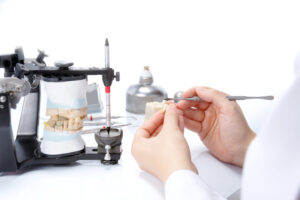 High-quality dental lab equipment plays a critical role in achieving precise and accurate dental restorations. Technologies such as CAD/CAM systems, digital scanners, and 3D printing enable dental technicians to design restorations based on exact digital measurements rather than traditional molds. This leads to restorations that fit more accurately and require fewer adjustments. Enhanced precision reduces the likelihood of remakes, saving both time and resources for dental practices. Patients also benefit from restorations that feel more natural, function properly, and last longer.
Streamline Your Practice’s Workflow
Modern dental lab equipment significantly improves workflow efficiency by automating labor-intensive tasks. Digital design software and milling machines reduce production time while maintaining consistent quality. This allows dental labs to handle higher case volumes without compromising precision. For dental practices, faster workflows mean shorter treatment timelines and improved patient scheduling. Efficiency also reduces operational costs and minimizes delays caused by errors or remakes.
Create a Better Patient Experience
Advanced dental lab equipment enhances patient comfort by eliminating traditional impression materials and reducing chair time. Digital impressions provide a faster, cleaner, and more comfortable experience while improving overall accuracy. Patients also benefit from restorations that look and feel more natural, boosting confidence and trust in their dental provider.
Invest in Dental Lab Equipment That Lasts
High-quality dental lab equipment is built to withstand continuous use in demanding lab environments. Durable machines require less maintenance, reduce downtime, and provide consistent performance over time. This long-term reliability leads to cost savings and ensures dental practices can consistently deliver high-quality restorations without production disruptions.
The Operational Side of a Modern Dental Lab
Beyond the high-tech equipment, a successful dental lab runs on a solid operational foundation. It’s a blend of strategic planning, skilled craftsmanship, and efficient design. For dental practices looking to partner with a lab or even start their own, understanding these core components is essential. It’s about more than just producing restorations; it’s about creating a system that consistently delivers quality, reliability, and value. From identifying your place in the market to building the right team and designing a compliant workspace, each element plays a vital role in the lab’s ability to support your practice and serve your patients effectively.
Finding Your Niche in a Growing Market
The demand for advanced dental solutions, especially permanent restorations like implants, is on the rise. This growth creates opportunities, but it also means you need a clear focus. Before anything else, it’s important to decide which services your lab will excel at. Will you specialize in cosmetic cases like veneers, or focus on complex full-arch restorations? Some labs find success by concentrating on a specific area, while others, like us at Next Dental Lab, build a reputation as a full-service partner for everything from crown and bridge work to removables. The key is to research the market, identify what local practices need most, and build your services around that demand.
Building a Skilled Technical Team
Your lab’s output is only as good as the technicians creating it. Assembling a team of experts is non-negotiable. Look for professionals with proven experience and a deep understanding of dental anatomy and materials. A great lab isn’t just staffed with people who have the same skill set; it’s built with a diverse team of specialists. You need technicians who are masters of their craft, whether that’s in ceramics, digital design, or denture setup. This collective expertise ensures that every case, no matter how complex, is handled with precision. A talented and collaborative team is the engine that drives quality and innovation in any dental lab.
Lab Design and Regulatory Considerations
The physical layout of your lab directly impacts efficiency and workflow. A well-designed space should be organized, clean, and compliant with all health and safety regulations. It needs adequate room for workstations, equipment, and storage, all arranged to create a logical flow from case arrival to final shipment. An efficient layout minimizes wasted steps and helps technicians work more effectively. This is especially true when integrating digital technology. A modern lab must be set up to seamlessly handle digital case submissions and manage CAD/CAM workflows, ensuring that every restoration moves through the production process smoothly and without delay.
Keep Your Practice Modern and Competitive
Dental practices can stay ahead of industry trends and advancements by embracing high-quality dental lab equipment. Digital dentistry is continuously evolving, and keeping up with the latest technologies ensures that practices can offer cutting-edge treatments to their patients. Investing in equipment that supports digital workflows and integrates with other dental systems positions practices as leaders in the field, attracting more patients and expanding their range of services. The significance of high-quality dental lab equipment cannot be overstated. It is a crucial investment for dental practices aiming to provide exceptional care and meet the evolving needs of patients. Want to prioritize quality lab equipment and dental lab services that can deliver outstanding results? Maintain a competitive edge in today’s dynamic dental landscape with Next Dental Lab! now for more information.
Frequently Asked Questions
Why should I care about the specific equipment my dental lab uses? The equipment your lab partner uses has a direct impact on the final restorations you receive at your practice. High-quality milling machines, printers, and scanners translate to better accuracy, a more consistent fit, and superior esthetics. This means fewer adjustments for you at the chair, saving valuable time and leading to a better overall experience for your patients.
Do digital tools like 3D printers and milling machines really produce a better result than traditional methods? Yes, they make a significant difference. Digital fabrication removes many of the variables and potential for human error that can occur with manual processes. A milling machine, for example, carves a crown based on exact digital measurements, resulting in a level of precision that is incredibly difficult to achieve by hand. This leads to restorations with a more reliable fit and finish every time.
My practice is thinking about going digital. How does a lab’s technology support that switch? A lab with a strong digital foundation makes your transition much smoother. When you send a file from your intraoral scanner, our systems can integrate that data seamlessly into our workflow. This direct connection allows for faster communication and quicker turnaround on your cases. It ensures that your investment in an intraoral scanner is supported by a partner who can maximize its potential from day one.
Is it the technician’s skill or the quality of the equipment that’s more important for a great restoration? The best outcomes happen when both are exceptional. You can’t have one without the other. A skilled technician’s artistry and understanding of dental anatomy are essential for creating a beautiful, functional restoration. High-quality equipment gives that technician the tools to execute their vision with incredible precision and consistency, ensuring their expertise is perfectly translated into the final product.
What kind of equipment is needed for more complex restorations like crowns or dentures? Different restorations require different specialized tools. For an all-ceramic crown, a lab uses a CAD/CAM system to design the restoration, a milling machine to carve it from a block of zirconia or ceramic, and a high-temperature furnace to give it final strength and color. For dentures, the process involves specialized articulators to set the bite correctly and curing units that process the acrylic base to ensure it is strong and comfortable.
Key Takeaways
- Digital Scans Require High-Tech Lab Equipment: The success of your digital impressions depends entirely on the lab’s ability to process them accurately. High-quality milling machines, 3D printers, and design software are what transform your scan into a restoration that fits perfectly, saving you valuable chair time.
- Specialized Tools Lead to Superior Restorations: A full-service lab uses specific equipment for each type of case, whether it’s a zirconia crown or a flexible partial. This ensures every restoration is made with the ideal process, leading to better durability and more natural-looking results for your patients.
- Technology and Craftsmanship Go Hand-in-Hand: The best equipment is only effective in the hands of skilled technicians. A reliable lab partner invests equally in advanced machinery and the expert team needed to run it, ensuring you receive consistently excellent work on every case.
Related Articles
- High-Quality Dental Lab Equipment: Why It Matters – Next Dental Lab
- Dental Technology Explained: What It Is And Why It Is Important – Next Dental Lab
- 5 Key Trends in Modern Dental Technology
- CAD/CAM Dentistry: Digital Transformation | Next Dental Lab
- 8 Advanced Dental Technology Trends for Your Practice