
Think about the variety of cases you handle in a typical week: fabricating a set of partials, creating a custom tray for a precise impression, or performing a quick denture repair. A common thread connecting these procedures is the use of acrylic. Its adaptability makes it one of the most useful materials at your disposal, suitable for both permanent prosthetics and temporary solutions. Whether you need the high-impact strength for a long-term appliance or the rapid setting time for a chairside adjustment, there’s an acrylic for the job. We’ll break down the different types of dental acrylics and their specific clinical applications.
When it comes to dental restorations, materials matter. Strength, flexibility, and cost all affect how successful a restoration is and how satisfied the patient feels afterward. Acrylic materials, used in everything from dentures to nightguards, have become a reliable choice for both temporary and long-term dental solutions. At Next Dental Labs, we use high-quality acrylic to help dentists create durable, affordable, and easy-to-adjust restorations.
Why is Acrylic a Staple in Dentistry?
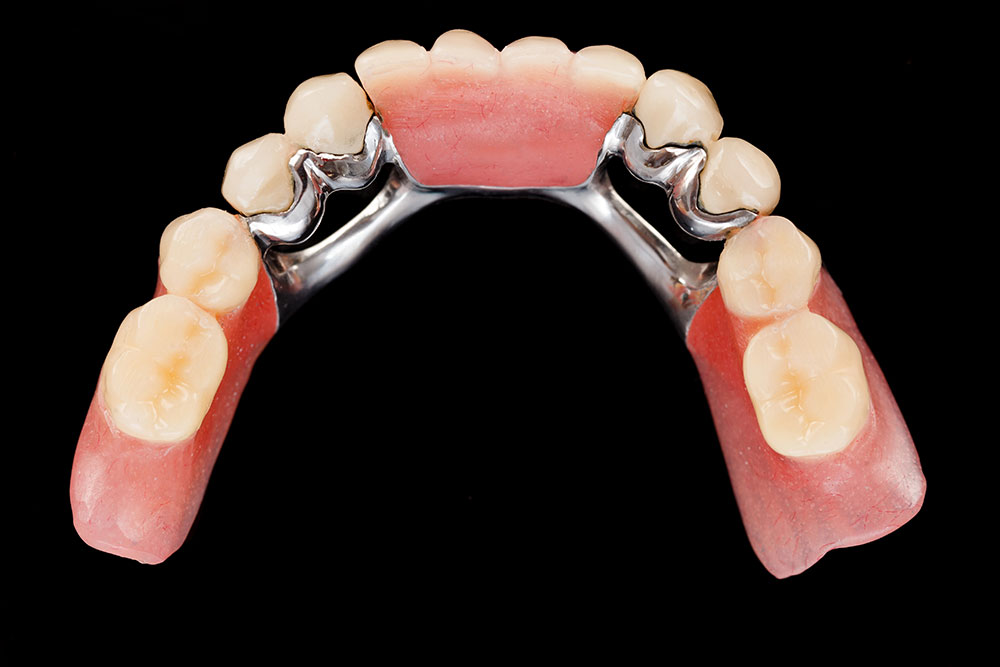 Acrylic has long been valued in dentistry for its unique combination of properties. It’s lightweight yet strong, easy to shape, and can be polished to a smooth, natural-looking finish. These characteristics make it ideal for procedures that require both comfort and functionality. Some of the key benefits of using acrylic include:
- Custom Fit: Acrylic can be molded to fit each patient’s unique anatomy, which is especially important for partials, dentures, and nightguards.
- Affordability: Compared to other materials, acrylic is cost-effective without sacrificing performance.
- Repairability: If a restoration cracks or needs to be relined, acrylic is much easier to repair than more rigid materials.
- Aesthetic Appeal: With the right shade and finish, acrylic blends seamlessly with the natural oral environment.
Material Composition and Lifespan
Understanding what acrylic is made of and how long it can last helps explain why it’s such a trusted material in dental labs and practices. Its chemical properties give it a unique blend of strength and flexibility, while its expected lifespan offers a reliable solution for patients. When you can confidently explain the material’s background and durability, you build greater trust and manage expectations effectively. When crafted with expertise, acrylic restorations provide a durable and functional option that stands up to daily wear and tear, giving patients peace of mind and reinforcing their confidence in your care.
Chemical Makeup
At its core, acrylic resin is a synthetic plastic material that has become a go-to in dentistry for creating everything from dentures to temporary crowns. According to dental resource Overjet, it is “favored for its moldability, durability, and lightweight properties.” This unique combination is what makes it so versatile. The material starts as a powder and liquid that, when mixed, can be molded with precision to fit a patient’s exact anatomy. Once it sets, it becomes a strong, yet light, final product. This process allows labs like ours to fabricate comfortable and perfectly fitted removables that patients can wear with confidence.
Durability and Longevity
When patients ask how long their acrylic restorations will last, the answer often depends on their care routine and individual biological factors. With proper maintenance, acrylic dentures can serve a patient well for five to eight years. However, as Sandor Family Dentistry notes, factors like changes in a “wearer’s jaw or facial structure” can alter the fit over time, requiring adjustments. This is where acrylic’s repairability becomes a major advantage. While it’s strong enough for everyday function, it can also be easily relined or repaired if it cracks, making it a practical and resilient choice for long-term use.
Aesthetics and Customization
Beyond its functional benefits, acrylic shines in its ability to be customized for a natural and seamless appearance. A successful restoration is one that not only works well but also looks great, restoring a patient’s confidence along with their smile. The psychological impact of a lifelike restoration cannot be overstated. Acrylic’s adaptability allows for a high degree of personalization, from matching the shade of the gums to selecting the perfect tooth color. This ensures the final result is not just a functional device, but a beautiful and integrated part of the patient’s appearance.
Variety of Shades and Colors
Acrylic restorations are an excellent choice for helping patients “bring back the natural look and use of your teeth,” as noted by Aspen Dental. The material can be pigmented to match a wide range of gum tissue shades, ensuring the base of a denture or partial blends flawlessly with the patient’s mouth. The teeth themselves can also be customized in shape, size, and color to create a harmonious and realistic smile. This level of aesthetic control is crucial for patient satisfaction. We work closely with dental practices to achieve the ideal characterization, ensuring the final product from our dental lab is something both the dentist and the patient can be proud of.
Types of Dental Acrylics
Not all acrylics are created equal. The primary difference between them lies in how they are cured, or hardened. This curing process determines the material’s final properties, such as its strength and stability, which in turn dictates its best use in a clinical setting. Understanding the three main types of dental acrylics—heat-cured, self-cured, and light-cured—can help you select the ideal material for any given procedure, from crafting durable full dentures to performing a quick chairside repair. Each type offers a unique set of benefits tailored to specific dental applications.
Heat-Cured Acrylics
Heat-cured acrylics are the workhorses of the dental lab, known for their exceptional strength and durability. This material starts as a powder and a liquid that, when mixed, form a pliable, dough-like substance. The magic happens when heat is applied, initiating a polymerization process that transforms the material into a hard, dense, and stable final product. Because of their superior longevity and natural-looking aesthetics, heat-cured acrylics are the gold standard for fabricating long-term prosthetics. They are the go-to choice for high-quality removables like full and partial dentures, as well as various orthodontic appliances that need to withstand daily wear and tear.
Self-Curing (Cold-Cured) Acrylics
When speed is a priority, self-curing acrylics are the perfect solution. Also known as cold-cured acrylics, these materials harden at room temperature through a chemical reaction, eliminating the need for an external heat source. After mixing the powder and liquid components, the material begins to set on its own, typically within minutes. This rapid setting time makes it incredibly useful for chairside procedures like denture repairs, relines, and creating custom impression trays. While not as strong as their heat-cured counterparts, self-curing acrylics provide a fast, reliable option for temporary restorations and adjustments, allowing you to provide immediate solutions for your patients.
Light-Cured Acrylics
Light-cured acrylics offer the ultimate control over the fabrication process. This type of acrylic is supplied as a gel or putty that remains workable until it’s exposed to a specific wavelength of light from a dental curing lamp. This on-demand hardening gives you ample time to sculpt, shape, and position the material with incredible precision before locking it into its final form. This level of control is invaluable for creating highly detailed and custom-fit items, such as temporary crowns, orthodontic appliances, and custom trays. The ability to dictate the exact moment of curing helps ensure a perfect fit and reduces the need for extensive post-processing adjustments.
How is Acrylic Used in Dental Restorations?
Here’s how acrylic plays a critical role in several common dental procedures:
1. For Natural-Looking Dentures and Partials
Acrylic is a staple in full and partial denture fabrication. Its ability to mimic gum tissue and support artificial teeth makes it ideal for these removable appliances. The material offers a comfortable fit, strong retention, and easy modifications when needed.
2. For Durable, Custom-Fit Nightguards
Acrylic nightguards are a durable and customizable solution for patients who grind or clench their teeth. They’re tough enough to withstand nightly wear while remaining comfortable for long-term use.
3. For Reliable Temporary Restorations
Acrylic is commonly used for temporary crowns and bridges. It’s quick to work with, relatively inexpensive, and can provide a reliable short-term solution while patients wait for permanent restorations.
4. For Trialing Implant-Supported Restorations
While not used for the implant itself, acrylic is often used to create temporary or trial prosthetics for implant cases. It allows dentists to test aesthetics, bite, and function before finalizing the restoration.
5. For Orthodontic Appliances
Acrylic is a go-to material for fabricating orthodontic appliances like retainers and bite plates. Its workability makes it ideal for creating devices that require a precise, custom fit to guide or maintain tooth alignment effectively. Because acrylic is easy to adjust, you can make minor modifications chairside, ensuring the appliance remains comfortable and functional throughout the patient’s treatment. This adaptability is key to correcting bite issues and preserving the results of orthodontic work. The ability to create a perfectly tailored appliance not only improves its effectiveness but also encourages better patient compliance, leading to more successful long-term outcomes.
6. For Custom Trays, Relines, and Repairs
Beyond restorations, acrylic is essential for the foundational work that ensures a perfect fit. Custom impression trays made from acrylic are vital for capturing precise dental anatomy, which is the first step toward an accurate restoration. The material is also the standard for relining existing dentures, helping you restore a snug and comfortable fit for patients whose oral structures have changed over time. Furthermore, its straightforward repairability makes it an efficient solution for fixing cracked or broken appliances quickly. This allows you to offer timely and effective solutions in your practice, minimizing patient discomfort and inconvenience.
Comparing Acrylic to Other Dental Materials
Choosing the right material is a balancing act between function, aesthetics, and patient expectations. While acrylic is a versatile and reliable option, it’s helpful to see how it stacks up against other popular materials in the industry. Understanding these differences helps you guide your patients toward the best solution for their specific clinical needs and lifestyle. Two of the most common comparisons are with porcelain, a long-standing classic in removables, and zirconia, a modern powerhouse in fixed and implant-supported restorations. Each material has its own set of strengths, and the ideal choice often comes down to the specific application and long-term goals for the patient’s oral health.
The decision isn’t just about what looks best on day one; it’s also about long-term wear, maintenance, and comfort. For example, a material that is easy to repair can be a significant advantage for certain patients, while others might prioritize maximum durability above all else. By weighing the pros and cons of acrylic against alternatives like porcelain and zirconia, you can make a well-informed recommendation that aligns perfectly with the case at hand. This ensures your patient leaves with a restoration that is both functional and satisfying for years to come, reflecting the high standard of care you provide.
Acrylic vs. Porcelain
When fabricating removable dentures, the choice often comes down to acrylic or porcelain. According to Aspen Dental, “Acrylic dentures are lighter, durable, and generally cost less. Porcelain dentures might last longer but are heavier and more expensive.” The lighter weight of acrylic can translate to greater comfort for the patient, reducing fatigue and making the adjustment period smoother. While porcelain teeth are harder and more resistant to wear, they are also more brittle and can chip. Acrylic is more forgiving and significantly easier to repair if a tooth fractures, which is a practical consideration for many patients who value convenience and minimal downtime.
Acrylic vs. Zirconia
For fixed or implant-supported restorations, the comparison shifts to materials like zirconia. As Gordon Dental Implants and Cosmetics puts it, you should “Choose Acrylic if: You’re looking for a more affordable option and don’t mind replacing or repairing the bridge over time. Choose Zirconia if: You want the strongest, most natural-looking, and longest-lasting option available.” Zirconia is exceptionally strong and offers superior aesthetics, making it a top choice for permanent crowns and bridges. Acrylic, on the other hand, shines in temporary restorations, trial prosthetics for hybrid dentures, and as a more accessible full-arch solution that still delivers excellent results.
Patient Care for Acrylic Dentures
A successful restoration doesn’t end when the patient leaves your office. Proper at-home care is essential for the longevity of acrylic dentures and the patient’s overall oral health. Providing clear, simple instructions can make a world of difference in their experience and the durability of their new appliance. When patients understand how to care for their dentures, they are more likely to avoid common issues like warping, staining, or breakage. It also helps protect their underlying gum tissue from irritation and infection. Sharing these practical tips reinforces your role as a trusted resource and empowers your patients to take an active part in their oral health journey.
Overnight Care
One of the most critical pieces of advice you can give a denture-wearer is about overnight care. As Aspen Dental notes, “You should not sleep with your dentures in. Take them out, clean them, and soak them overnight to keep your gums healthy and the dentures fresh.” Removing dentures at night allows the gum tissues to rest and recover from bearing the pressure of the appliance all day. Soaking the dentures in a specialized solution or water keeps the acrylic hydrated, preventing it from drying out and potentially changing shape. This simple nightly routine is key to maintaining both the fit of the denture and the health of the patient’s mouth.
Eating With New Dentures
The adjustment period for new dentures often revolves around learning to eat comfortably. It’s important to set realistic expectations and provide encouragement. Aspen Dental confirms, “You can eat with acrylic dentures. It’s a good idea to start with softer foods until you get used to them.” Advise patients to begin with items like mashed potatoes, yogurt, and soups. As they build confidence, they can gradually introduce more solid foods, making sure to cut them into small, manageable pieces. Recommending that they chew slowly and use both sides of their mouth can help distribute the biting force evenly, which stabilizes the denture and makes eating feel more natural.
What Sets Our Dental Acrylics Apart?
At Next Dental Labs, we take pride in using acrylic that meets high standards for strength, color stability, and biocompatibility. Our technicians understand the nuances of acrylic handling, which results in more consistent fits and long-lasting results. We help dentists keep costs low while still offering patients the quality and comfort they expect. Whether you’re ordering dentures, partials, or custom nightguards, our lab is ready to support you with reliable acrylic solutions.
Frequently Asked Questions
How do I decide between heat-cured and self-cured acrylic for a procedure? Think of it as a trade-off between maximum strength and speed. For permanent, long-term appliances like full or partial dentures, heat-cured acrylic is your best bet because the curing process results in a stronger, more durable final product. When you need a fast solution for chairside tasks, such as a denture repair, a reline, or creating a custom impression tray, self-curing acrylic is the ideal choice since it sets quickly at room temperature.
My patient is concerned about the longevity of acrylic dentures. What’s a realistic lifespan to share with them? You can confidently tell patients that with proper daily care, a well-made acrylic denture can last for five to eight years. It’s also helpful to explain that the need for a new denture often comes from natural changes in their jaw and gums over time, not from the material itself failing. The great thing about acrylic is that it can be relined to adjust the fit, extending its functional life.
When is acrylic a better choice than zirconia for an implant-supported restoration? While zirconia is known for its incredible strength, acrylic serves a vital role in implant cases. It’s an excellent material for trial prosthetics, allowing you and the patient to test the function, bite, and aesthetics before moving forward with the final, more permanent restoration. Acrylic also provides a functional and beautiful full-arch solution that is more accessible for patients who may not be ready for the investment in a full-zirconia bridge.
What’s the best way to handle a patient’s request for a denture repair? The repairability of acrylic is one of its biggest advantages. You can reassure your patient that fixing a crack or replacing a tooth is usually a straightforward process. Thanks to self-curing acrylics, many repairs can be handled quickly, either in your office or with a fast turnaround from the lab. This minimizes the time your patient has to go without their appliance, which is a significant benefit for them.
How can I explain the value of acrylic to a patient who associates it with being a lower-quality material? It helps to shift the focus from the material itself to its benefits for them. You can explain that modern dental acrylics are lightweight, which makes them very comfortable for all-day wear. Emphasize that the material is highly customizable, allowing you to create a natural-looking smile that matches their gum shade and tooth color perfectly. Mentioning its durability and how easily it can be adjusted or repaired also frames it as a practical and resilient choice.
Key Takeaways
- Select the right acrylic for the job: Use heat-cured acrylics for strong, long-term prosthetics like full dentures; rely on self-cured acrylics for quick chairside repairs and relines; and choose light-cured acrylics for precise control when creating custom trays or temporary crowns.
- Leverage acrylic’s versatility across procedures: This material is a staple for a reason, serving as the foundation for everything from comfortable dentures and partials to custom-fit orthodontic appliances, nightguards, and reliable temporary restorations.
- Guide patients with clear comparisons and care instructions: Explain how acrylic’s repairability and lighter weight make it a practical choice over porcelain for removables, and educate patients on simple habits like nightly soaking to extend the life of their restoration.